Last updated October 30, 2026
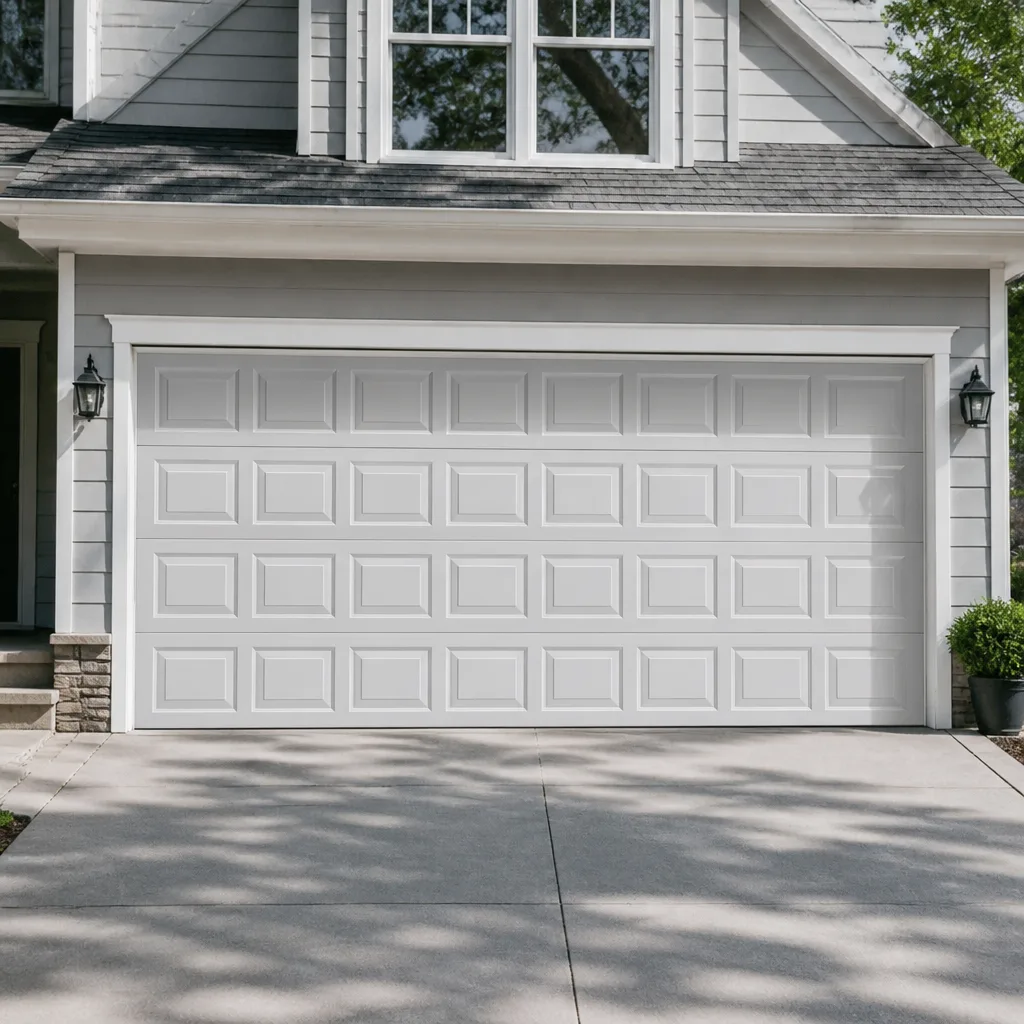 Raised-panel steel
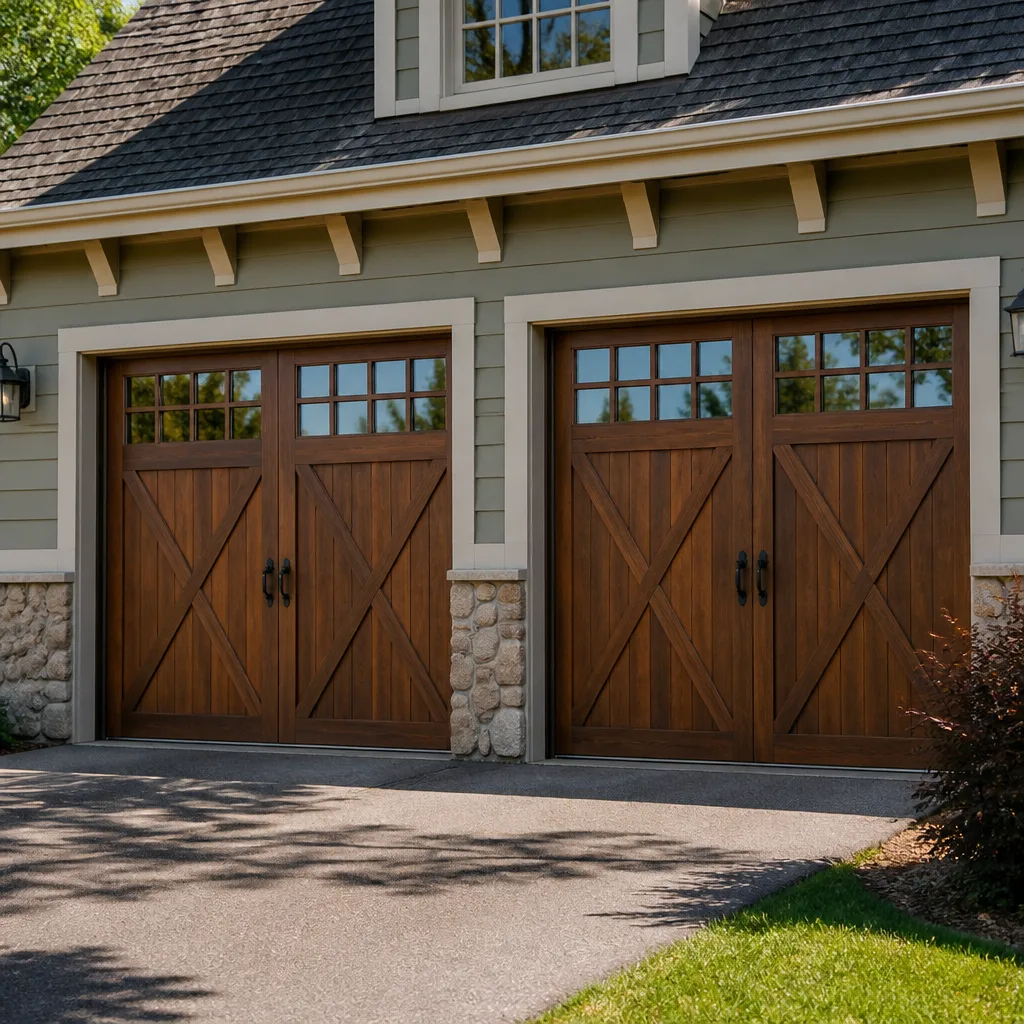 Carriage house
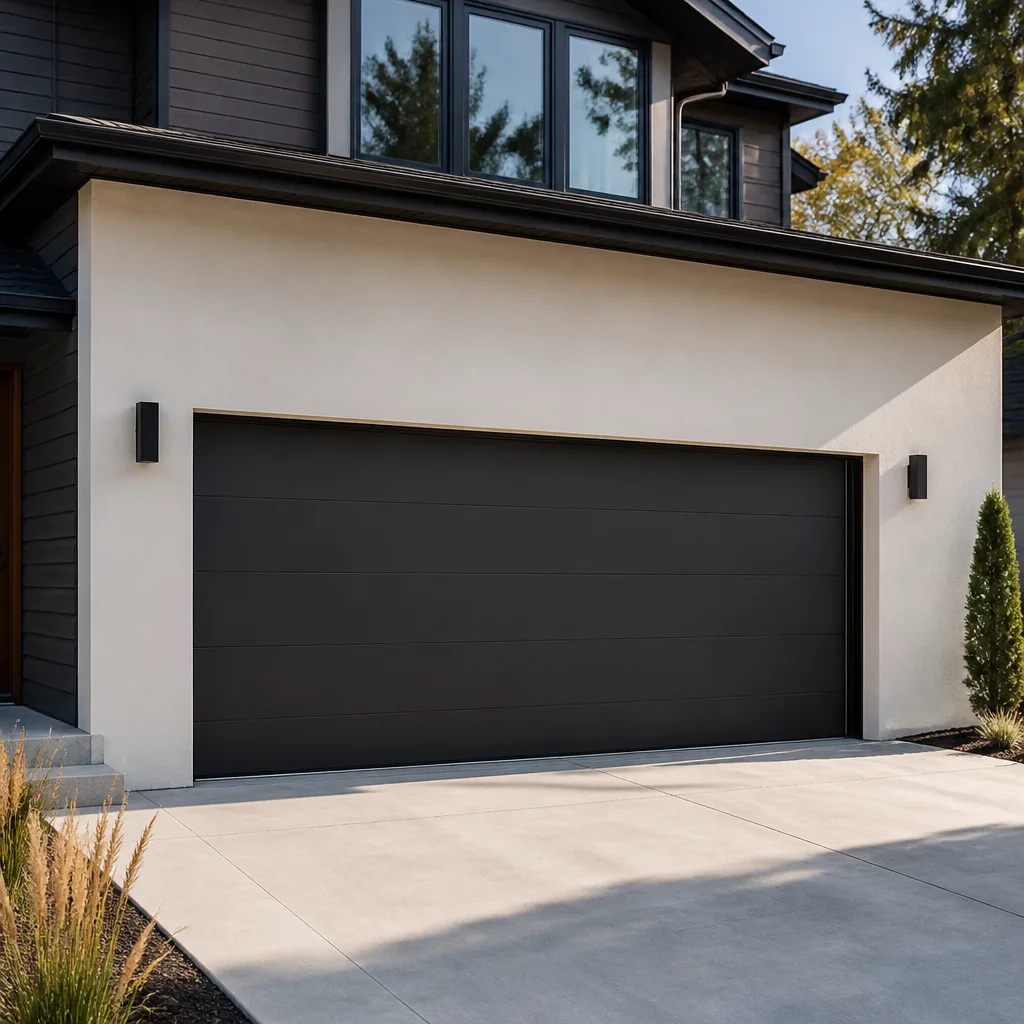 Modern flush
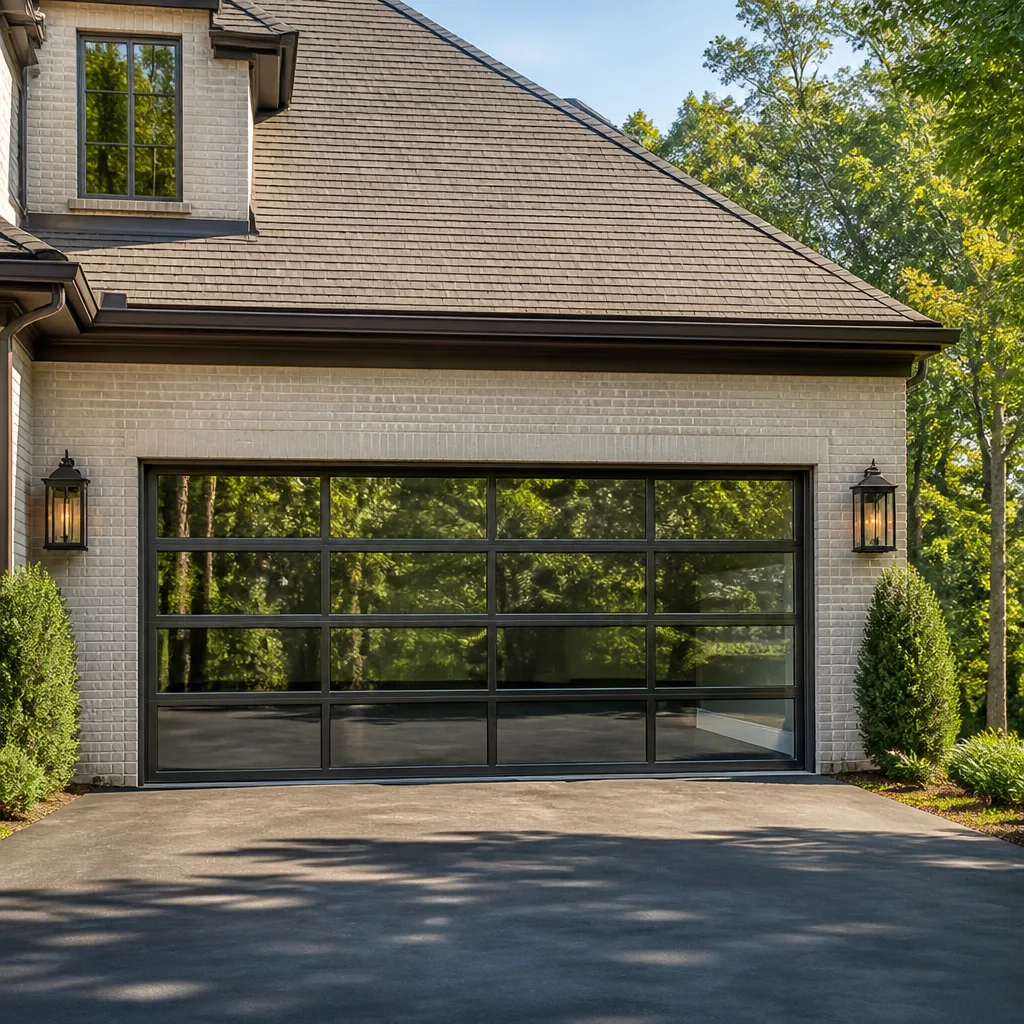 Full-view glass
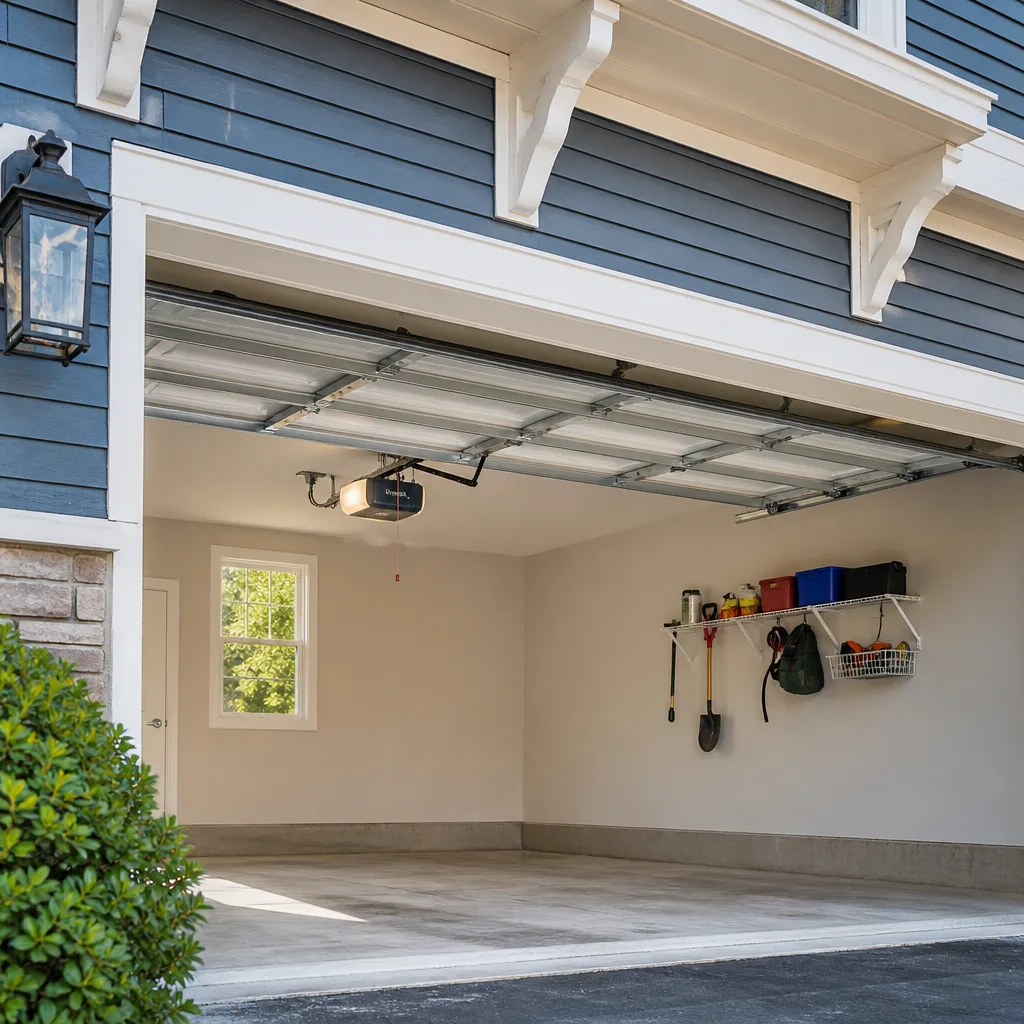 LiftMaster openers
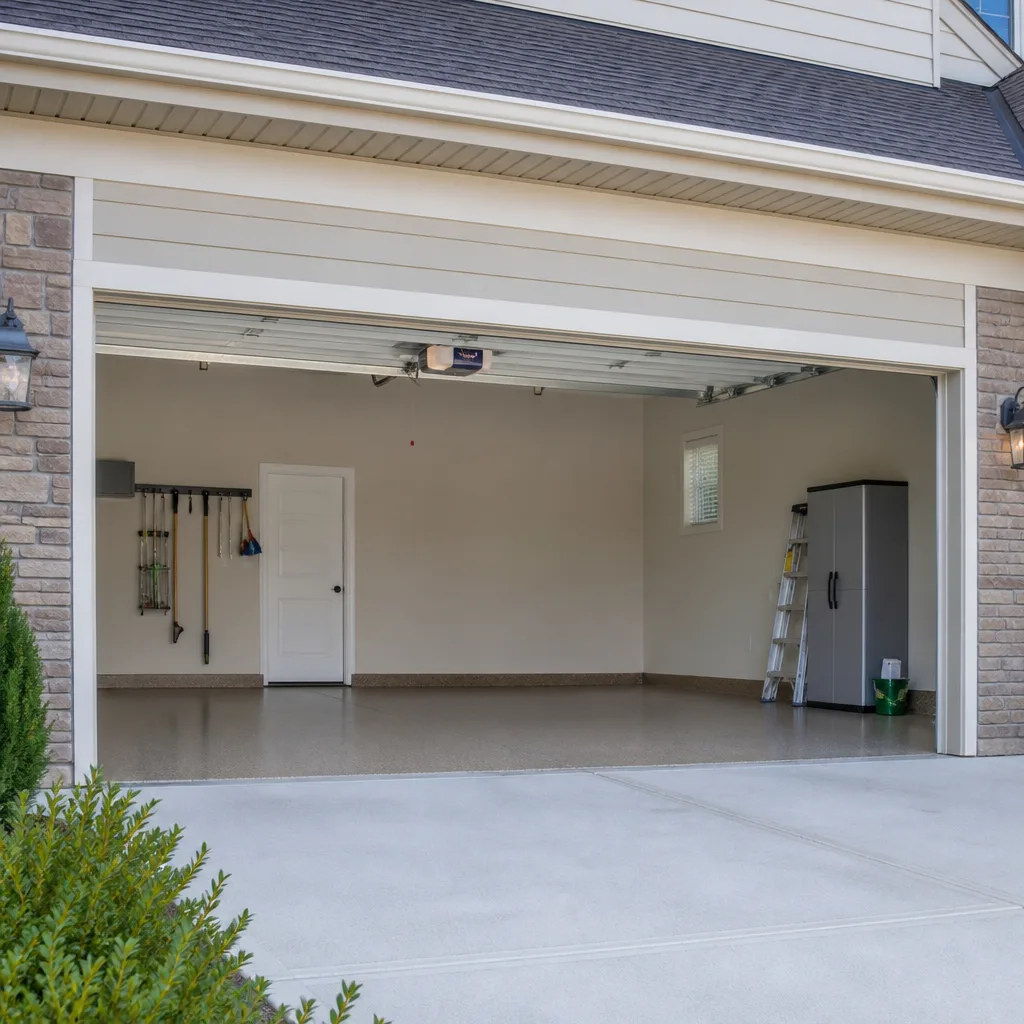 Chamberlain openers
Full 25-point door and opener safety check with every visit - springs, cables, rollers, tracks, and your LiftMaster or Chamberlain opener included
You get a price before we start. It does not change when the truck arrives.
Get your free estimateThe Complete Garage Door Repair Guide for Long Beach Homeowners
Most garage door guides are written for the Midwest. Long Beach homeowners are half a mile from the Pacific, and that changes everything about how hardware fails and how fast. A torsion spring that lasts 12 years in Ohio might snap in 7 here. A cable that would never rust in Arizona gives out in 5. This guide maps every common garage door repair to the specific conditions Long Beach homeowners actually face: salt air, humidity swings, and UV exposure that works on seals and panels year-round. For hands-on help, our Garage Door Repair services cover every issue discussed here. By the end, you’ll know which repairs need immediate attention, which can wait, what they cost locally, and when to get a professional involved.
Styles & brands we work with
Quick Answer
Garage door repair in Long Beach typically costs $120 to $450 depending on the failed component, with spring replacement ranging from $180 to $340 and opener repair from $150 to $300. Coastal conditions in Long Beach accelerate corrosion on springs, cables, and hardware, which means residents in zip codes like 90803 and 90815 often see part failures 2 to 4 years earlier than inland Southern California homes. Most repairs should be handled by a state-licensed technician, especially anything involving high-tension springs or cables.
Table of Contents
- How Salt Air Corrosion Accelerates Garage Door Failure in Long Beach
- The Most Common Garage Door Repairs Long Beach Homeowners Face
- Repair Priority Order: What’s Urgent vs. What Can Wait
- Brand-by-Brand Behavior in Long Beach’s Coastal Climate
- What Garage Door Repair Costs in Long Beach
- When Long Beach Requires a Permit for Garage Door Work
- Preventive Maintenance That Extends Door Life Near the Coast
- Common Mistakes to Avoid
How Salt Air Corrosion Accelerates Garage Door Failure in Long Beach
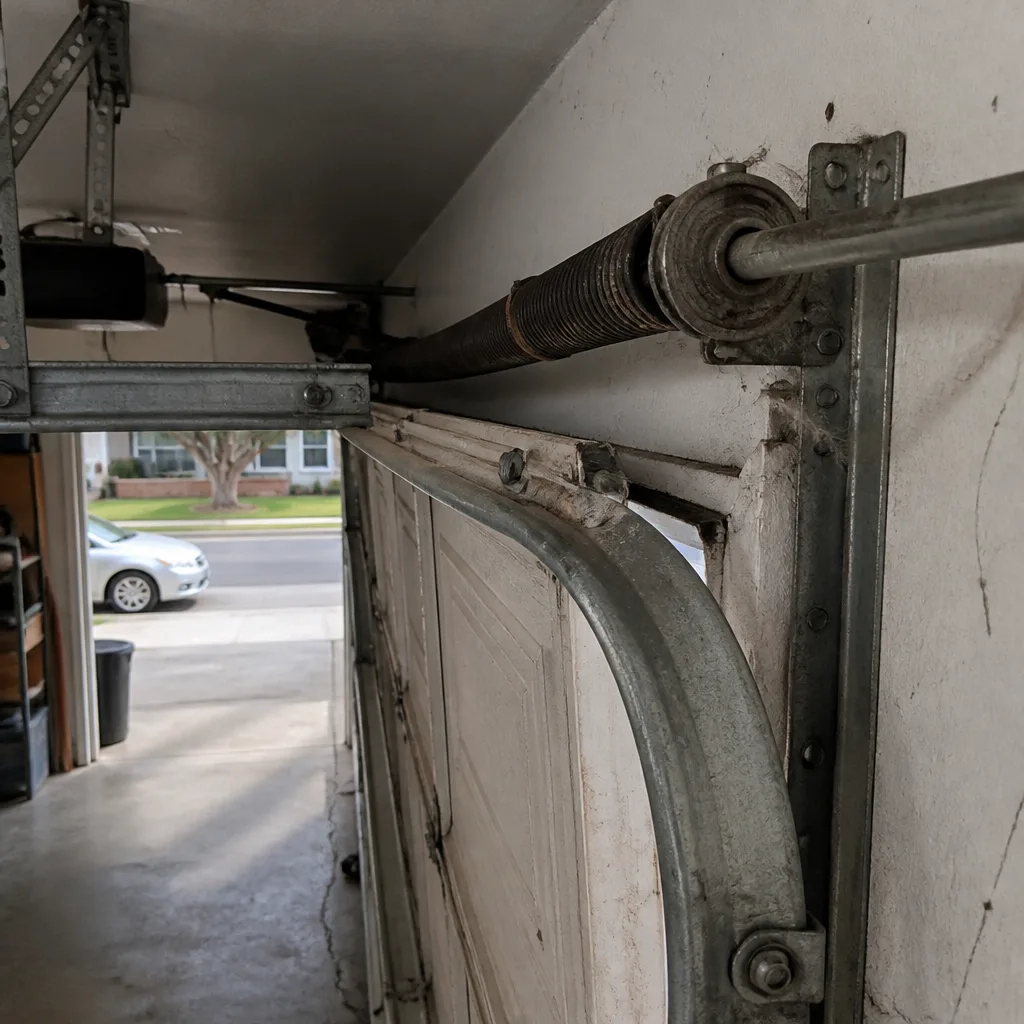
If you live within a mile or two of the water in Long Beach, the marine layer is doing more than keeping your mornings cool. It’s carrying microscopic salt particles that settle on every exposed metal surface of your garage door system. Springs, cables, hinges, rollers, and track hardware all develop a fine layer of salt residue that traps moisture and accelerates oxidation. In our experience, a set of standard galvanized springs that might last 10 to 12 years in Whittier or Downey will often fail in 6 to 8 years in Naples or Belmont Shore.
The mechanics are straightforward. Salt water is an electrolyte. When it sits on steel, it speeds up the electrochemical reaction that produces rust. The failure tends to show up first in the places where metal moves against metal: the coil turns where torsion springs wind and unwind, the cable loops at the bottom brackets, and the roller stems where they ride inside the track. These are all high-friction contact points, and corrosion weakens the metal precisely where stress is already concentrated.
What holds up better locally:
- Galvanized springs carry a zinc coating that provides sacrificial protection. The zinc corrodes before the steel, buying time. This is the minimum springs you want in a coastal Long Beach environment.
- Stainless steel cables resist the salt air far better than standard steel cables. If you’re replacing cables in a waterfront home in 90803, stainless is worth the modest premium.
- Coated hardware on hinges and brackets slows surface oxidation. The coating chips eventually, but it extends the service life by several years in salt-heavy areas.
The neighborhoods closest to the water see the most aggressive corrosion: Naples Island, Belmont Shore, Bluff Park, Alamitos Beach, and the homes along Ocean Boulevard. But the effect doesn’t stop at the waterfront. The prevailing onshore breeze carries salt inland for a mile or more, which means homes in Carroll Park, Rose Park, and even parts of Los Altos experience elevated corrosion rates compared to inland cities.
Maintenance matters more here than it does elsewhere. A light coat of lubricant on moving metal parts twice a year creates a barrier against salt accumulation. It’s cheap insurance, and it’s something many Long Beach homeowners skip until a spring gives out.
The Most Common Garage Door Repairs Long Beach Homeowners Face
After years of hands-on work with doors across Long Beach, these are the repairs we see most often, ranked by frequency. For a deeper dive into local conditions, see The Complete Guide to Garage Door in Long Beach. The coastal climate influences every one of them in some way.
1. Broken Torsion Springs
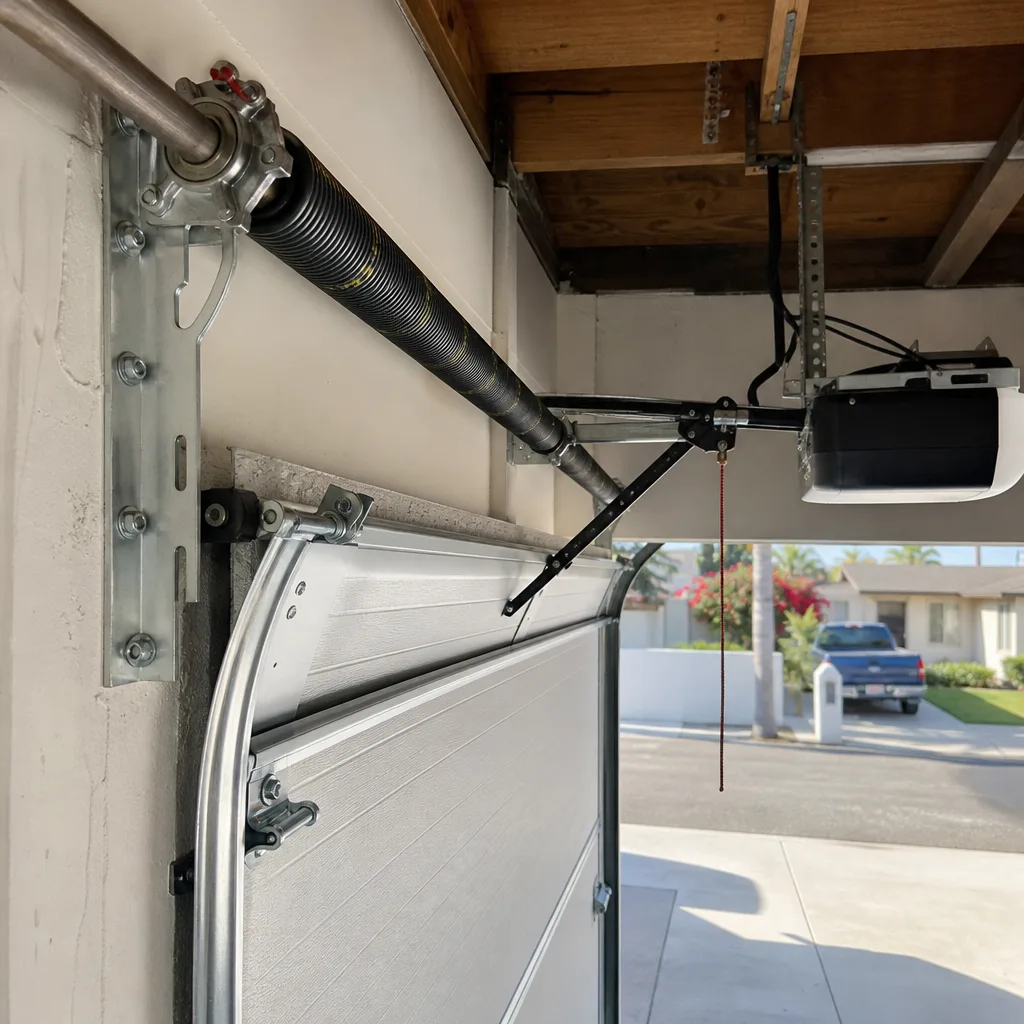
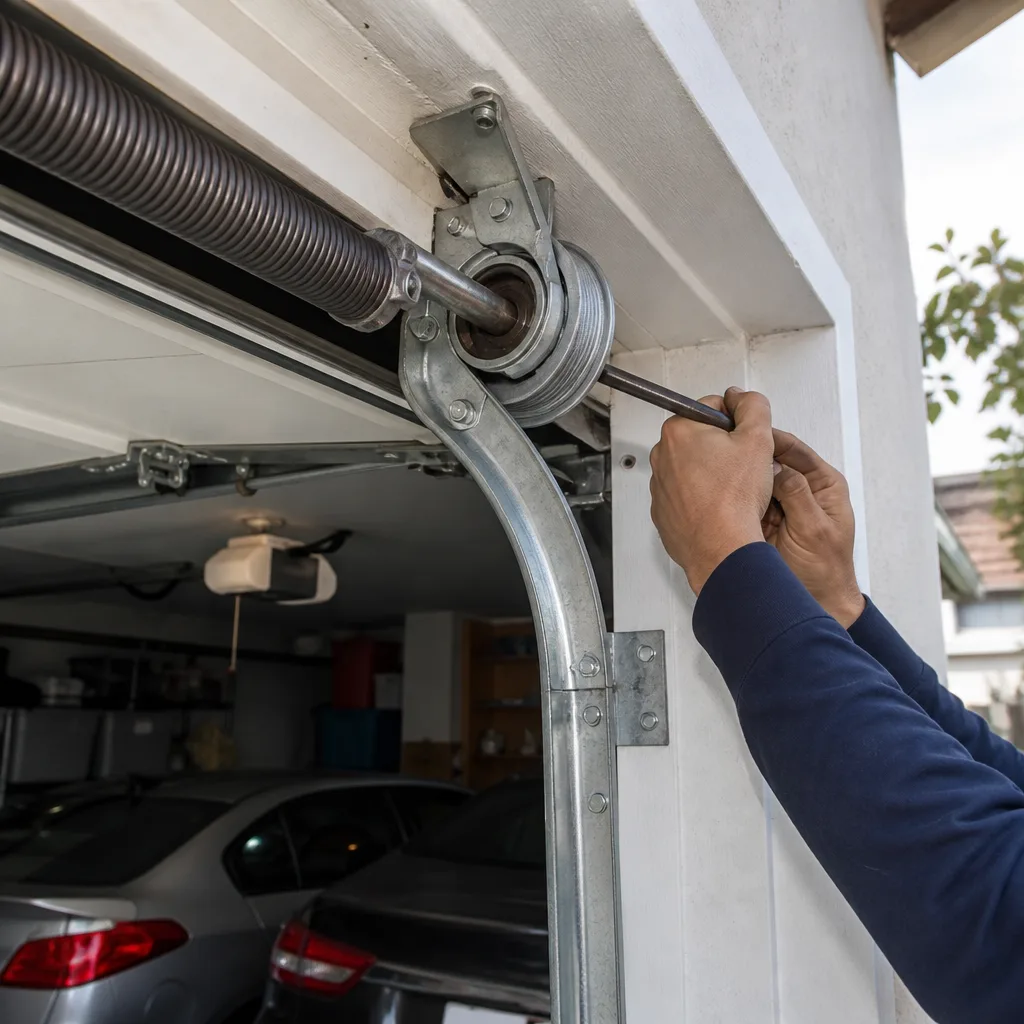
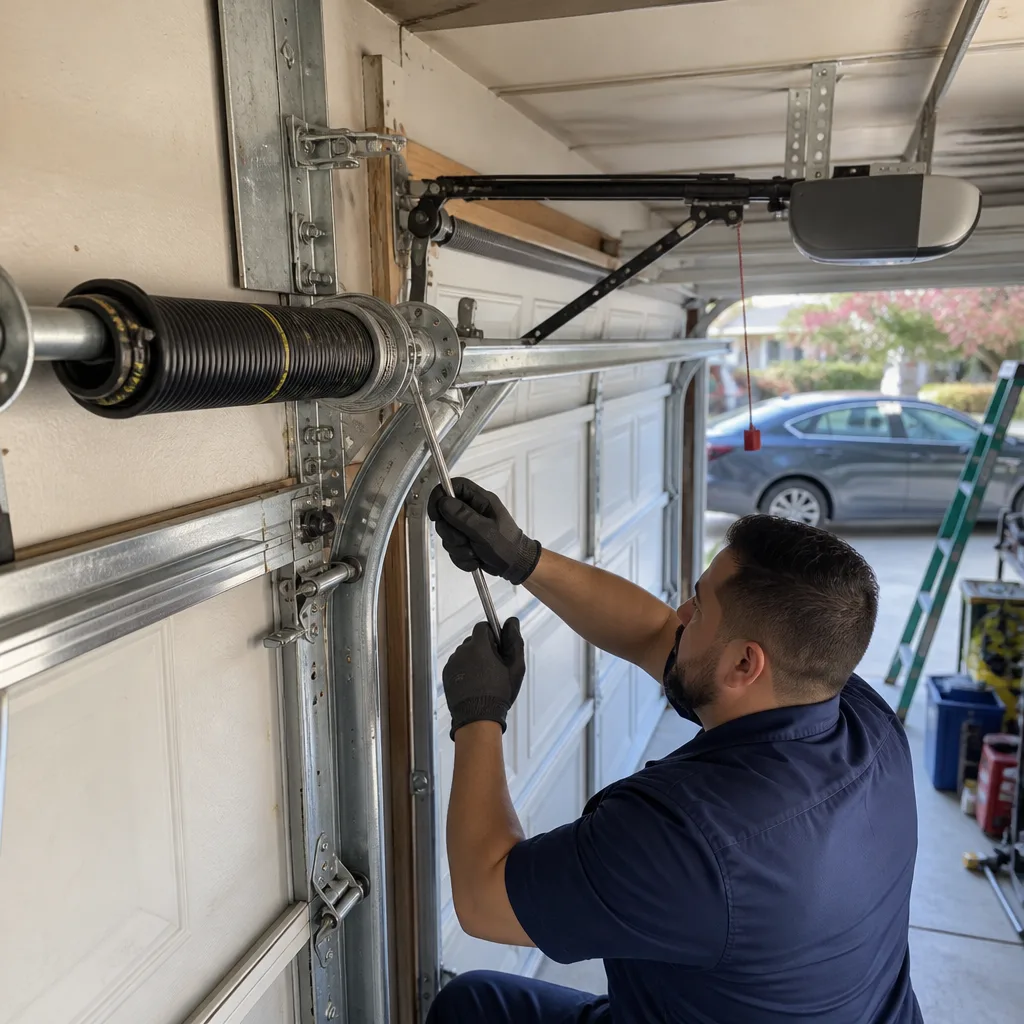
Torsion springs do the heavy lifting: they store the energy that lets a 150-pound door rise with two fingers of effort. They’re rated for a certain number of cycles (one open and one close), typically 10,000 cycles for standard springs. In Long Beach’s salt air, the spring coils corrode and weaken before they hit their rated cycle count. When a spring snaps, it sounds like a gunshot inside the garage. The door suddenly weighs its full weight, and if the opener tries to lift it, the motor strains or fails.
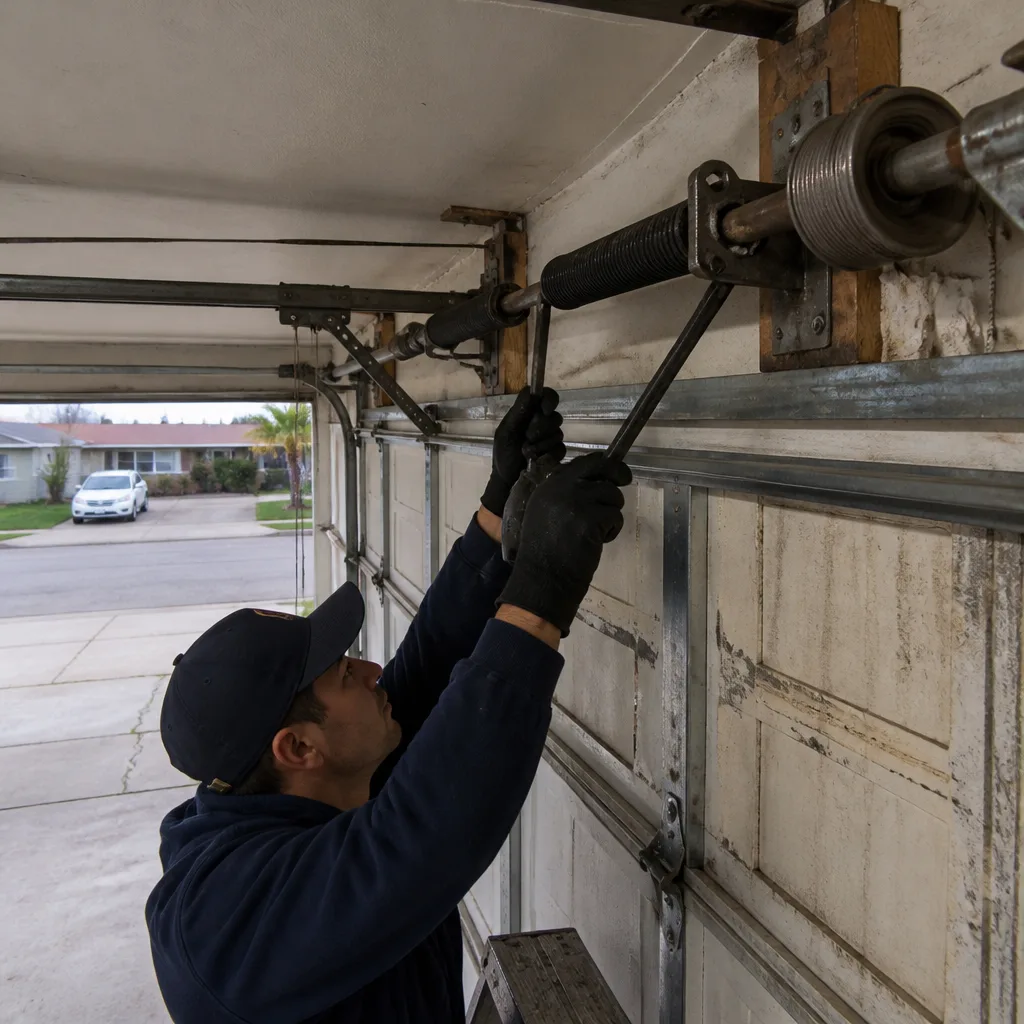
Safety note: torsion springs are under enormous tension. Attempting to remove or replace one without the proper winding bars and training can cause serious injury. This is a job for a trained professional, full stop.
2. Garage Door Opener Failure
Motorized openers fail in Long Beach for a mix of reasons: salt air degrading circuit board connections, gears wearing under the load of a door that’s no longer properly balanced, and the added strain on the drive mechanism when springs weaken. The most common symptom is a door that opens partway, reverses, or makes grinding noises. Opener repair is a distinct specialty, which is why garage door opener repair in Long Beach deserves its own category of attention rather than getting lumped in with generic door service.
3. Rusted or Frayed Lift Cables
The cables attached to the bottom brackets of the door bear the weight when the door is in motion. In Long Beach, the bottom brackets are especially vulnerable because they sit close to the ground, where moisture and salt accumulate. A frayed cable can snap while the door is moving, which sends the door off-balance and potentially off its track. If you see loose strands of wire protruding from a cable, replace it immediately.
4. Misaligned or Bent Tracks
Tracks can shift out of alignment from daily use, from a door that’s slightly unbalanced, or from an impact (a car bump, a kid’s bicycle). A misaligned track creates resistance, which makes the door noisy and eventually forces the rollers out of the track. Left unaddressed, it strains the opener motor, which shortens the opener’s life.
5. Worn or Broken Rollers
Nylon rollers last longer than steel in Long Beach’s salt air because they don’t corrode. But the roller stems are still steel, and they’re often the first component to show rust. Worn rollers make the door loud and jerky. Replacing them is a straightforward job for a technician and one of the most cost-effective repairs you can make.
6. Weather Seal Failure
The rubber seal along the bottom of the door and the vinyl trim around the frame degrade under Long Beach’s UV exposure. Once the seal cracks, salt-laden air and moisture get into the garage, which accelerates corrosion on everything else. Replacing weather seals is an inexpensive repair that protects the rest of the system.
Repair Priority Order: What’s Urgent vs. What Can Wait
Not every garage door issue needs same-day attention. Here’s a practical prioritization framework we use with Long Beach homeowners, based on safety risk and the likelihood of a smaller issue becoming a larger one.
- Broken spring, snapped cable, or door off its track: Same-day repair. The door is unsafe to operate, and if anyone in the household tries to lift it manually, it could fall. This is the highest safety risk.
- Opener failing or grinding: Within a few days. The opener is doing extra work and can burn out its motor, turning a $200 repair into a $450 replacement.
- Loud banging, shaking, or jerking during operation: Within a week. This usually means worn rollers, a loose hinge, or an unbalanced door. The problem compounds with continued use.
- Weather seal cracking or peeling: Within a few weeks. The lag time won’t cause catastrophic failure, but the longer the seal is compromised, the more salt air gets into your garage and corrodes the rest of the hardware.
- Cosmetic rust or minor surface wear: Schedule at your convenience. Some surface corrosion is inevitable in Long Beach and doesn’t affect the door’s function. Address it when you’re doing other maintenance.
The most important takeaway: when a spring or cable fails, stop using the door immediately. The garage door is the heaviest moving object in your home, and in the aftermath of a spring failure, it’s a hazard.
Brand-by-Brand Behavior in Long Beach’s Coastal Climate
Different brands and models handle coastal Long Beach conditions differently. We’ve worked on enough doors across the area to recognize the patterns. This is where brand-agnostic expertise matters.
Clopay Doors in Long Beach
Clopay is one of the most common builders in the Long Beach market, installed in many of the newer developments and remodels across the city. Their steel doors hold up reasonably well against the salt air when the factory finish stays intact, but that finish gets scratched or chipped over time, and that’s where the corrosion begins. Clopay’s higher-end models with rust-resistant hardware packages are a better fit for coastal zip codes. Their wood and faux-wood composite doors (the Reserve and Canyon Ridge lines) experience swelling during Long Beach’s humid periods, which changes the door’s weight and balance and requires periodic adjustment.
Amarr Doors in Long Beach
Amarr steel doors carry a polyester finish that’s more UV-resistant than some competing brands, which matters in Long Beach because the sun works on the south-facing and west-facing doors all summer. However, Amarr’s standard torsion spring setup is the same galvanized steel as most competitors, so the spring life in coastal Long Beach still falls short of what the same spring would achieve inland. Amarr’s Classica and Heritage models with their rust-resistant components handle the marine environment better than the entry-level models. When an Amarr door in Naples or Belmont Shore starts rusting, it’s usually at the panel edges and the bottom bracket area.
Wayne Dalton Doors in Long Beach
Wayne Dalton’s Torquemaster spring system is distinctive: the springs are enclosed in a tube rather than exposed on a shaft. That enclosure gives the springs modest protection from floating salt particles, but the system is trickier to service than standard torsion springs, and many generic technicians misdiagnose Torquemaster problems. Their wood and fiberglass doors are also common in older Long Beach homes, and fiberglass holds up surprisingly well in the coastal climate because it doesn’t corrode or swell the way wood does. The downside is that fiberglass panels fade and become brittle with prolonged UV exposure.
Craftsman and Raynor Systems
Craftsman openers have been sold through Sears for decades, which means there’s a huge installed base in the older homes throughout Long Beach: Bixby Knolls, California Heights, and the postwar neighborhoods. Those older chain-drive units are loud and less durable than modern belt drives, but they’re also simple to repair. Raynor doors are less common in Long Beach than in the Midwest, but we see them in some higher-end custom homes. Their steel construction is solid, and the same salt-air corrosion rules apply: the hardware fails before the panels do.
We service all of these brands, plus LiftMaster, Chamberlain, and Genie. The point we want to make is that the diagnosis depends on knowing the brand’s failure patterns, not just recognizing that something broke. Our technicians at Blackstone Garage Door Repair home arrive already knowing the quirks of your specific door system.
What Garage Door Repair Costs in Long Beach
Pricing for garage door repair in Long Beach runs slightly higher than the inland Southern California average, driven by two factors: the accelerated wear that requires more frequent service, and the cost of corrosion-resistant parts that coastal homes should be using. Here’s what you should expect to pay for common repairs, as of the current market.
Cost Ranges for Repairs
- Spring replacement (single torsion spring): $180 to $280
- Spring replacement (dual torsion springs): $280 to $450. We recommend doing both at once even if only one failed. They’ve both cycled the same number of times, and the second one is likely close behind.
- Cable replacement (both cables): $150 to $280
- Roller replacement (set of 10 to 12, nylon): $120 to $200
- Track realignment: $100 to $200
- Opener repair (gears, circuit board, or drive replacement): $150 to $350
- Weather seal replacement: $80 to $180
- Full garage door installation in Long Beach: $1,200 to $3,500 depending on size, material, and insulation
These prices assume standard residential doors. Custom doors, oversized doors, or doors requiring rust-resistant upgrades will be higher. Any reputable company quotes the final price before work begins. We make sure every customer knows the full cost before we turn a wrench, even if the job turns out to be more complex than the initial diagnosis.
When Long Beach Requires a Permit for Garage Door Work
This is a question most generic garage door guides never address, but it’s a legitimate concern for Long Beach homeowners. The short answer: most repairs do not require a permit, but full installations sometimes do.
Under the City of Long Beach municipal code, replacing a garage door in the exact same opening, with the same dimensions and configuration, may not require a permit in many cases. However, the determination depends on the specifics of the work. Here’s the breakdown we give homeowners when they ask:
- Repair of an existing door (springs, cables, rollers, track, opener): No permit needed. This is maintenance on an existing fixture.
- Replacing a garage door with a new door of the same size and configuration: Generally no permit for the door itself, but if the new door requires modifying the opening, reinforcing the framing, or changing the header, a permit enters the picture.
- Installing a new garage door where none existed: This requires a permit, including structural review of the opening and compliance with fire-rating requirements if the garage is attached to the home.
- Upgrading to a new electrical circuit for an opener: If your opener needs a new dedicated circuit, or the old unit predates current GFCI requirements for garages, the electrical work may require a separate permit.
In practice, the best approach is to ask the company doing the work whether your specific job needs a permit. A legitimate Long Beach garage door company will know the current code and will tell you straight. We handle permit coordination for installation jobs that require it, so you don’t have to navigate the process alone.
Preventive Maintenance That Extends Door Life Near the Coast
Maintenance goes further in Long Beach than it does inland because you’re fighting an active source of degradation. Here’s the schedule we recommend, with the reasoning behind each item.
Twice a Year: Lubrication and Inspection
- Lubricate the torsion springs, hinges, and rollers with a lithium-based or silicone spray. The lubricant creates a moisture barrier that reduces salt accumulation on moving parts. Don’t use WD-40; it displaces moisture but doesn’t provide lasting lubrication.
- Inspect the lift cables for fraying or rust. Pay attention to the bottom brackets and the cable loops. This is the most likely failure point in the Long Beach climate.
- Test the door’s balance. Pull the emergency release handle while the door is closed, then lift the door manually to the halfway point. If it stays roughly in place, the springs are balanced. If it drops, the springs are weakening. Call a professional before it becomes an emergency.
- Check the auto-reverse safety feature. Place a piece of wood or a rolled towel under the door and close it. The door should reverse within a second of contact. This is a safety feature required by federal law since 1993, and it’s worth testing regularly.
Once a Year: Deeper Coastal-Specific Attention
- Wash the door exterior with mild soap and water. This removes accumulated salt film from the panels and helps prevent paint and finish breakdown. This is more important in Long Beach than in most of the country.
- Inspect the weather seals. The bottom seal and perimeter trim dry out and crack in the sun. Catching damage early keeps moisture and salt out of the garage, which protects everything inside.
- Check for rust on the track, hinges, and brackets. Light surface rust can be cleaned and treated. Structural rust means replacement. The sooner you catch it, the smaller the bill.
- Listen to the door run. A properly maintained door is quiet. Grinding, squealing, or banging means something’s wearing. The fix is always cheaper before the part fails.
These tasks take 30 to 45 minutes twice a year. They won’t eliminate the effects of Long Beach’s salt air, but they’ll add years to every component of the door system.
Common Mistakes to Avoid
- Continuing to use a door with a broken spring. The opener might still lift it, but it’s straining the motor and working against an unsafe load. Stop using the door, disconnect the opener, and call a professional.
- Replacing only one spring when two are worn. Both springs degrade at the same rate. Replacing one saves money today, but the other will fail soon and you’ll pay another service call fee. It’s cheaper to replace both at once.
- Using WD-40 as a garage door lubricant. WD-40 is a solvent, not a lasting lubricant. Within weeks the moving parts are dry again, and you’ve actually stripped whatever lubricant was there before. Use a lithium or silicone spray made for garage doors.
- Ignoring a frayed cable because the door still works. A frayed cable looks like a minor issue right up until it snaps, and a snapped cable sends the door off-balance and potentially off its track. If you see loose steel strands, the cable needs replacement now.
- Skipping weather seal replacement because it seems cosmetic. The weather seal is the first line of defense against moisture and salt intrusion into the garage. In Long Beach, a failed seal accelerates corrosion across every other mechanical component.
- Attempting DIY spring or cable replacement. The tools are available online, and the tutorial videos make it look manageable. It’s not worth the risk. Torsion springs are under enough tension to cause serious injury. Always call a professional for these two specific repairs.
- Choosing the cheapest quote without checking brand expertise. A technician who shows up without knowing whether you have a standard torsion setup or a Wayne Dalton Torquemaster system is guessing. The right fix depends on the specific system.
When to Call a Professional
A broken torsion spring, a snapped cable, a door that’s come off its tracks, or an opener that’s grinding and struggling against the load: these are all professional jobs, and each one carries a genuine risk of injury to a homeowner who attempts the repair without proper training and tools. If you’re weighing whether to DIY, read our DIY vs Professional Garage Door: The Long Beach Homeowner’s Decision Guide. Springs and cables are under enough tension to break bones. If your door is behaving unpredictably, don’t run it and don’t try to force it. The heavy moving parts deserve respect. At Blackstone Garage Door Repair, we provide free estimates for any repair in Long Beach, so you’ll know exactly what the fix costs before you commit to anything. Call (866) 477-5637 and we’ll talk through what you’re seeing.
Frequently Asked Questions
Spring replacement in Long Beach typically runs $180 to $450, with a dual-spring setup at the higher end. The coastal environment shortens spring life, so expect to replace springs more frequently than inland homeowners. Call (866) 477-5637 for an exact quote, and we’ll confirm the price before any work begins.
In most cases, yes. Broken springs, cables, and opener failures are commonly completed the same day you call, assuming parts are in stock. We carry parts for all the major brands, including Amarr, Wayne Dalton, Clopay, and Craftsman, so we rarely need to order and return.
Salt air accelerates corrosion on springs, cables, and hardware, which means Long Beach garage door components typically fail 2 to 4 years earlier than the same parts installed inland. The effect is strongest in waterfront neighborhoods like Naples, Belmont Shore, and Bluff Park, and decreases gradually further inland.
In most cases, replacing a garage door in the same opening doesn’t require a permit. However, if the new door requires structural modification or the installation is brand-new, a permit may be necessary. We’ll tell you upfront whether your specific job requires one.
Standard torsion springs are exposed on a metal shaft, while the Torquemaster system encloses the springs in a tube above the door. The Torquemaster requires different tools and procedures to service, and many technicians misdiagnose it. We work on both systems regularly.
If the door is over 15 years old, the springs have been replaced once already, and the panels show significant rust or warping, replacement often makes more sense than repeated repairs. A new door with corrosion-resistant hardware will hold up better in Long Beach’s coastal climate, which reduces maintenance costs over time.
The Bottom Line
Long Beach’s coastal location means your garage door fights a constant battle against salt air, UV, and humidity. The failure patterns are predictable, and the solutions are specific: corrosion-resistant parts, scheduled maintenance, and brand-aware diagnostics. Springs fail sooner here. Cables rust faster. Weather seals crack earlier. Knowing what to look for and when to act saves money and keeps your home safe. Whether you need a spring replacement, garage door repair in Long Beach of any kind, opener work, or a full new installation, one call covers it. Reach us at (866) 477-5637.
Written by the team at Blackstone Garage Door Repair, serving Long Beach since 2012.
See the difference
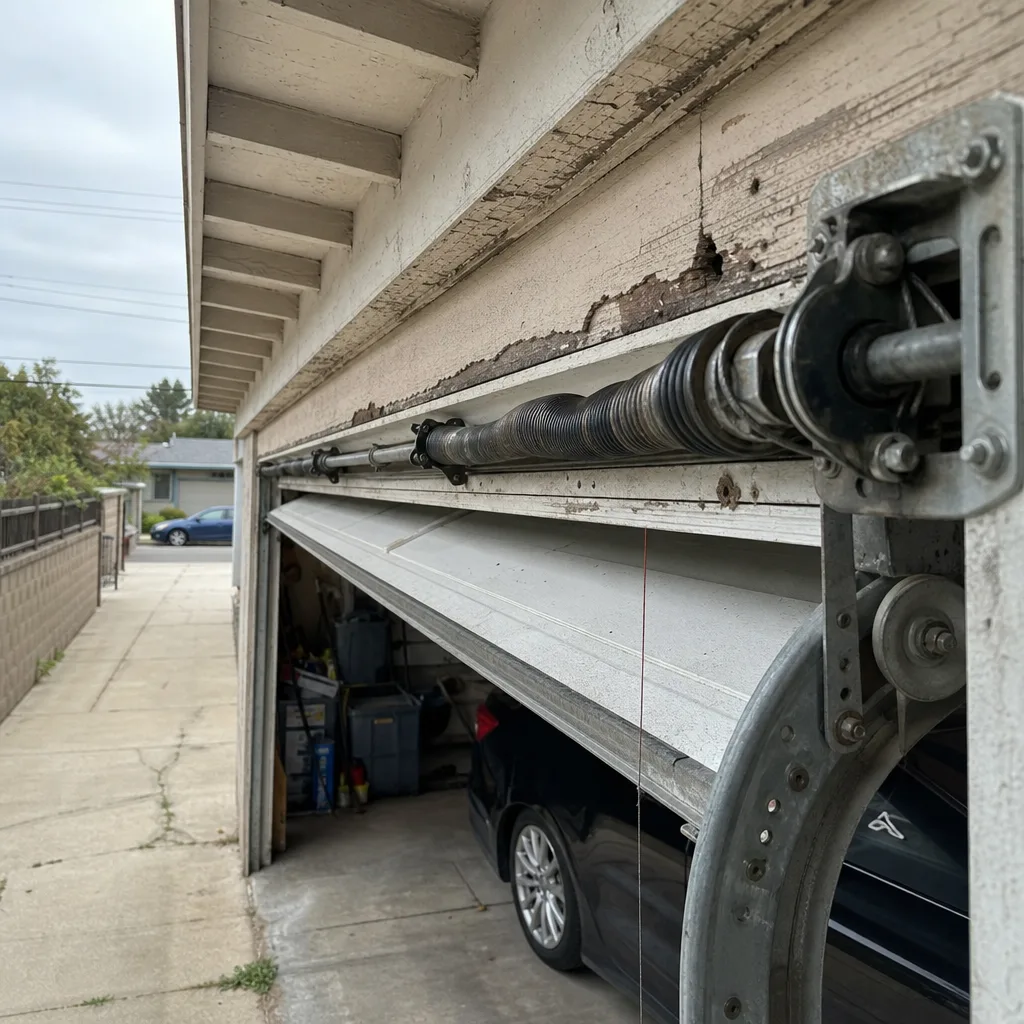 Before
 After
 Before
 After
 Before
 After