Last updated October 30, 2026
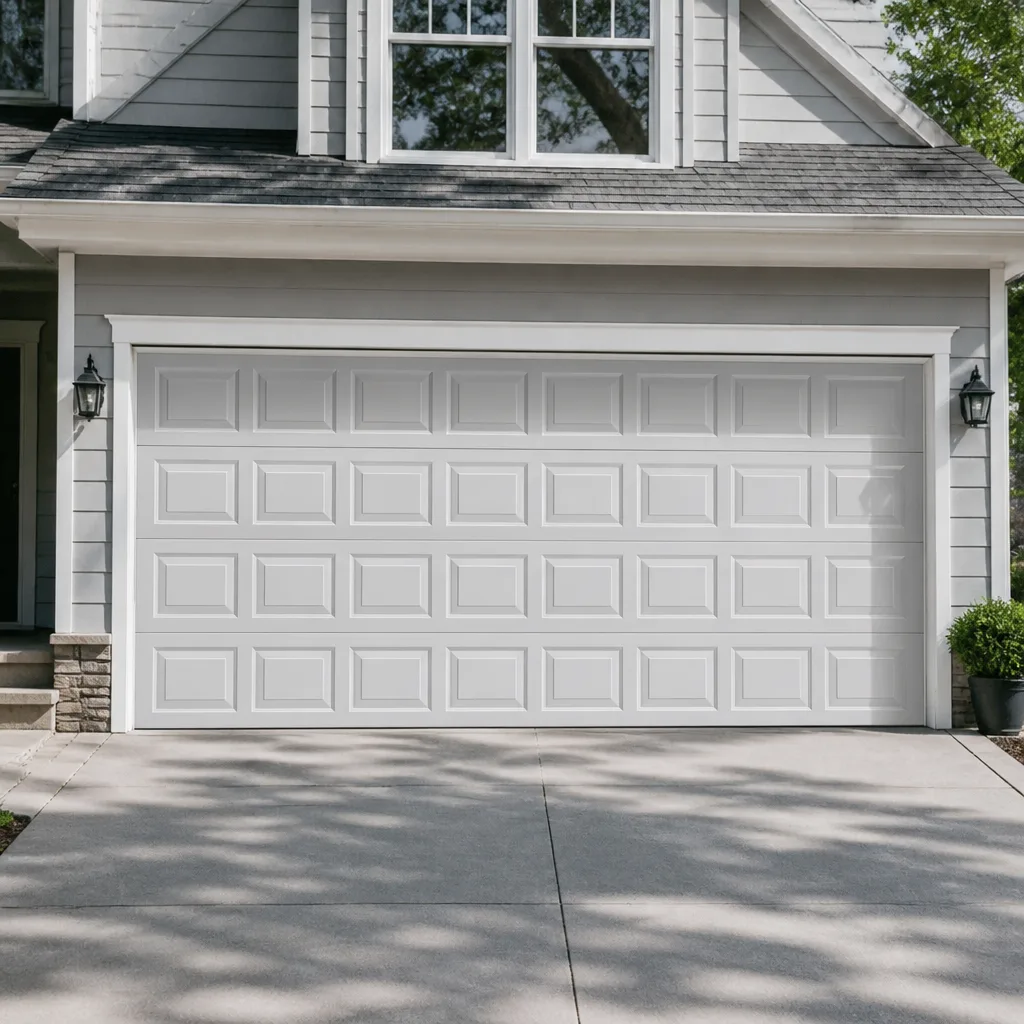 Raised-panel steel
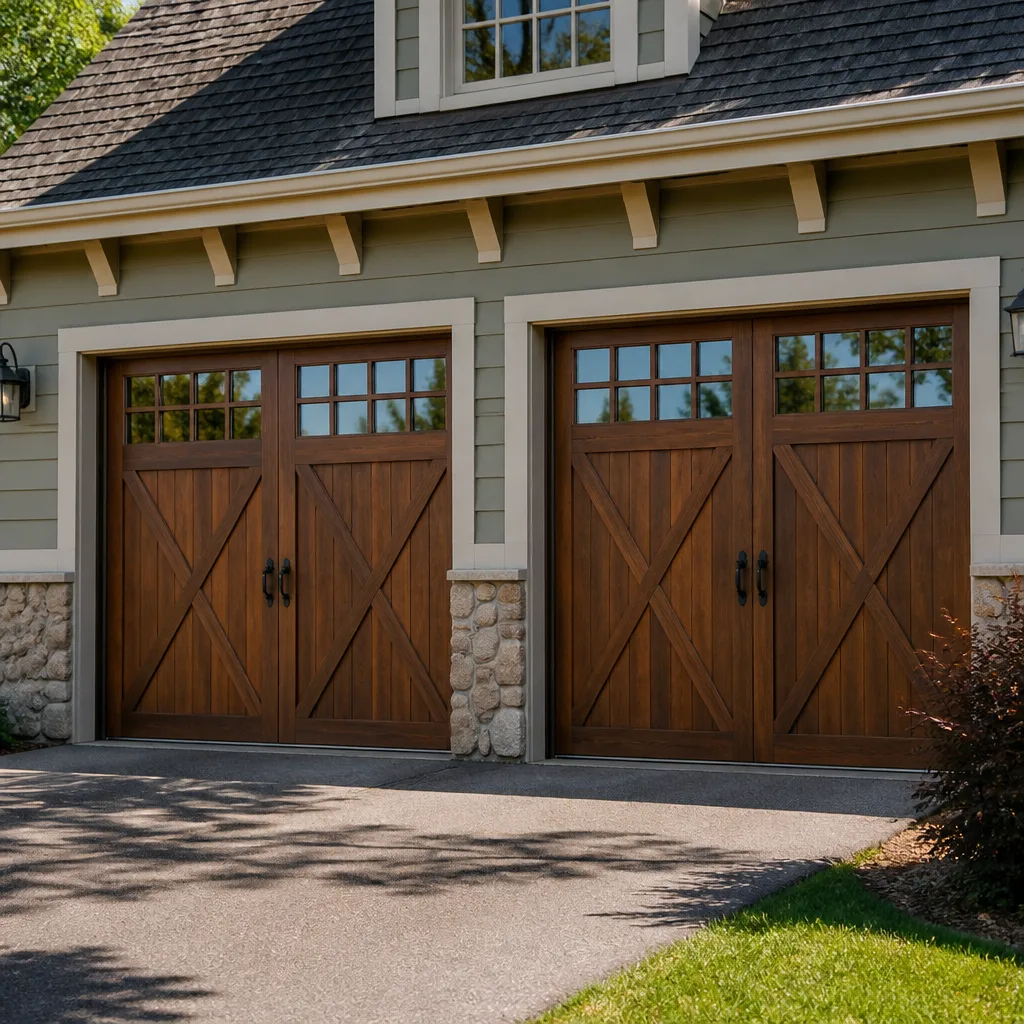 Carriage house
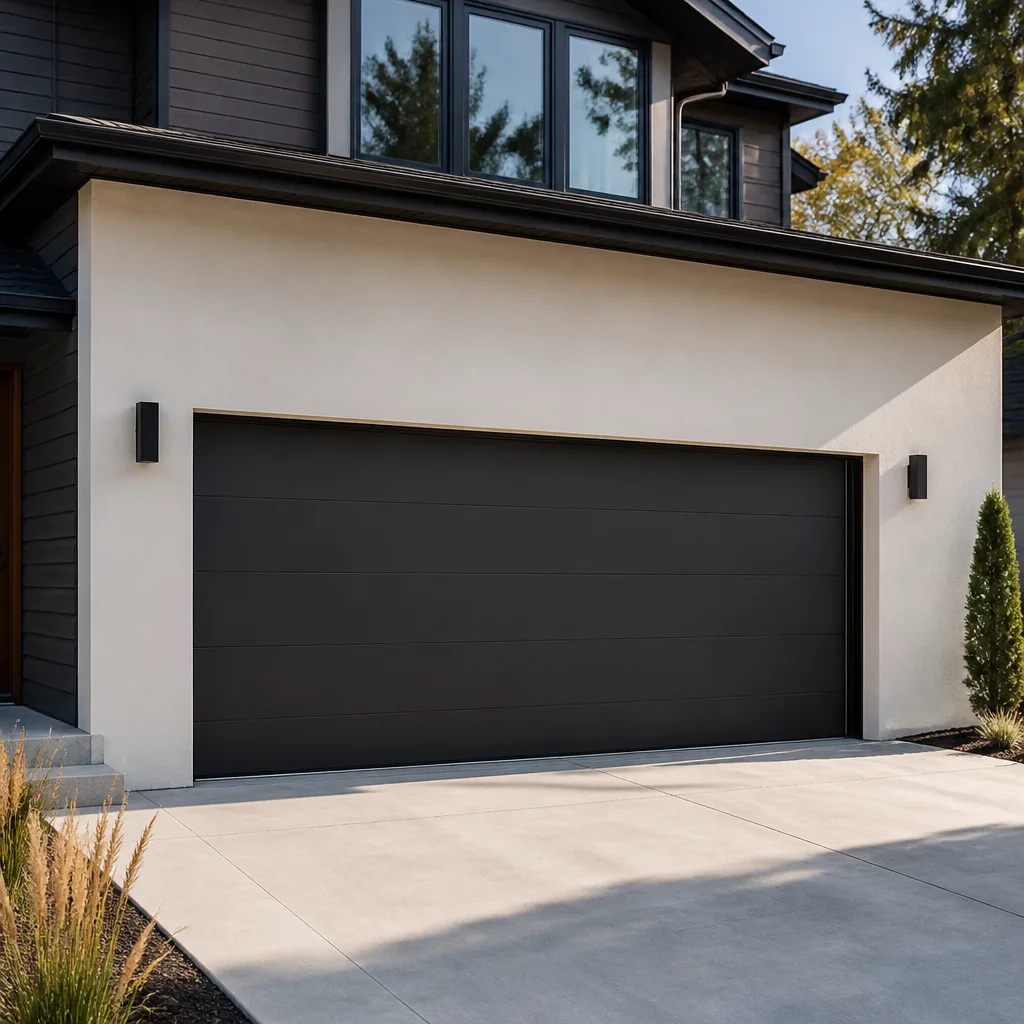 Modern flush
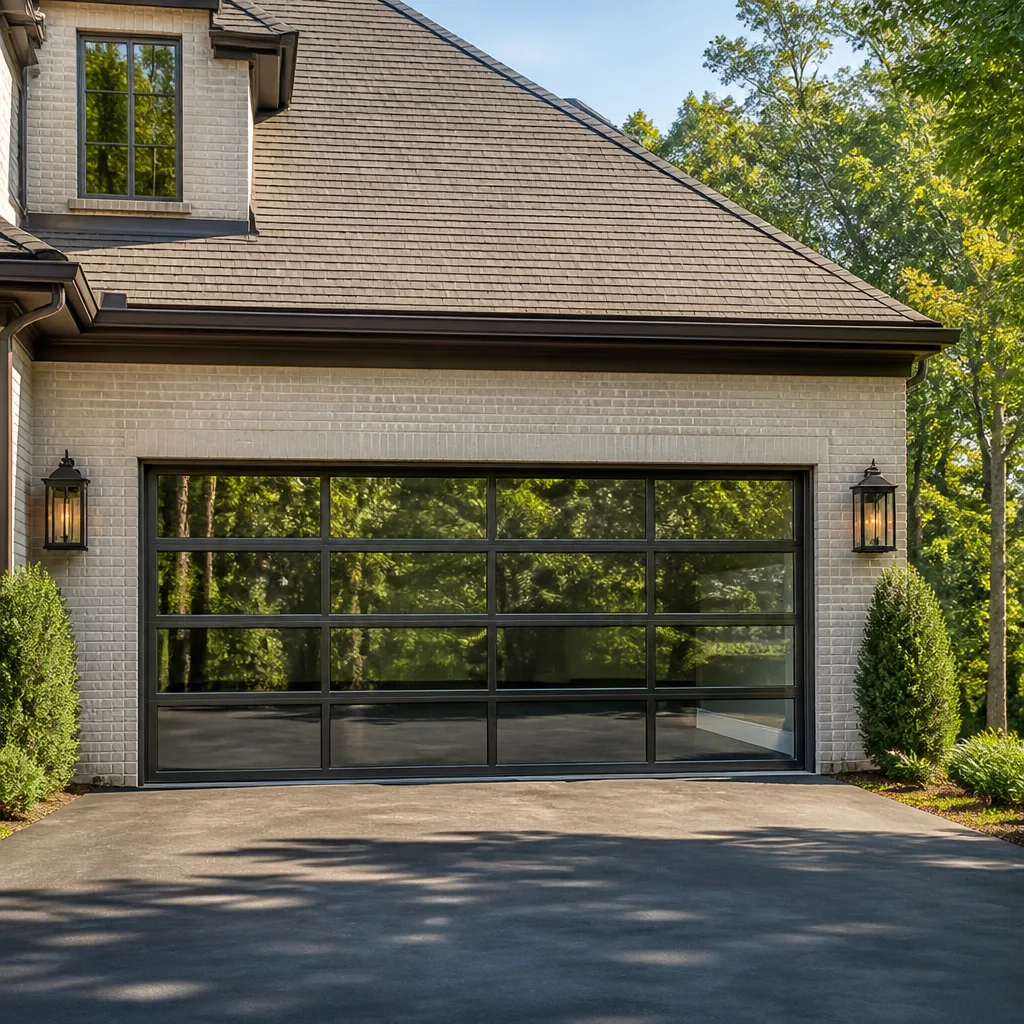 Full-view glass
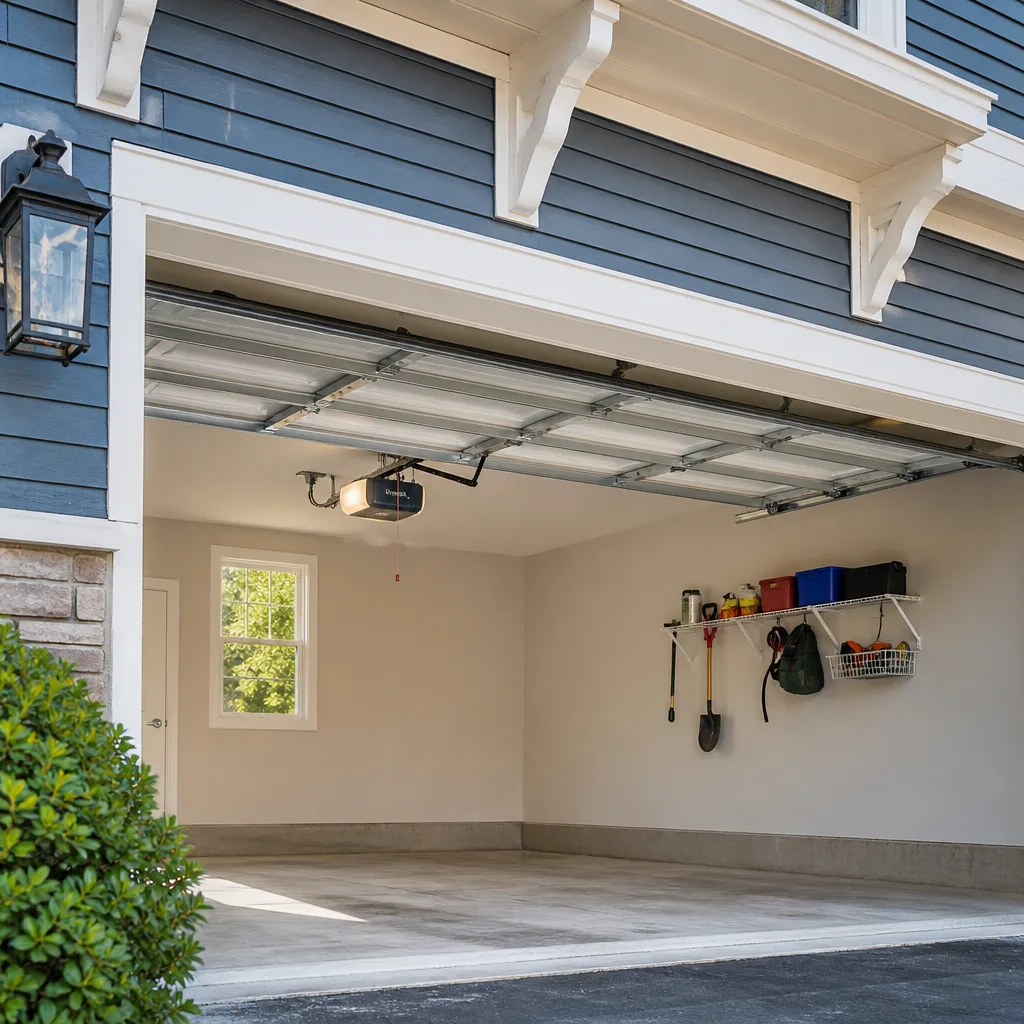 LiftMaster openers
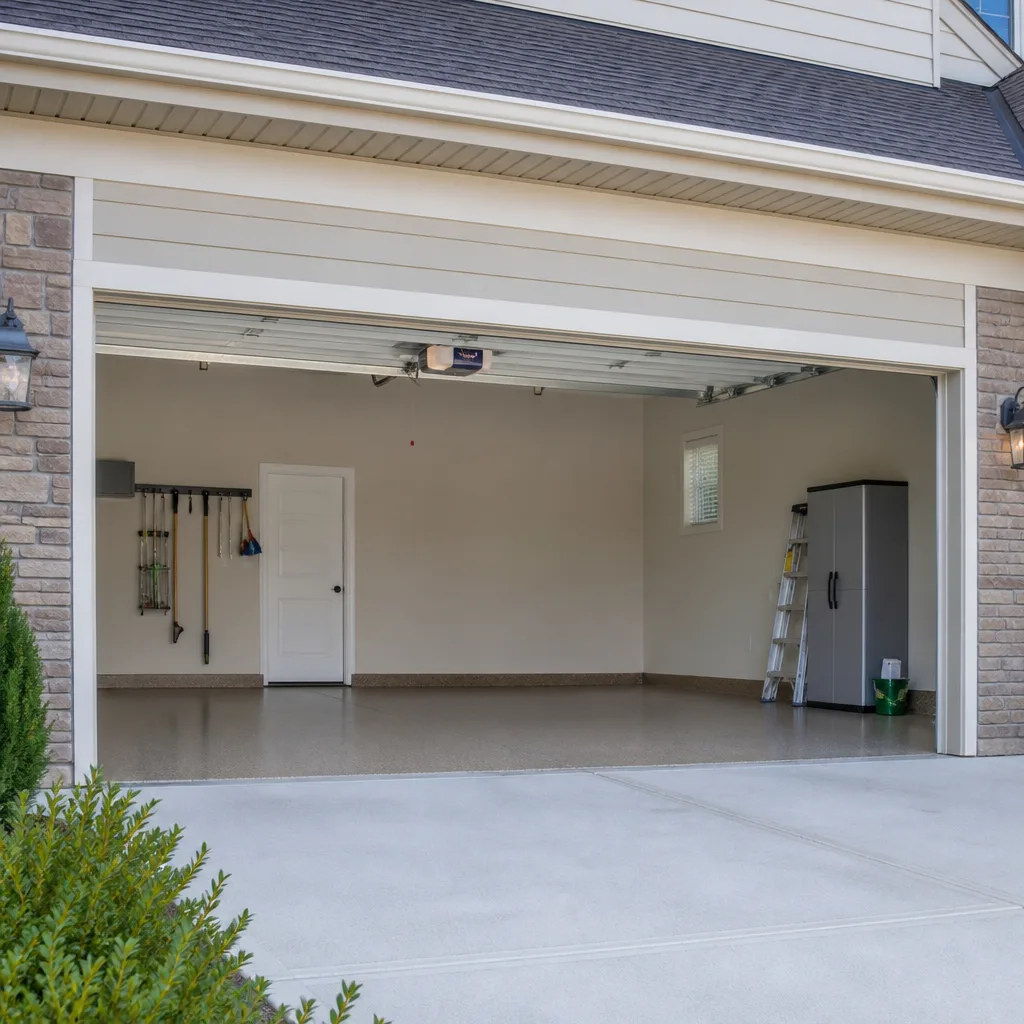 Chamberlain openers
Full 25-point door and opener safety check with every visit - springs, cables, rollers, tracks, and your LiftMaster or Chamberlain opener included
You get a price before we start. It does not change when the truck arrives.
Get your free estimateChoosing the Right Garage Door Brand: A Buyer’s Guide for Long Beach
Here’s something most Long Beach homeowners don’t realize until it’s too late: the “best” garage door brand on a showroom floor means very little if the only technician who knows how to service it works for a dealership that closes its doors in two years. Some premium brands with impressive name recognition are distributed through exclusive dealer networks in Long Beach. If that dealer disappears, or refuses to service the door after the warranty expires, you’re left with hardware that most independent technicians have never touched. This guide covers what actually matters when choosing a garage door brand in Long Beach: coastal-grade materials, local service density, and the difference between a warranty that protects you and one that just looks good on paper. For a deeper dive, see The Complete Guide to Garage Door in Long Beach.
Quick Answer
The best garage door brand for a Long Beach home is the one built with galvanized steel components and supported by a dense network of independent local technicians, not the one with the flashiest showroom display. Mid-tier brands using galvanized steel typically outperform premium brands using basic steel within five years of salt-air exposure. Before you buy, verify that at least three independent Long Beach repair companies can service the brand you’re considering.
Styles & brands we work with
Table of Contents
- Material First: Why Coastal Long Beach Demands Galvanized Steel
- Service Network Density: The Spec Nobody Puts on a Brochure
- Brand Warranty vs. Installation Warranty: Which One Actually Protects You
- Technician Familiarity by Brand: What We See in the Long Beach Market
- Questions to Ask Before You Sign: Using a Brand-Agnostic Technician as a Resource
- Do You Need to Match Your Opener Brand to Your Door Brand?
- How Long Beach’s Climate Accelerates Door Aging (And What to Buy Because of It)
- Cost Reality Check: What Long Beach Homeowners Actually Pay
Material First: Why Coastal Long Beach Demands Galvanized Steel
Long Beach sits close enough to the Pacific that salt in the air becomes a daily factor for any exterior metal on your home. We see this constantly: garage doors that look fine from the street but have rust working through the bottom panels and hardware from the inside out. The galvanization, not the brand logo, is what determines how many years you get before that rust shows up.
A door made from basic, non-galvanized steel will begin showing oxidation within three to five years in Long Beach neighborhoods west of Cherry Avenue, where the ocean breeze is strongest. Homes in Belmont Shore, Naples, and the Peninsula see it even faster. The same panel in galvanized steel, regardless of what brand name is stamped on it, routinely lasts twelve to fifteen years before any visible corrosion appears.
Here’s the sequence we recommend for Long Beach homeowners:
- Start with material specification. Ask whether the steel panels, hinges, rollers, and track are galvanized. If the salesperson cannot answer, walk away.
- Check the gauge. 24-gauge is standard. 25-gauge is thinner and dents more easily. 26-gauge is commercial-grade and rarely used in residential, but exists on some premium models.
- Look at the hardware. Even galvanized panels get undermined by cheap rollers and uncoated hinges. Nylon rollers with sealed bearings extend the life of the moving parts significantly in coastal air.
- Ignore the brand name until materials pass. A mid-tier brand using galvanized steel throughout will outperform a premium brand using basic steel in Long Beach. Every time.
We’ve replaced doors in Naples that were only eight years old and rusted through at the bottom panel. Meanwhile, doors in the same neighborhood from brands with zero name recognition but full galvanized construction were still operating smoothly at twelve years. The salt doesn’t care about the logo.
Service Network Density: The Spec Nobody Puts on a Brochure
Every garage door brand publishes specifications. Panel thickness, insulation R-value, wind load rating, color options. Nobody publishes what we’ve found matters most in Long Beach: how many independent technicians in the area actually know how to work on the door.
Brands sold through exclusive dealer networks work beautifully while the dealer is healthy. The problem comes when that dealer changes ownership, shifts service areas, or closes. The door on your garage is now a system that most independent repair companies have seen maybe once or twice. That’s not a criticism of the hardware. It’s a problem with parts availability and diagnostic knowledge.
Here’s how to evaluate a brand’s service density before you commit:
- Call two or three independent repair companies in Long Beach. Not the dealer. Ask directly: “Do you service Clopay doors?” or “How often do you work on Amarr systems?”
- Ask about parts availability. Some brands require dealer-ordered components with lead times of two to three weeks. Others use standard components that any supplier stocks. For a door you rely on every day, that difference matters.
- Check how many dealers exist within 20 miles. One dealer means one point of failure. Three or more competitive dealers means better service and better parts flow.
- Ask what happens if the dealer relationship ends. Some brands allow independent technicians to order parts directly. Others lock out anyone without an active dealer agreement. Know which one you’re buying into.
When a homeowner calls us about a brand we service regularly, we can often diagnose the issue over the phone and bring the right part on the first visit. When it’s a brand we rarely see, the visit requires more research time and sometimes a second trip for parts. That’s not about our capability. It’s about how the brand manages its service ecosystem. Before you sign a purchase order, you should understand which ecosystem you’re joining.
Brand Warranty vs. Installation Warranty: Which One Actually Protects You
Most homeowners do not understand this distinction, and it costs them money. A brand warranty covers defects in the materials and manufacturing of the door itself. A installation warranty covers the labor and quality of the installation work. They are separate, they cover different things, and most repair scenarios you’ll face in Long Beach fall into a gray zone between them.
Consider the most common failure we see: a torsion spring breaks after four years. The brand warranty on your door, if the spring was even covered at all, has likely expired. The installation warranty from your installer typically covers labor for one to two years. So when the spring breaks in year four, neither warranty applies. You’re paying for the repair out of pocket, and the repair will be priced at market rate, not at whatever discount the dealer offered during installation.
Here’s what to know:
- Brand warranties on doors typically run 3 to 5 years on panels and hardware, with the spring usually covered for a shorter period or not at all. Read the fine print on the spring specifically.
- Installation warranties typically run 1 to 2 years and cover things like improper track alignment, loose hardware, and installation-related failures.
- Most real-world garage door failures occur after both warranties lapse. The door is a mechanical system that operates under tension and motion every day. Wear is inevitable.
- What protects you long-term is technician familiarity, not warranty paper. A brand that any competent Long Beach technician can service means cheaper diagnostics and faster repairs for the life of the door.
Before you buy, ask the salesperson to show you the warranty document and specifically identify which components are covered, for how long, and whether parts and labor are included or parts only. Then ask whether any Long Beach independent repair company can honor that warranty or if service must go through the dealer. The answer tells you more than the warranty document itself.
Technician Familiarity by Brand: What We See in the Long Beach Market
We work on eight major brands, which puts us in a position to observe patterns in the Long Beach and greater Los Angeles market. Some brands are household names. Some are less well-known but extremely common in residential garages. In our experience, the brands with the widest independent technician familiarity in the Long Beach area are not always the ones with the biggest advertising budgets.
Chamberlain and LiftMaster are dominant in the opener category. These manufacturers control a huge share of the residential opener market, and nearly every garage door technician in Long Beach works on them weekly. Parts are widely available from multiple local suppliers. Diagnostic knowledge is deep across the entire independent service market. If you’re buying an opener, these are the lowest-risk choices simply because everyone knows how to fix them.
Clopay and Amarr are the most common door brands we see in Long Beach residential garages, especially in neighborhoods developed between the 1970s and 2000s. Both have established distribution through multiple channels, not just exclusive dealers. That means parts flow through several different paths, and independent technicians have accumulated years of hands-on experience with their panel configurations, hinge systems, and track designs. For door hardware specifically, these brands carry lower service risk than some premium labels.
Craftsman and Raynor occupy different positions in the market. Craftsman doors and openers were widely installed for decades, particularly through major retail channels, and most technicians know them well. Raynor has a smaller market share but maintains a loyal following, especially in commercial and high-end residential applications. The technicians who know Raynor know it very well. The risk with lower-volume brands is always the same: fewer technicians seeing them means fewer people building expertise on them, which means when something goes wrong, you might wait longer or pay more for a specialist.
The pattern to understand: brand volume in the market determines technician familiarity. Technician familiarity determines repair speed and cost for the life of the door. That’s the spec you can’t find on any spec sheet.
Questions to Ask Before You Sign: Using a Brand-Agnostic Technician as a Resource
Most Long Beach homeowners buy a garage door exactly once or twice in their lives. They sit across from a showroom salesperson who sells one or two brands and has every incentive to steer them toward those brands. Meanwhile, independent technicians who work on every brand have zero financial stake in which door you buy. That’s why a brand-agnostic technician is one of the best pre-purchase resources available, and almost nobody uses it.
Before you commit to a door at a showroom, call a garage door repair company and ask these questions:
- “What brands do you see failing most often in Long Beach?” Any experienced technician can answer this immediately. The answer might surprise you.
- “What brands do you service most often without parts delays?” Parts availability is a better predictor of long-term ownership costs than any warranty document.
- “Would you buy this brand for your own home in Long Beach?” This is the question that cuts through marketing. Listen for the pause.
- “What does a typical repair on this brand cost compared to others?” Some brands use proprietary components that cost significantly more to replace.
- “How is the dealer network for this brand in the Long Beach area?” A technician who works in the local market knows which dealers are healthy and which are struggling.
A ten-minute phone call can save you from buying a door that looks great in the showroom but becomes a liability the first time it needs service. Our team has answered these questions for Long Beach homeowners hundreds of times. We’d rather help you avoid a bad purchase than charge you to fix the consequences of one later. For step-by-step repair advice, check out The Complete Garage Door Repair Guide for Long Beach Homeowners.
Do You Need to Match Your Opener Brand to Your Door Brand?
No, you don’t. This is a persistent myth that showroom salespeople sometimes allow to persist because it bundles more revenue into a single transaction. Your garage door and your garage door opener are separate systems that happen to work together. They do not need to come from the same manufacturer.
There are situations where matching makes life easier. Some premium door manufacturers offer integrated smart openers that pair cleanly with their door hardware, and the installation is more streamlined. But functionally, any quality opener will operate any quality door. We install openers from various manufacturers on doors from other manufacturers every week, and the systems run perfectly.
What matters more than brand matching is this: the opener must be sized correctly for the door’s weight and duty cycle. A lightweight single-car door in a Long Beach bungalow needs less horsepower than a heavy double-car door with insulation. An opener that’s undersized for the door will burn through gears and circuit boards years earlier than it should.
The practical takeaway: choose your door based on materials and construction quality for coastal conditions. Choose your opener based on reliability, smart features if you want them, and local service density. If the same brand happens to make both, fine. If not, there’s no functional downside, and the systems will operate together for years without issue.
How Long Beach’s Climate Accelerates Door Aging (And What to Buy Because of It)
Long Beach has a mild climate by most standards. No snow, no freezing temperatures, no extreme heat. That mildness creates a false sense of security for garage door owners. The real threat here isn’t temperature extremes. It’s salt air, morning marine layer moisture, and the daily expansion and contraction cycle that comes with temperatures swinging from cool overnight lows to warm afternoon highs.
The marine layer is particularly relevant for homes west of Signal Hill. Morning fog rolls in most days of the year, coating exterior metal with a thin layer of moisture. That moisture carries salt particles from the ocean. The combination sits on your door’s metal components for hours until the afternoon sun burns it off. Repeat this cycle daily for years, and you have a consistent corrosion engine working against your door.
Here’s what this means for your buying decision:
- Choose galvanized steel panels. This is the single most important material decision for coastal Long Beach homes. Basic steel will fail prematurely, regardless of brand reputation.
- Choose nylon rollers with sealed bearings. Steel rollers rust and grind. The rust stains transfer to the track, causing grinding and eventually track wear.
- Look for corrosion-resistant track. Some manufacturers offer track with protective coating. In Long Beach, it’s worth paying for.
- Consider an insulated door even if your garage isn’t temperature-controlled. Insulation adds rigidity, and a more rigid door handles the marine layer’s humidity swings with less flex and fewer stress cracks.
We’ve watched identical model doors from the same brand perform very differently based on where they’re installed in Long Beach. The same door that lasts fifteen years in Bixby Knolls might show rust in eight years in Belmont Shore. Proximity to the ocean is the variable, and your purchasing decision should account for it.
Cost Reality Check: What Long Beach Homeowners Actually Pay
Walk into any showroom and you’ll see garage doors ranging from a few hundred dollars to well over ten thousand. The spread is massive, and most of it has nothing to do with how well the door will perform in Long Beach’s coastal conditions. Here’s what we see homeowners actually paying in this market, based on our work across the city.
- Basic single-car steel door, no insulation: $600 to $1,200 installed. In Long Beach’s coastal zones, expect to replace this within 8 to 10 years.
- Mid-range galvanized steel door, insulated: $1,400 to $2,800 installed. This is the sweet spot for most Long Beach homes. Fifteen years or more is realistic with proper maintenance.
- Premium door with wood-look finish, heavy insulation: $3,000 to $6,000 installed. Beautiful doors, but the premium is finishes and aesthetics, not longevity.
- Custom wood door: $5,000 to $12,000 and up. Stunning, yes. But wood requires annual maintenance in Long Beach’s marine layer, and even with that, it ages faster than steel.
- Opener replacement: $350 to $800 installed depending on horsepower, drive type, and smart features.
The takeaway isn’t about choosing the cheapest option. It’s about understanding where the money goes. In Long Beach, a mid-tier galvanized steel door from a brand with strong local service density will likely outlast and outperform a premium door from an exclusive dealer brand, and it will cost thousands less to buy and maintain. Spend where it matters: galvanization, insulation, hardened hardware. Save on brand premiums that don’t translate into longevity.
Common Mistakes to Avoid
- Buying a door with basic steel panels for a coastal Long Beach home. Within five years, rust will appear along the bottom panel and hinges. The salt air doesn’t skip your house.
- Choosing a brand with one exclusive dealer in the area. If that dealer closes or cuts service, you’re left with a door that independent technicians are unfamiliar with. Service density is a spec worth verifying.
- Assuming the brand warranty covers everything. Most brand warranties exclude springs entirely or cover them for a shorter period. Read the exclusions before you sign anything.
- Buying a door with steel rollers because they cost less. In Long Beach’s marine layer, steel rollers rust and grind. Nylon rollers with sealed bearings are the minimum standard for this climate.
- Matching the opener brand to the door brand without checking local service density. The opener you can’t get serviced is the opener that becomes useless. Brand matching doesn’t matter; service access does.
- Prioritizing aesthetics over materials. A beautiful door that rusts in six years is not beautiful. Choose the galvanized steel, then pick the best-looking finish available on that platform.
- Not asking a brand-agnostic technician before buying. A ten-minute conversation with someone who works on every brand beats an hour with someone who sells two brands.
See the difference
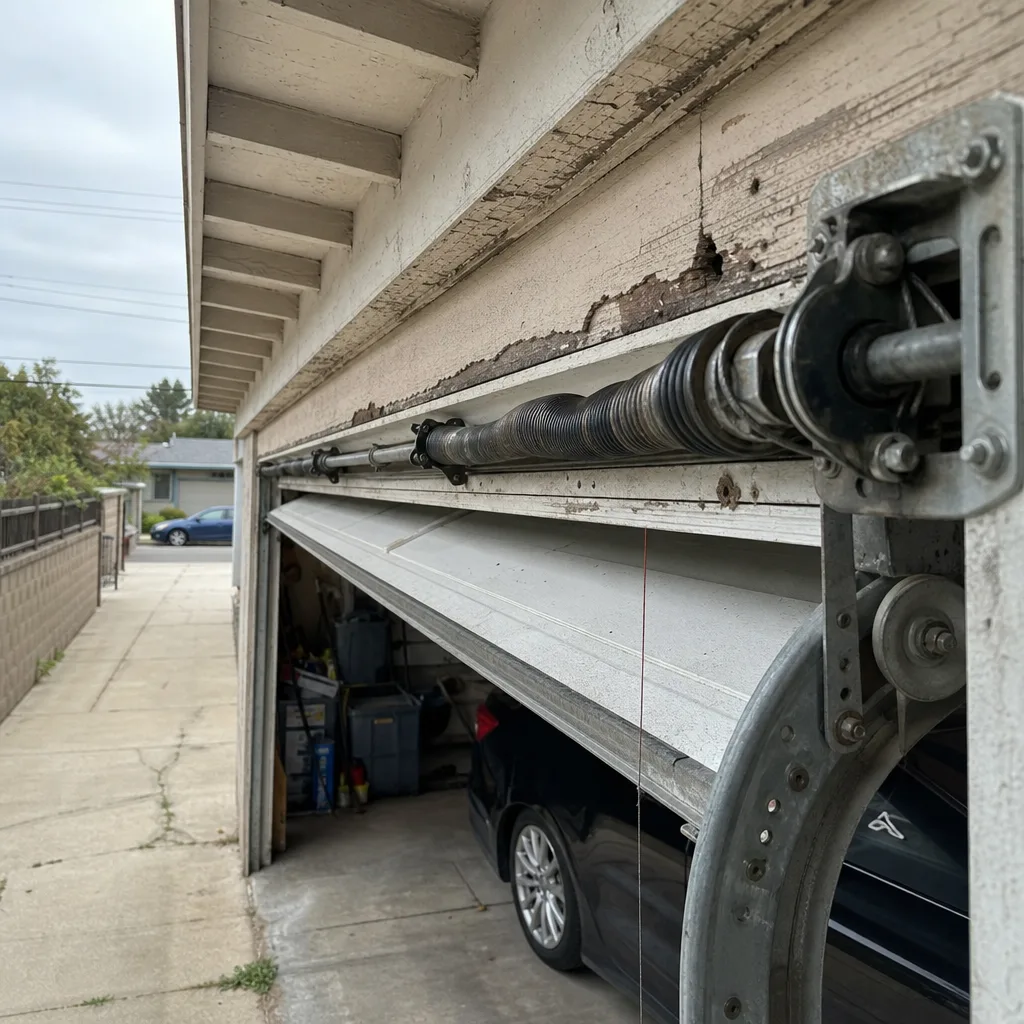 Before
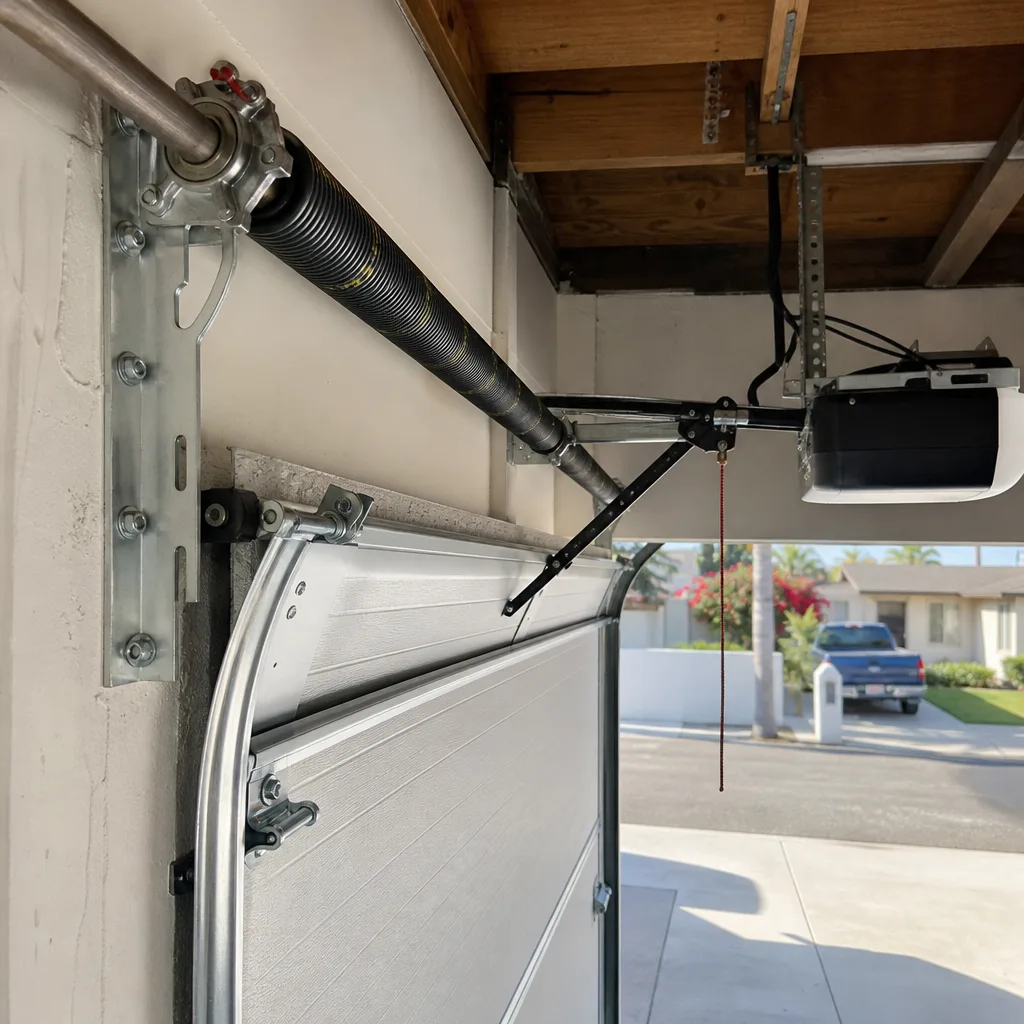 After
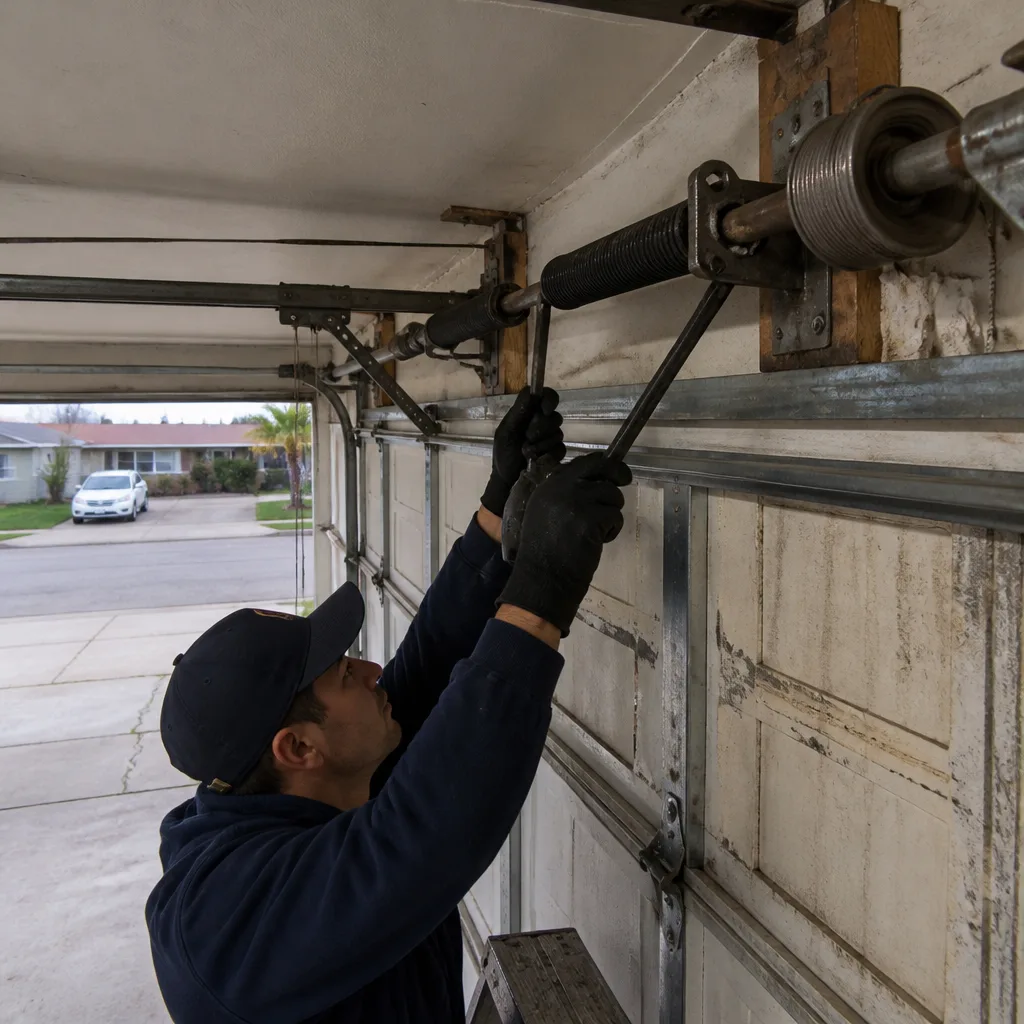 Before
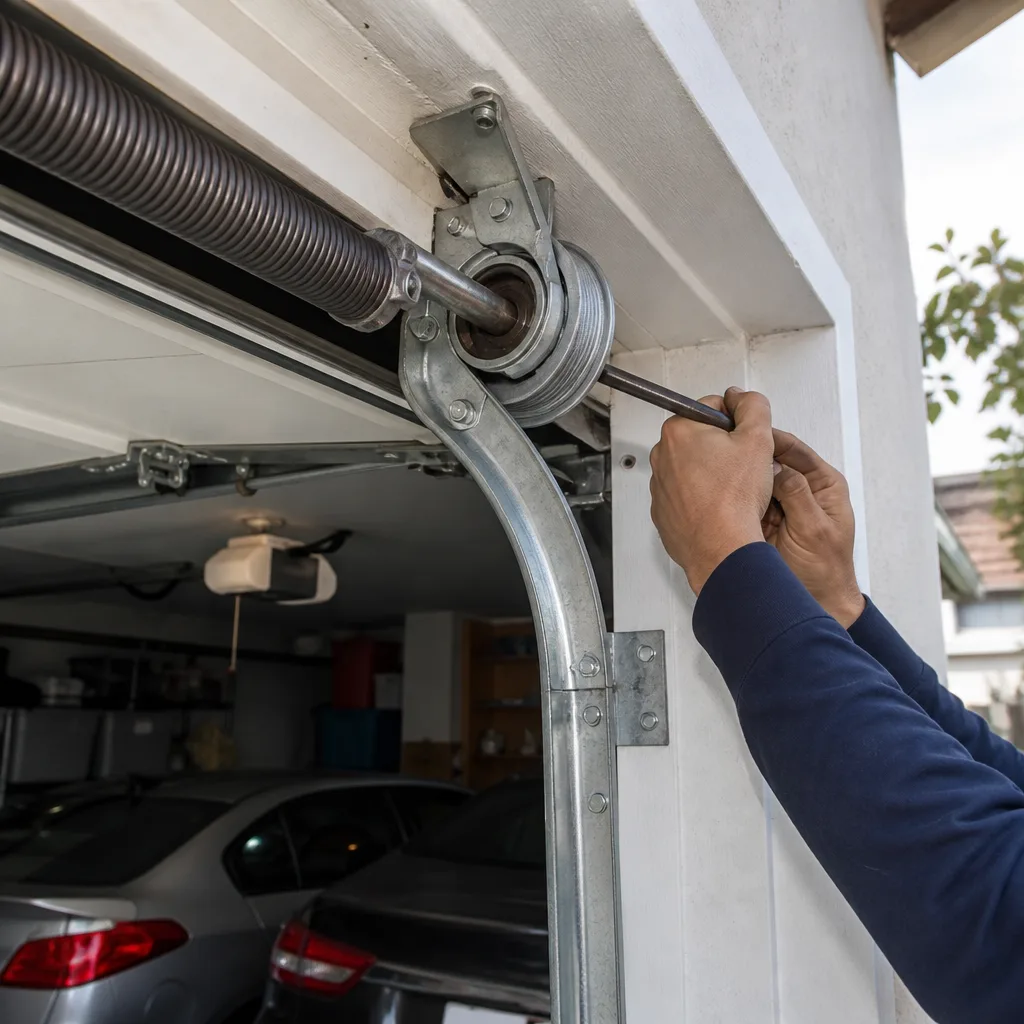 After
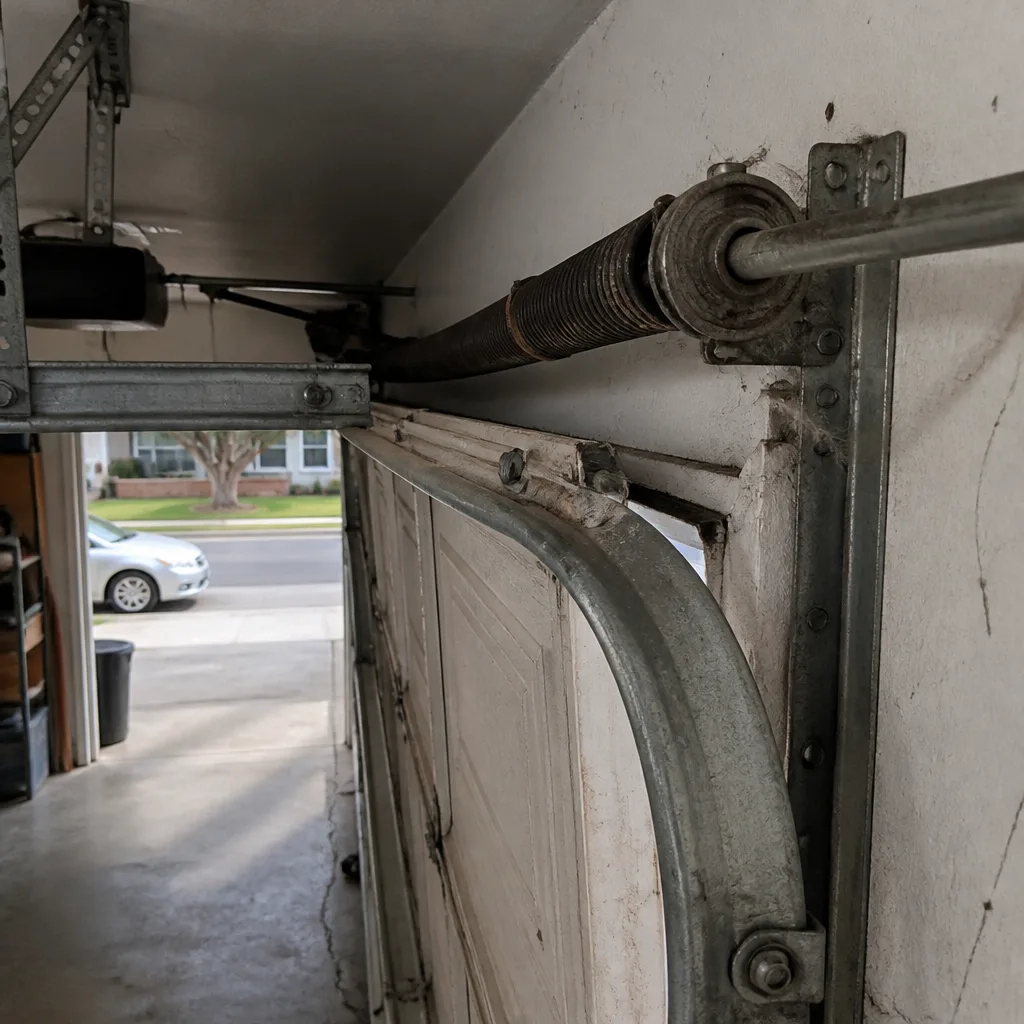 Before
 After
When to Call a Professional
If you’re on the fence about your current door’s condition, or you’re considering a replacement and want honest guidance before stepping into a showroom, a professional inspection gives you the baseline you need. Signs that warrant a call include rust along the bottom panel, visible sag when the door is halfway open, grinding or straining noises from the opener, or a spring that’s showing a visible gap. If you’re planning to buy a new door, an honest assessment of your current setup, including what’s worth salvaging and what needs replacement, saves you from overpaying. Garage door installation in Long Beach starts with understanding what you have now. Blackstone Garage Door Repair offers free estimates in Long Beach – call (866) 477-5637 to schedule.
Frequently Asked Questions
The best brand for a coastal Long Beach home is any brand offering fully galvanized steel construction with corrosion-resistant hardware, backed by a network of independent technicians who service it regularly. Brand names like Clopay and Amarr are commonly seen in Long Beach garages and have strong independent service support, but the galvanization matters more than the logo. For more guides & resources, visit our blog, or call (866) 477-5637 if you’d like help evaluating specific models for your location.
Most Long Beach homeowners pay between $1,400 and $2,800 for a quality mid-range galvanized steel door with insulation, fully installed. That price range represents the sweet spot where materials are built for coastal conditions and the door should last fifteen years or more with basic maintenance. Get exact quotes from reputable companies before committing. Call (866) 477-5637 for a free estimate.
Both channels have advantages, but the critical question for Long Beach is who installs and services the door after the sale. Home Depot typically subcontracts installation to local companies, which means your long-term service relationship is with whoever got the subcontracted job, not with Home Depot. A local dealer may offer more consistent service but often only for one or two brands. Either way, verify who will handle service in years two through ten, not just during installation. Our garage door repair in Long Beach service covers all major brands regardless of where you purchased.
Chamberlain and LiftMaster openers are the most common brands we service in Long Beach, and they’re widely considered reliable by local technicians. The coastal humidity is not a major threat to these openers as long as the circuit boards are protected and the unit is properly installed. More important than brand is correct sizing for your door’s weight and duty cycle. An undersized opener fails early, regardless of brand. For opener service, see our garage door opener repair in Long Beach page.
Most brand warranties explicitly exclude corrosion damage from environmental factors, including salt air. Standard steel panel warranties cover manufacturing defects and sometimes paint or finish failures, but not rust caused by coastal exposure. This is why material choice matters so much in Long Beach: the galvanization you buy is the protection you get. The warranty will not save you from a corrosion problem.
A galvanized steel garage door with quality hardware, properly installed and maintained, should last 15 to 20 years in Long Beach. A basic steel door in the same location will show significant rust within 6 to 10 years, and the springs will need replacement every 7 to 10 years regardless of door material. The closer you live to the ocean, the more that gap matters. Regular maintenance extends the life of any door, but it can’t make up for panels that lack galvanization.
The Bottom Line
Choosing a garage door brand for a Long Beach home comes down to three things: coastal-grade materials, local service density, and honest advice. Buy galvanized steel. Verify that independent technicians in the Long Beach area work on the brand you’re considering. And before you commit, ask a brand-agnostic professional what they’d buy for their own home. The brands with the biggest marketing budgets are not necessarily the ones that perform best in Long Beach’s salt air and marine layer. What performs best is the door built for the conditions, installed properly, and serviceable by someone who knows the system. That’s the standard. Hold your brand to it. For help evaluating your options or scheduling service, call Blackstone Garage Door Repair at (866) 477-5637.
Written by the team at Blackstone Garage Door Repair, serving Long Beach since 2012.