
Last updated October 30, 2026
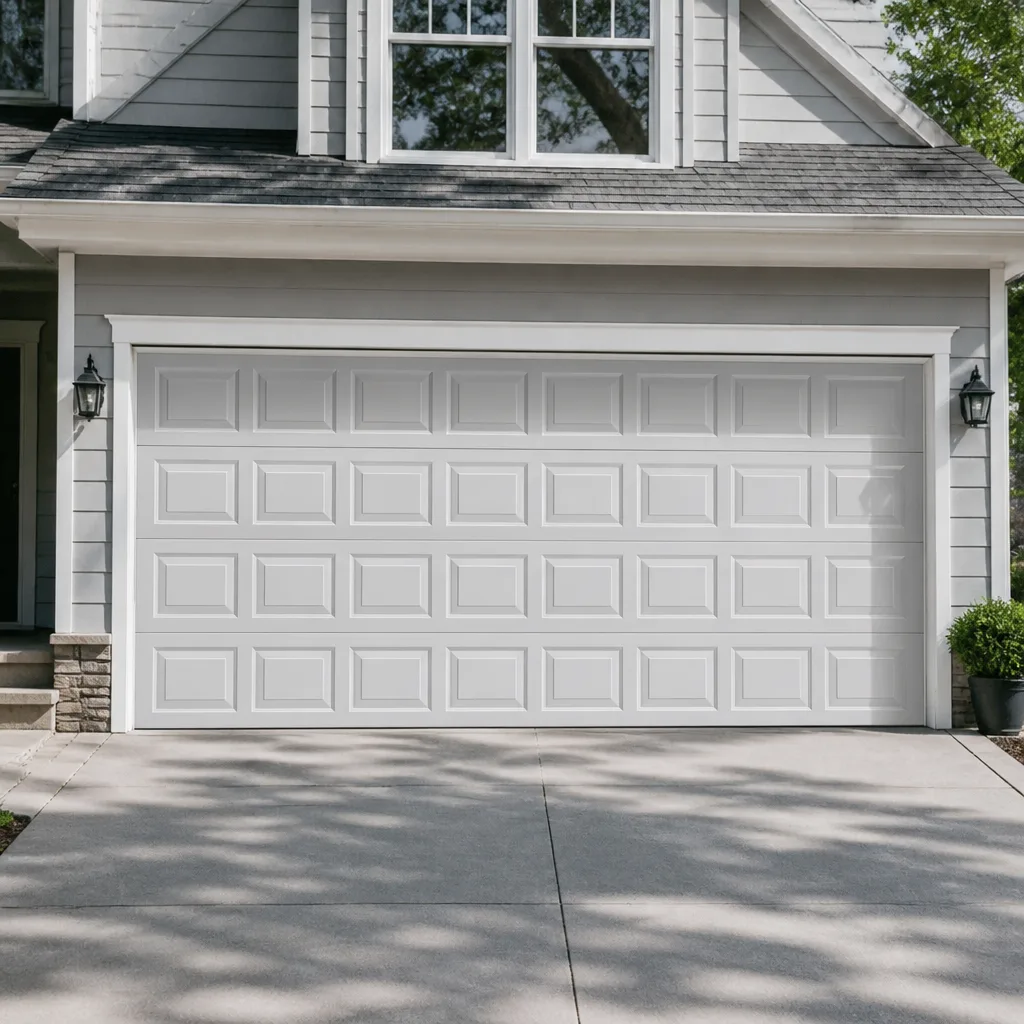 Raised-panel steel
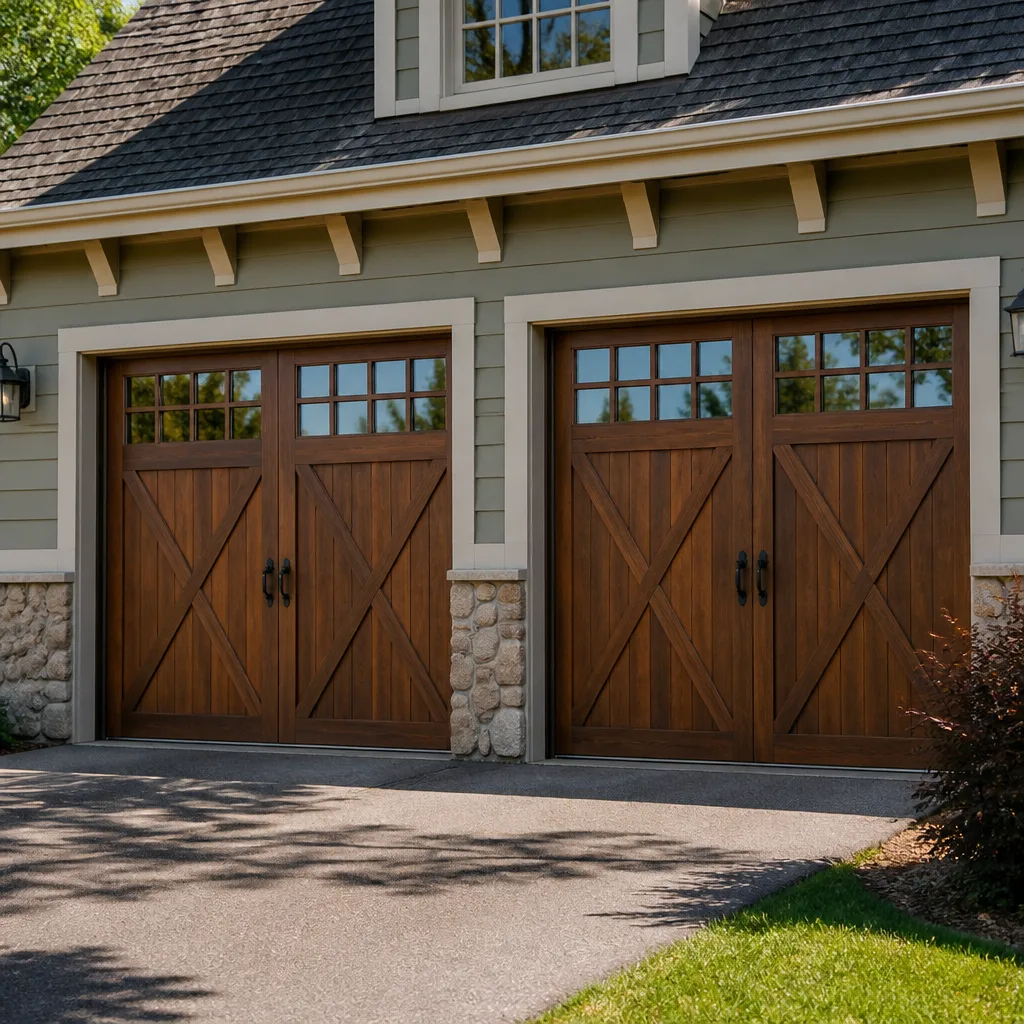 Carriage house
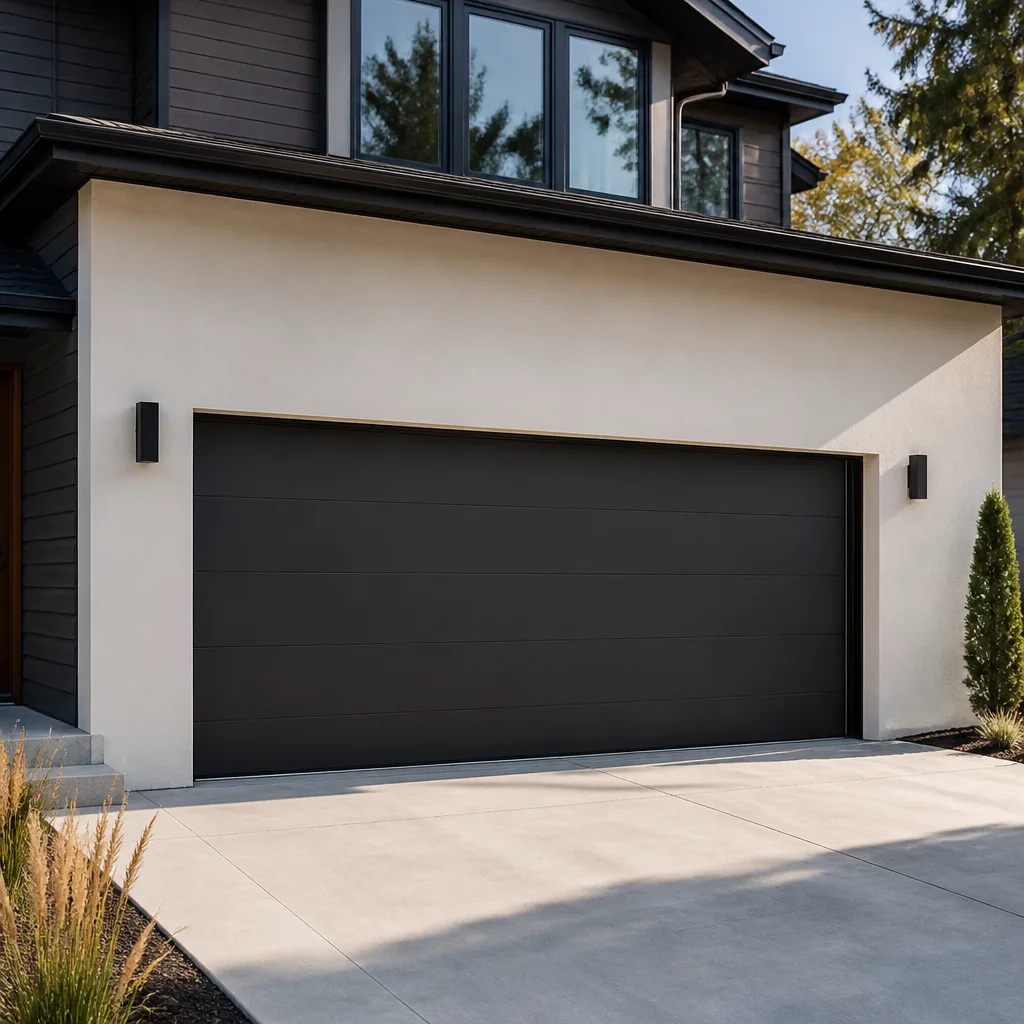 Modern flush
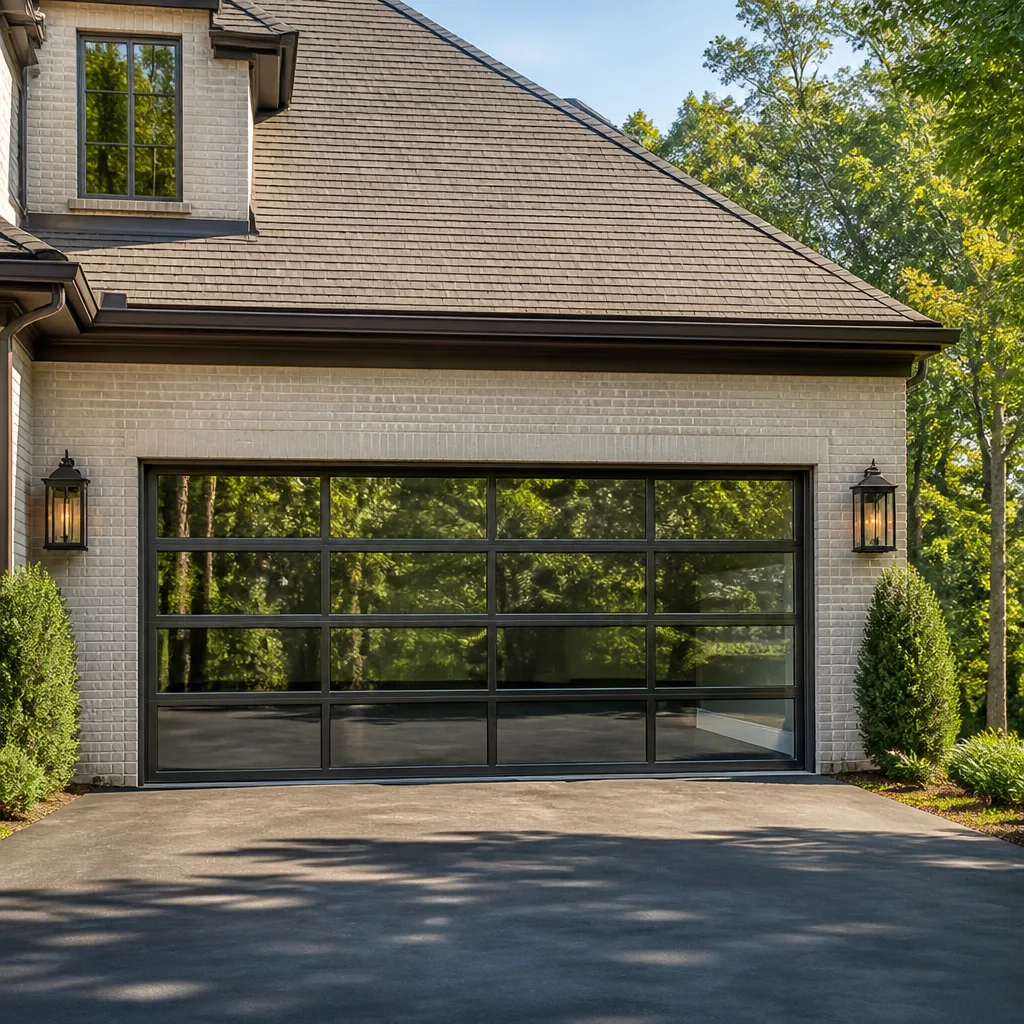 Full-view glass
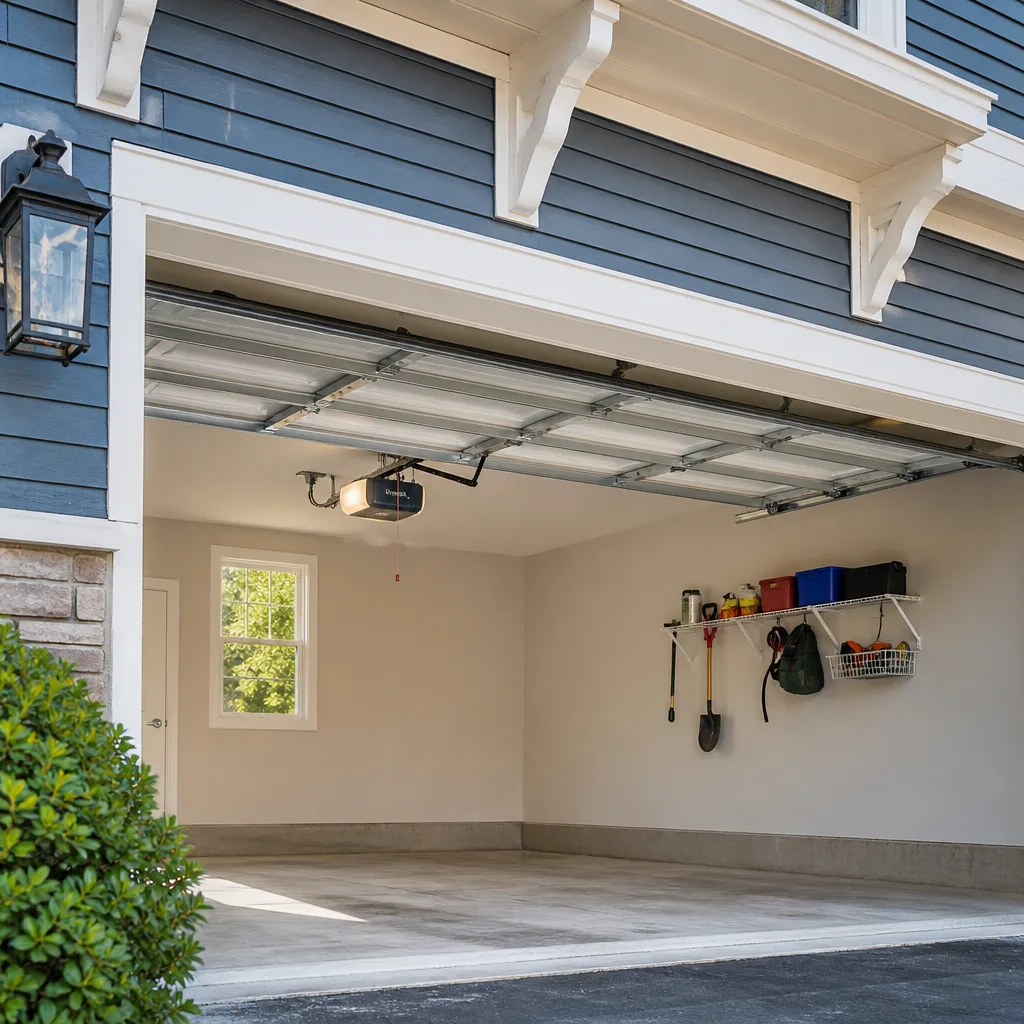 LiftMaster openers
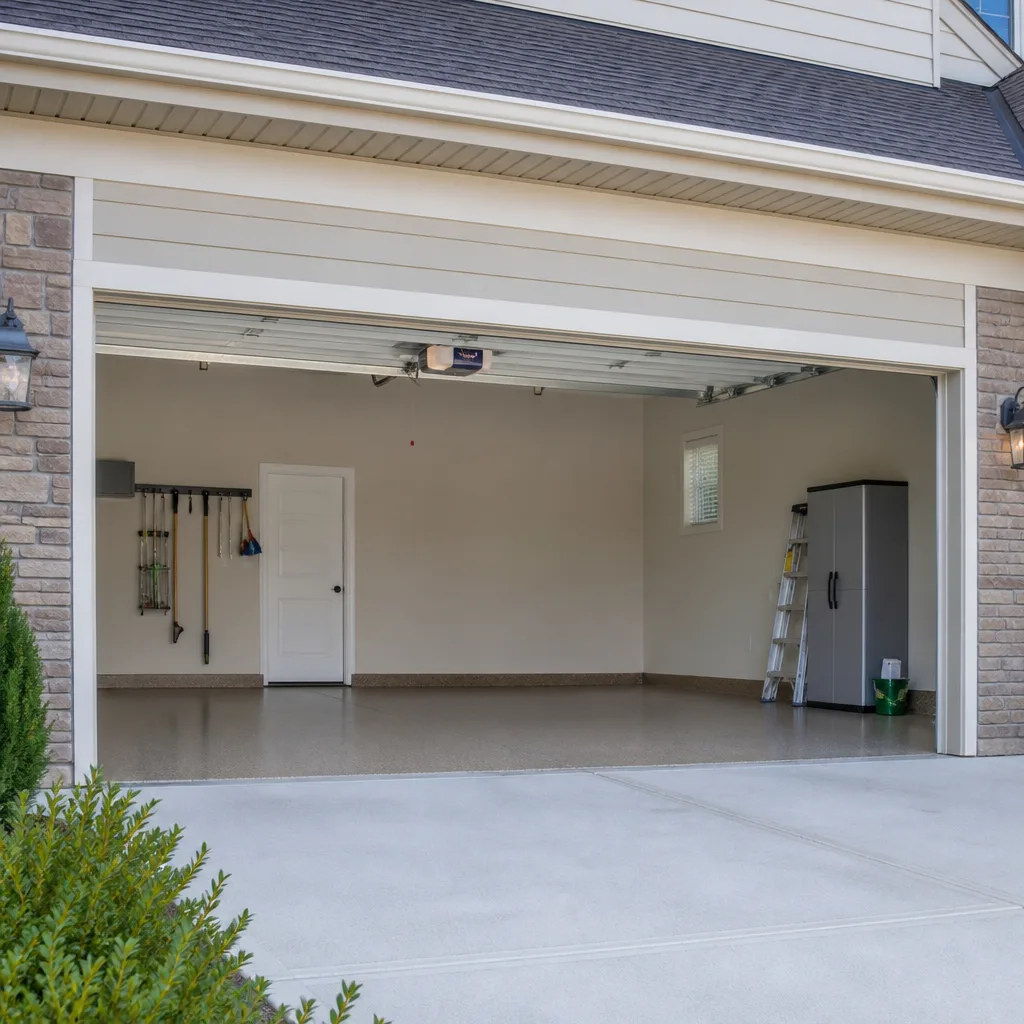 Chamberlain openers
Full 25-point door and opener safety check with every visit - springs, cables, rollers, tracks, and your LiftMaster or Chamberlain opener included
You get a price before we start. It does not change when the truck arrives.
Get your free estimateGarage Door Warning Signs: A Long Beach Homeowner’s Reference Guide
Here’s something most Long Beach homeowners don’t realize: the garage door is the heaviest moving object in your home, and it weighs somewhere between 250 and 400 pounds depending on the material. Every single day, the springs, cables, rollers, and motor that manage that weight take on a load that would overwhelm most household hardware in a week. Yet we’ve watched countless doors give off quiet signals for months, signals that get dismissed as “just how the door sounds” or “it’s always done that.” The doors that get repaired early share one thing in common: someone noticed a small change and called before that change became a catastrophic failure. This guide covers the subtle indicators that matter, the ones that rarely get mentioned in generic warning-sign lists, and what they mean for a coastal home where salt air never really takes a day off. For seasonal garage door care specific to Long Beach, see our year-round homeowner’s guide.
Quick Answer
The earliest garage door warning signs are almost never obvious. A door that opens two seconds slower than it did six months ago, a faint grinding sound that disappears after the first few feet of travel, or a spring that looks dusty instead of shiny are all signals the mechanical system is working harder than it should. If you notice any change in how your door sounds, moves, or balances, it’s worth investigating now rather than waiting for the door to stop moving altogether.
Styles & brands we work with
Table of Contents
- Opener Motor Sounds: What’s Normal and What’s Not
- The 5-Second Balance Test That Catches Spring Failure Early
- Coastal Rust Patterns: Surface Corrosion vs. Structural Damage
- Panel Misalignment and What It Actually Means
- The Three Signs Most Homeowners Wait Too Long On
- Cable Wear and Fraying: The Silent Countdown
- Track Problems Before the Door Jumps the Rail
- Common Mistakes to Avoid
- When to Call a Professional
- Frequently Asked Questions
Opener Motor Sounds: What’s Normal and What’s Not
Every garage door opener makes noise. The motor hums, the chain or belt moves along the rail, and the door rolls through its track. But there’s a specific shift in that noise profile that tells us, as technicians, that something’s changing in the system before the opener itself fails. A healthy opener running a balanced door produces a steady, even hum with a consistent pitch. The motor doesn’t strain, and the sound doesn’t change in volume or tone from the moment the door starts moving until the moment it stops.
A strained hum is different. It typically starts quieter and builds in intensity, or it drops in pitch as the travel progresses. That’s the motor working against resistance somewhere in the system. The most common cause in Long Beach homes with doors between 8 and 15 years old is spring fatigue. Torsion springs lose tension as they age and accumulate thousands of cycles. As that tension drops, the opener motor takes on more of the lifting load. LiftMaster and Chamberlain openers have current-sensing overload protection that will eventually shut the motor down if it works against too much resistance repeatedly. Genie openers use a different system, but the principle is the same: the motor is shouting before it quits.
Listen for these changes over a two-week period:
- Volume creep: The opener is noticeably louder at the start of travel than it was a month ago.
- Pitch drop: The hum sounds lower or “heavier” toward the end of the door’s upward travel.
- Rattle onset: A new vibration or rattle during the first three feet of movement, which often indicates a roller wearing against a track that’s slightly out of alignment.
- Grinding on startup: A brief grinding or scraping right as the door begins to move, then a return to normal operating sound.
None of these require special tools to identify. You don’t need a decibel meter or a torque wrench. You need about ten minutes of attention while the door runs through one full cycle, and you need to trust that a change is a signal, not a personality trait your door developed.
The 5-Second Balance Test That Catches Spring Failure Early
The balance test is the single most reliable diagnostic we perform on service calls, and it takes longer to describe than to do. A properly balanced door, when disconnected from the opener and moved manually, should hold its position at roughly the halfway point of the opening without drifting up or crashing down. If it drops, the springs are under-tensioned and failing. If it shoots upward, the springs are over-tensioned and need adjustment. Both conditions force the opener motor to compensate, which shortens its lifespan and explains many “random” opener failures we see across Long Beach.
Here’s how to run the test:
- Close the door completely.
- Pull the red emergency release cord hanging from the opener rail. This disconnects the door from the motor.
- Lift the door manually to about waist height, then release it gently.
- Watch what happens in the next five seconds.
If the door stays put or drifts only an inch or two, the balance is within an acceptable range. If it slides downward more than a few inches, the springs are losing tension and need attention. If it climbs on its own, the springs are carrying too much tension. In either case, you’ve just identified a problem that hasn’t yet announced itself as a full failure.
A door that “looks level” when fully open or fully closed can still be significantly out of balance. The tracks mask the problem at the endpoints. The middle of the travel is where truth lives. We’ve run this test on doors in neighborhoods from Belmont Shore to Bixby Knolls and found doors that appeared perfectly fine at rest but dropped like a guillotine at the halfway point. The springs had lost most of their tension gradually, and the opener had been silently compensating for months.
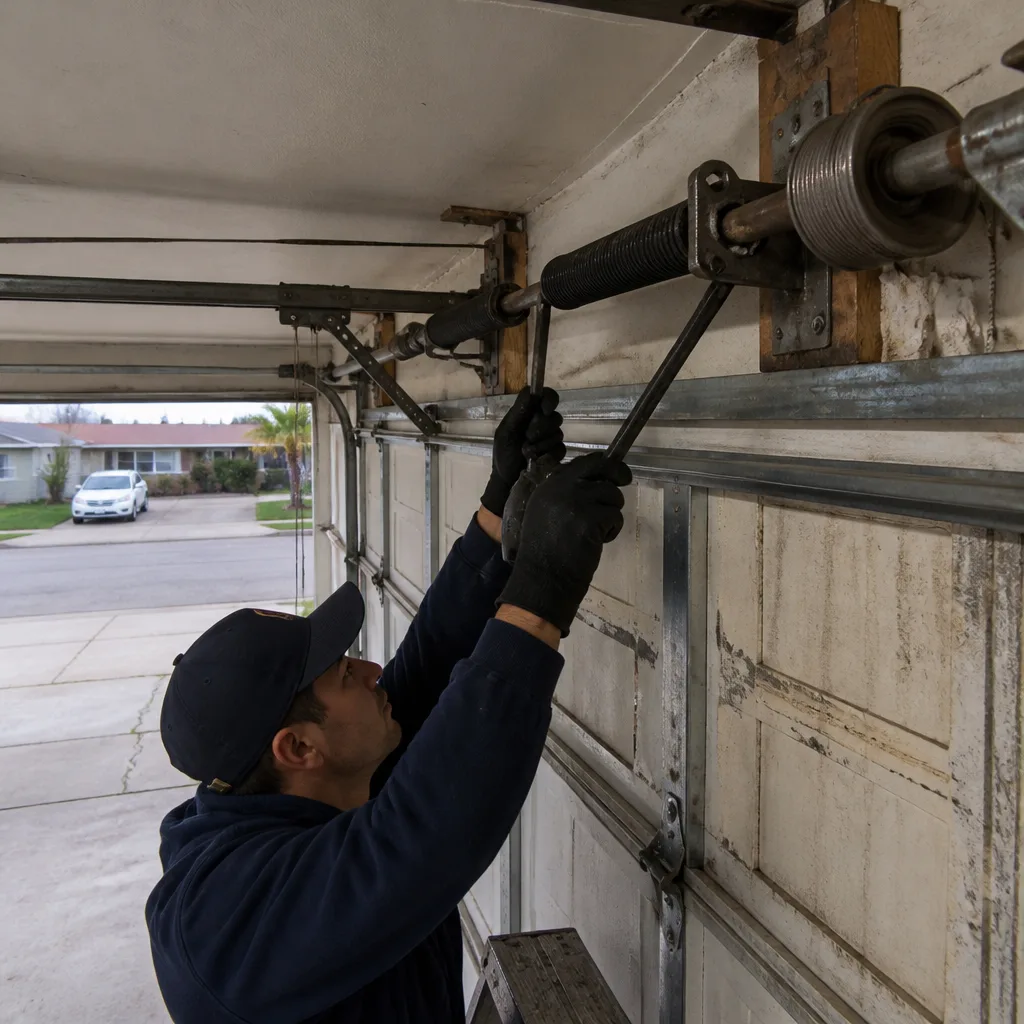
One caution: if the door drops hard during this test, don’t try to catch it or force it back up. Let it descend, then reconnect the opener and call for service. A door that drops hard is a door that can hurt someone, and spring replacement is not a DIY job. The torsion spring assembly stores enough energy to cause serious injury if mishandled. Our Garage Door Repair in Long Beach team handles spring replacements with the right tools and safety procedures every week.
Coastal Rust Patterns: Surface Corrosion vs. Structural Damage
Long Beach has a specific relationship with rust. The marine layer that rolls in most evenings carries salt and moisture, and homes within a few miles of the coast see accelerated oxidation on every exposed metal component: hinges, springs, cables, tracks, and bottom brackets. But not all rust is created equal, and understanding the difference saves homeowners from either panicking over cosmetic spotting or ignoring a genuinely dangerous condition.
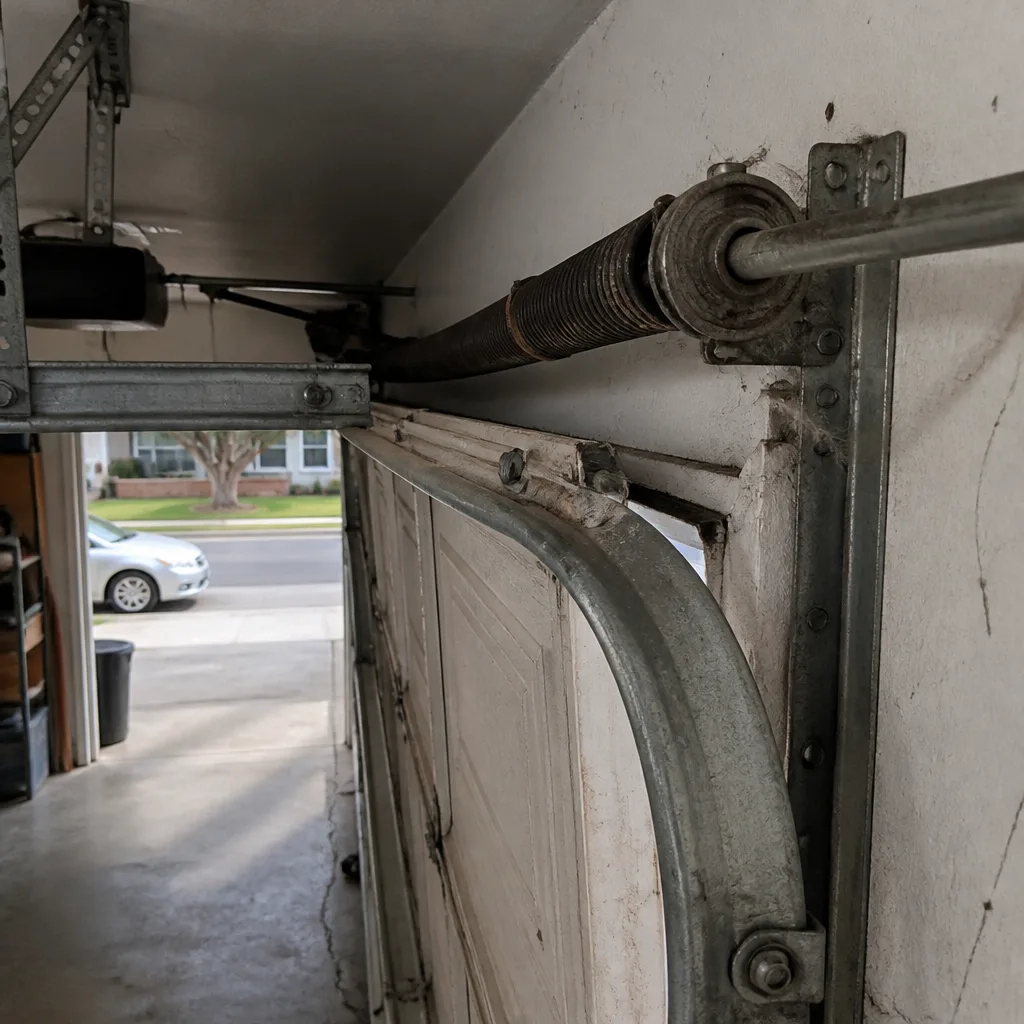
Surface rust is typically orange-brown, flaky, and powdery. It sits on top of the metal. On springs, it looks like a dusting. On hinges, it creates a rough texture. Surface rust is ugly and it does indicate ongoing exposure, but it doesn’t compromise the structural integrity of the component in the short term. Cleaning it off and applying a rust inhibitor can extend the life of the hardware.
Structural corrosion is different. It presents as dark brown or black pitting, visible cracks in the metal, or a condition where the metal has thinned visibly. On extension springs, structural corrosion shows up as deep pitting at the coil junctions. On torsion springs, look for corrosion concentrated at the winding cone or the ends of the spring. On cables, structural corrosion appears as broken strands or a dull gray color where the galvanization has worn through and the steel beneath has begun to fail.
The test that matters on cables: run a dry cloth along the length of the cable while wearing gloves. If the cloth snags on broken strands, the cable is compromised and needs replacement. If the cable is uniformly smooth but discolored, it’s more likely surface oxidation that can be addressed with cleaning and lubrication. Cables under tension that snap are genuinely dangerous, and the warning sign is almost always visible fraying well before the failure. Don’t ignore a cable that looks fuzzy. That “fuzz” is individual steel strands breaking under load.
Homes in Naples, the Peninsula, and Belmont Shore see the most aggressive rust patterns because of their proximity to the water and the prevailing onshore wind. Homes further inland in Los Altos or East Long Beach see far less, but the marine layer still reaches them. The takeaway: check your hardware once a quarter, and if you see dark pitting or fraying, it’s time to call before the door comes down at the wrong moment.
Panel Misalignment and What It Actually Means
When a garage door panel sits slightly proud of the panel below it, or when the gaps between panels widen at one end and narrow at the other, most homeowners assume the door itself is warping. In our experience across Long Beach, that’s rarely the actual cause. Panel misalignment is usually a symptom of something happening at the bottom of the door or along the track, and it appears before performance degrades enough to notice.
The most common culprit is a failing bottom bracket. These brackets attach the door to the cable system and take the full weight of the door every time it opens. When a bottom bracket bends or begins to pull away from the door, the entire door shifts slightly. That shift shows up as a panel that doesn’t sit flush, or as a door that appears to lean slightly when viewed from inside the garage. The door may still open and close with no obvious problem, which is exactly why this signal gets ignored.
A bent track produces similar symptoms. Tracks don’t bend on their own. They bend when a roller seizes and drags against the track wall, or when the door takes a hit (a car bumper, a basketball, a ladder that fell). Once the track is out of true, the door starts to fight it on every cycle, and that fight shows up as uneven panel gaps, a door that shudders at a specific point in the travel, or a grinding sound that happens at the same spot every time.
Here’s what to look for:
- Stand inside the garage with the door closed and look along the bottom edge. It should sit squarely on the floor with an even gap along the entire width.
- Open the door halfway and look at the vertical seam where two panels meet. Both ends of the seam should show roughly the same gap.
- Watch the bottom brackets as the door starts to rise. Any visible flexing or movement at the bracket is a problem.
- Check the track for shiny wear marks or scoring, which indicate a roller binding against the rail.
These checks take about a minute and require no tools. They catch problems that would otherwise surface as a door off its track or a cable snapped at 7:00am on a Tuesday.
The Three Signs Most Homeowners Wait Too Long On
Every technician keeps a mental list of the calls they wish had come six months earlier. In our work across Long Beach, three signs stand out as consistently downplayed. They’re not dramatic. They’re easy to dismiss. And each one becomes a more expensive repair the longer it’s ignored. If you’re planning a larger project, our step-by-step guide on hiring a garage door contractor in Long Beach can help you evaluate who to trust.
- The slow opener. A door that takes two or three extra seconds to complete its travel is already telling you the springs are fading. The opener motor is working harder, drawing more current, and generating more heat. By the time the door stops opening at all, you’re not just replacing springs. You’re potentially replacing the motor, the drive gear, or the entire opener. Openers on a failing spring system burn out faster, and that’s a $300 to $600 part on top of the spring replacement.
- The intermittent shimmy. A door that shakes or stutters at one specific point in its travel, but only sometimes, is usually a track alignment issue or a failing roller that’s about to seize. It’s intermittent because the condition is marginal: temperature changes, humidity from the marine layer, or a slight shift in the door’s weight distribution tips it into binding. Once that roller fully seizes, the door can bind hard enough to pull the track off the wall or snap a cable.
- The growing gap. A gap between the door and the weather seal that slowly widens, or a gap that appears on one side only, indicates the door is no longer closing square. This is often a spring balance issue or a cable that has stretched unevenly. Left alone, it becomes a fully uneven door with one cable carrying more load than the other, which is a setup for cable failure.
All three of these are fixable at relatively low cost when caught early. All three become expensive and occasionally dangerous when ignored. The pattern we see in Long Beach is consistent: homeowners notice the change, tell themselves it’s probably nothing, and adapt to the new behavior until something actually breaks. The door that gets serviced early is the door that keeps its opener for another decade.
Cable Wear and Fraying: The Silent Countdown
Cables do more work than any other component in a garage door system, and they get less attention than anything else. The cables are what transfer the spring’s energy to the door. They’re under constant tension. And when they fail, the door doesn’t stop politely: it drops, or it jams violently, or it hangs crooked from a single cable while the other whips free. Cable failure is the most predictable and preventable serious garage door event we see, because the warning signs are visible for weeks or months beforehand.
The most obvious sign is fraying. A galvanized steel cable under tension will not break all at once without first showing broken strands. Those strands appear as small fuzzy projections along the cable, most often near the bottom bracket where the cable attaches to the door, or near the drum at the top where the cable wraps. In Long Beach’s salt air, fraying can also present as a dull gray patch where the galvanized coating has failed and the underlying steel has started to corrode.
Another sign is cable slack. When the door is fully closed, both cables should be taut. A cable that hangs even slightly loose on one side means the spring tension is uneven, or the drum has slipped, or the cable has stretched. Slack cables don’t wrap evenly on the drum, which compounds the problem with every cycle. The result is a door that lifts unevenly, which puts lateral stress on the tracks, the rollers, and the panels.
Inspection is simple. With the door closed, look at each cable from about an arm’s length away. You’re looking for fuzz, kinks, or any visible thinning. If you see it, don’t touch the cable and don’t try to tighten anything. Cables and springs under tension are dangerous to work on without training and the right tools. This is not a judgment about your abilities: it’s a safety reality. We’ve seen what happens when a cable snaps under tension, and no repair bill is worth that. If you’re in Long Beach and you spot cable wear, our Garage Door Repair in Long Beach team can replace the cable safely and check the spring balance at the same time.
Track Problems Before the Door Jumps the Rail
The tracks are the road your door travels. Most of the time, they do their job invisibly. But when a track starts to fail, the consequences escalate quickly, because a door that comes off its track is heavy, unstable, and dangerous to reposition without training.
Track problems announce themselves in stages. The first sign is almost always a new sound: a grinding, scraping, or rhythmic rattle that wasn’t there before. This is a roller dragging against the track wall instead of rolling smoothly along it. The cause might be a worn roller, a track that’s slightly bent, or a track that’s come loose from its mounting brackets.
The second sign is visible: a gap between the track and the door, or a track that’s no longer parallel to the door edge. With the door closed, stand at one end of the track and sight down its length. You should see a smooth, straight line. If the track bows in or out at any point, that’s a problem. In coastal Long Beach homes, track mounting hardware is also vulnerable to corrosion, and a bracket that’s rusted through will let the track flex under load.
The third sign is functional: the door slows down or speeds up at a specific point in its travel, or it hangs for a beat before continuing. That’s the door working through a bind, and every cycle makes the bind worse.
What you can do safely is limited. You can visually inspect the tracks and the mounting brackets. You can note where a sound is coming from. What you should not do is try to straighten a bent track with a hammer, or loosen and re-tighten mounting bolts, because a track under load that shifts suddenly can drop the door. Track repair is a professional job with the door braced and the spring tension managed. The good news is that caught early, most track issues are a quick fix. Caught late, they’re a door on the garage floor.
Common Mistakes to Avoid
- Lubricating a failing spring to quiet it. A squeaking spring doesn’t need oil; it needs replacement. Lubricating it just masks the sound while the metal continues to fatigue. The squeak is the spring telling you it’s done.
- Assuming a new opener will fix a slow door. If the door is unbalanced, a new opener will burn out the same way the old one did. Balance the door first, then decide if the opener actually needs replacement.
- Ignoring rust because “it’s just cosmetic.” In Long Beach’s marine layer, what starts as surface rust becomes structural corrosion. A quarterly visual check of springs, cables, and hinges costs five minutes and saves real money.
- Using the garage door as the primary entrance while ignoring signs. Homes in neighborhoods like Alamitos Heights and Belmont Shore often use the garage as the main entry point. A door that cycles six or eight times a day accumulates wear fast. If it’s your front door, treat it like one.
- Trying to adjust springs without proper tools. Torsion springs store enough energy to cause severe injury. This is the one repair where the “do it yourself” savings are never worth the risk.
- Waiting for the door to fail before calling. Every sign in this guide is a cheaper fix today than it will be after the failure. The early call is always the cheaper call.
- Replacing panels on a door with underlying structural issues. If the bottom bracket has pulled loose or the track is bent, a new panel won’t fix the problem. Fix the structure first.
When to Call a Professional
Any sign of cable fraying, spring fatigue, or track misalignment is a professional repair, full stop. These are the components under the highest tension and the ones that cause serious injury when handled incorrectly. If your door fails the balance test, if you hear a strained hum from the opener, or if you see visible damage to any metal component, it’s time to call. Blackstone Garage Door Repair services every major brand, including Raynor, LiftMaster, Chamberlain, and Genie, and we show up knowing your door’s system rather than learning it on arrival. Not sure which brand is right for you? Our buyer’s guide for choosing a garage door brand in Long Beach breaks down the options. We offer free estimates in Long Beach; call (866) 477-5637 to schedule a visit. We work on doors throughout Long Beach, from the Peninsula to El Dorado Park to Lakewood Village, and we’re happy to take a look before a minor issue becomes a major one.
Frequently Asked Questions
Garage door repair costs in Long Beach vary by the specific component and the door’s brand, but minor repairs like roller replacement typically run lower than major repairs like spring replacement or track realignment. A service call to diagnose the issue usually includes the cost of labor for the first hour, with parts quoted separately. We quote a full price before any work begins, so you’ll know the total cost before we pick up a tool. Call (866) 477-5637 for a free estimate on your specific door.
Long Beach’s marine layer accelerates rust on springs, cables, and mounting hardware, making corrosion-related failures more common here than inland. We also see a higher rate of roller and hinge wear in homes within a few miles of the water. Regular inspection of metal components catches most of these problems before they cause a failure.
Standard torsion springs are rated for around 10,000 cycles, which translates to roughly 7 to 10 years for most Long Beach homeowners. Homes that use the garage as the primary entrance, or doors that cycle multiple times per day, will hit that limit sooner. The balance test described above will tell you when springs are nearing the end of their service life regardless of their age.
Most garage door components, including springs, cables, rollers, and tracks, can be repaired or replaced individually without replacing the entire door. Full replacement makes sense when the door itself has significant panel damage, structural rust, or when the owner wants to upgrade to a modern system. We’ll give you an honest recommendation based on the door’s condition. Our Garage Door Installation in Long Beach page covers what full replacement looks like if that’s the right path.
A grinding noise from a garage door opener usually indicates a failing gear inside the opener unit, or a roller binding against the track. If the grinding is accompanied by a slower door, it’s likely the motor working against increased mechanical resistance. Either way, it’s worth addressing quickly to avoid a full opener failure. We specialize in Garage Door Opener Repair in Long Beach and can diagnose the source on the first visit.
No. A frayed cable is a cable that’s actively failing, and when it snaps, the door can drop unexpectedly or hang dangerously from one side. If you see fraying, stop using the door and call for service. The repair is straightforward when caught early, and the risk of ignoring it is not worth the delay. Call (866) 477-5637 to have it addressed; we’ll quote the full price before any work starts.
The Bottom Line
Garage doors don’t fail without warning. They slow down, they change pitch, they show rust, they shift alignment. The trick is noticing those changes and taking them seriously. A two-second delay today is a spring replacement next month, and a spring replacement next month is cheaper than a spring replacement plus a new opener the month after. In Long Beach, where salt air adds a constant corrosive pressure, the margin for ignoring small changes is thinner than inland. Check your door’s balance this week. Listen to the opener. Look at the cables. If something’s changed, call before the door makes the decision for you. You can reach our team at Blackstone Garage Door Repair home for any of these issues, and we’ll give you a straight answer and a fair price.
Written by the team at Blackstone Garage Door Repair, serving Long Beach since 2012. Explore more guides & resources on our blog.
See the difference
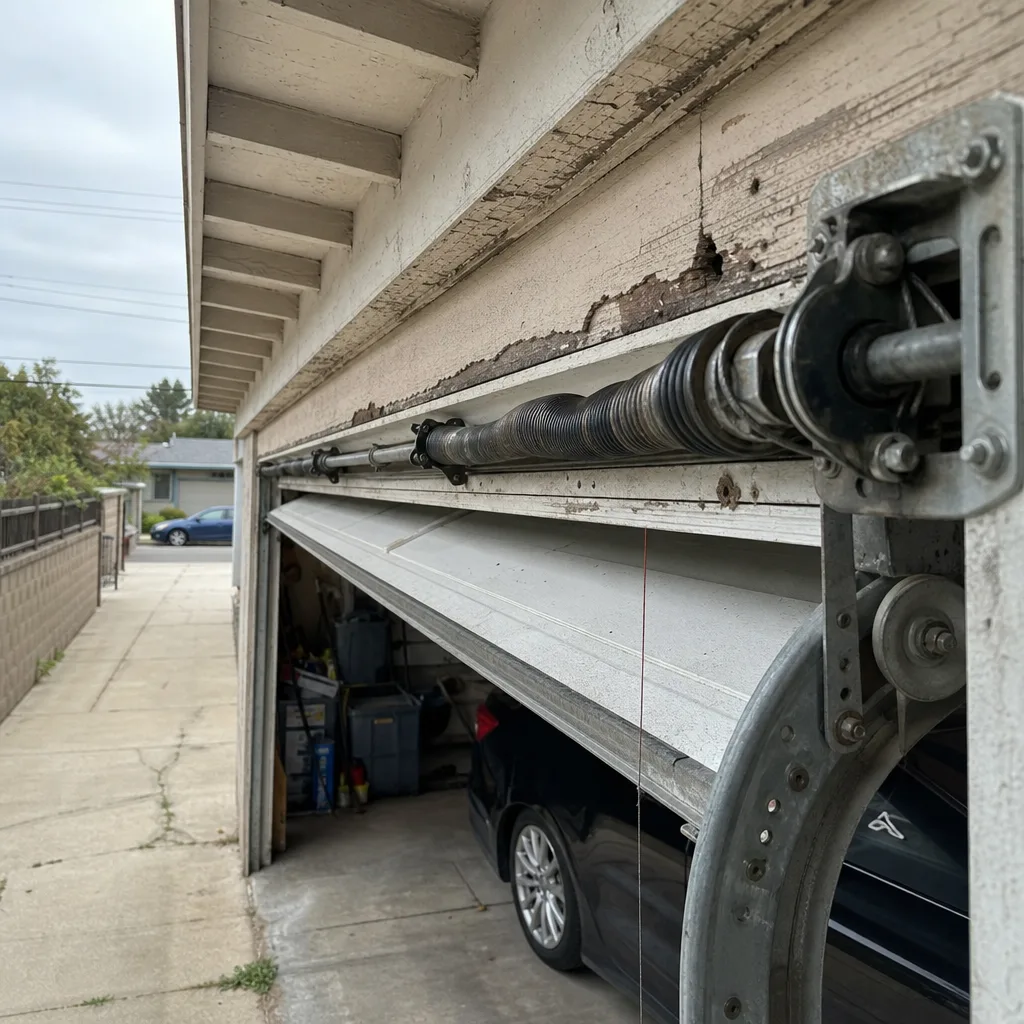 Before
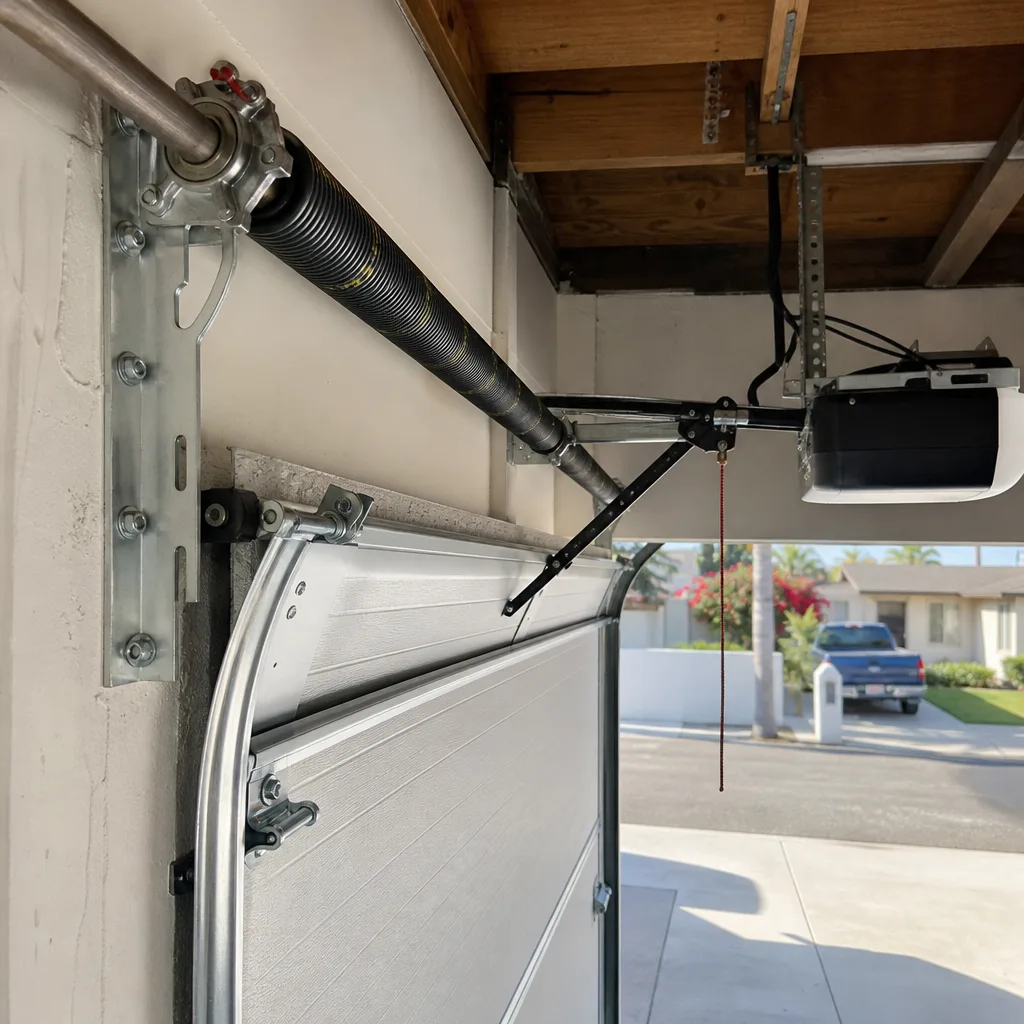 After
 Before
 After
 Before
 After