
Last updated October 30, 2026
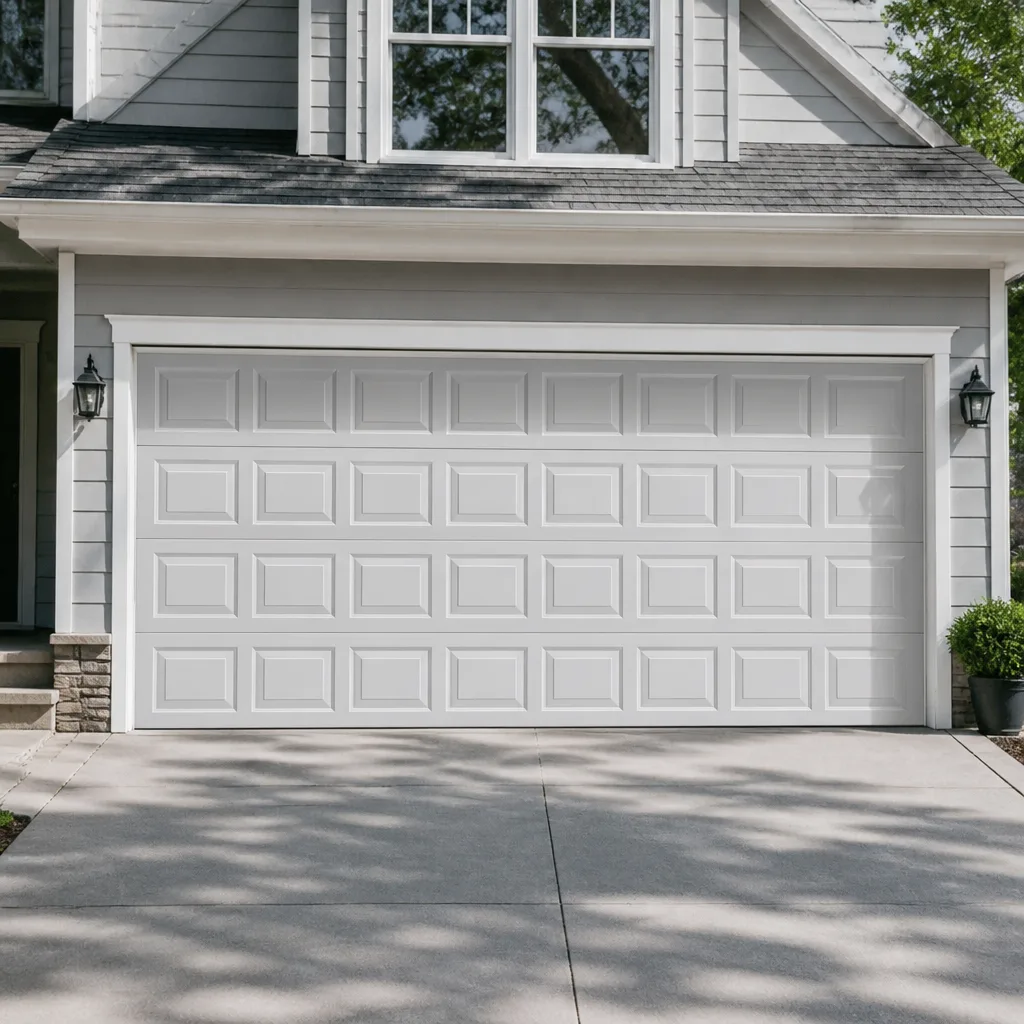 Raised-panel steel
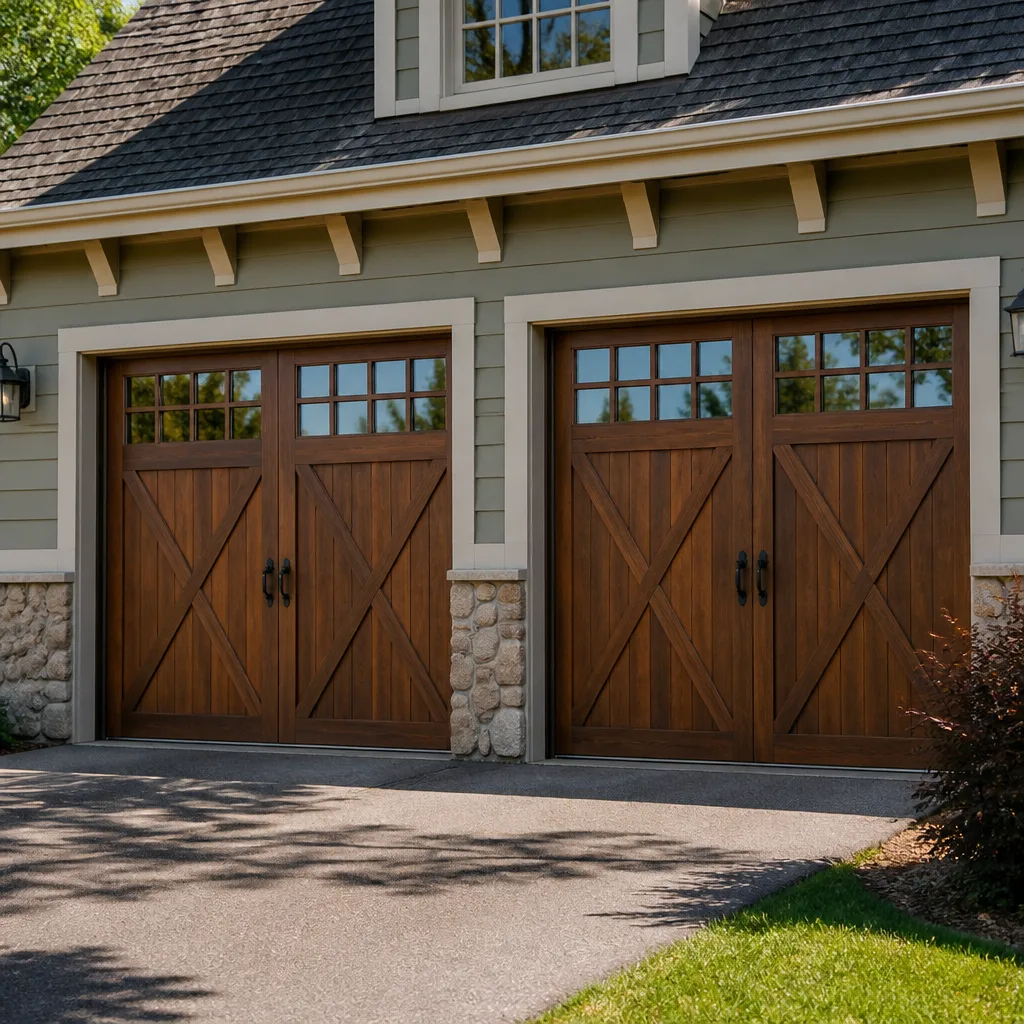 Carriage house
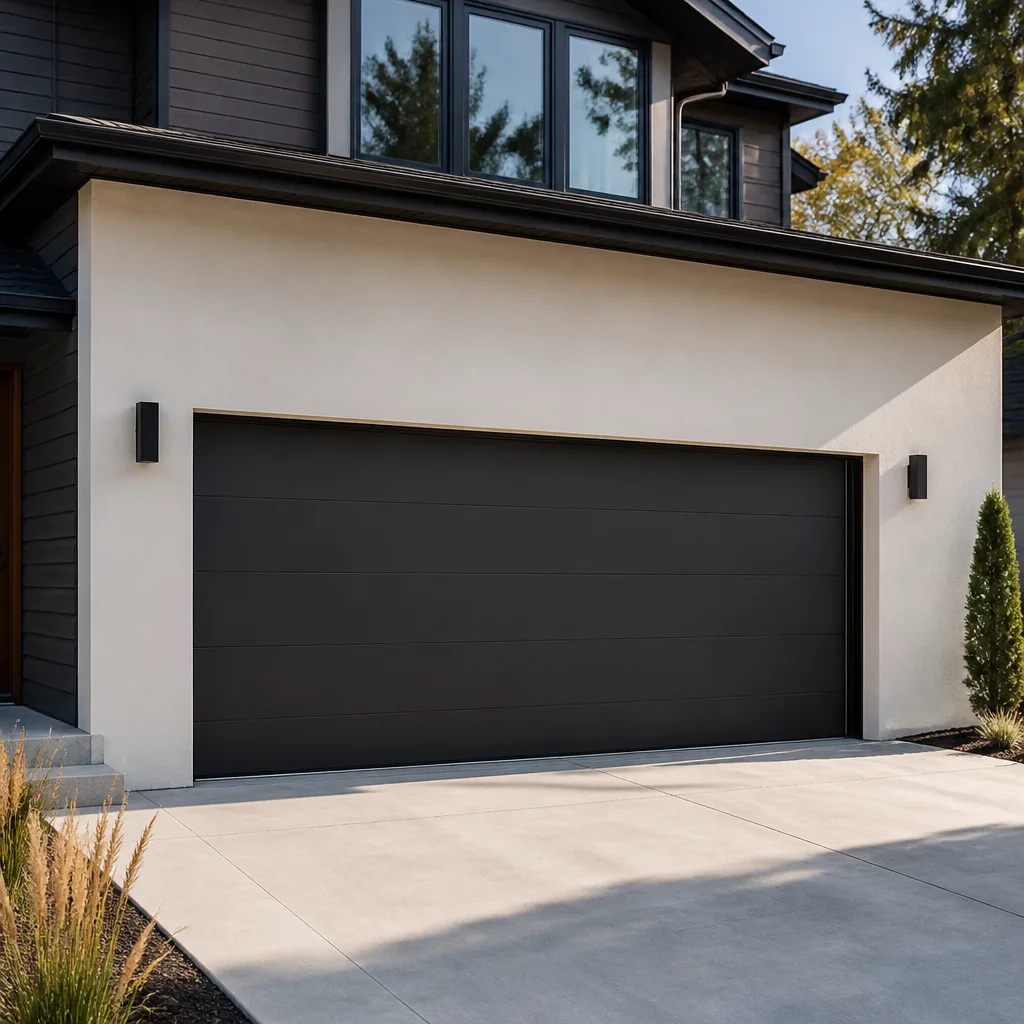 Modern flush
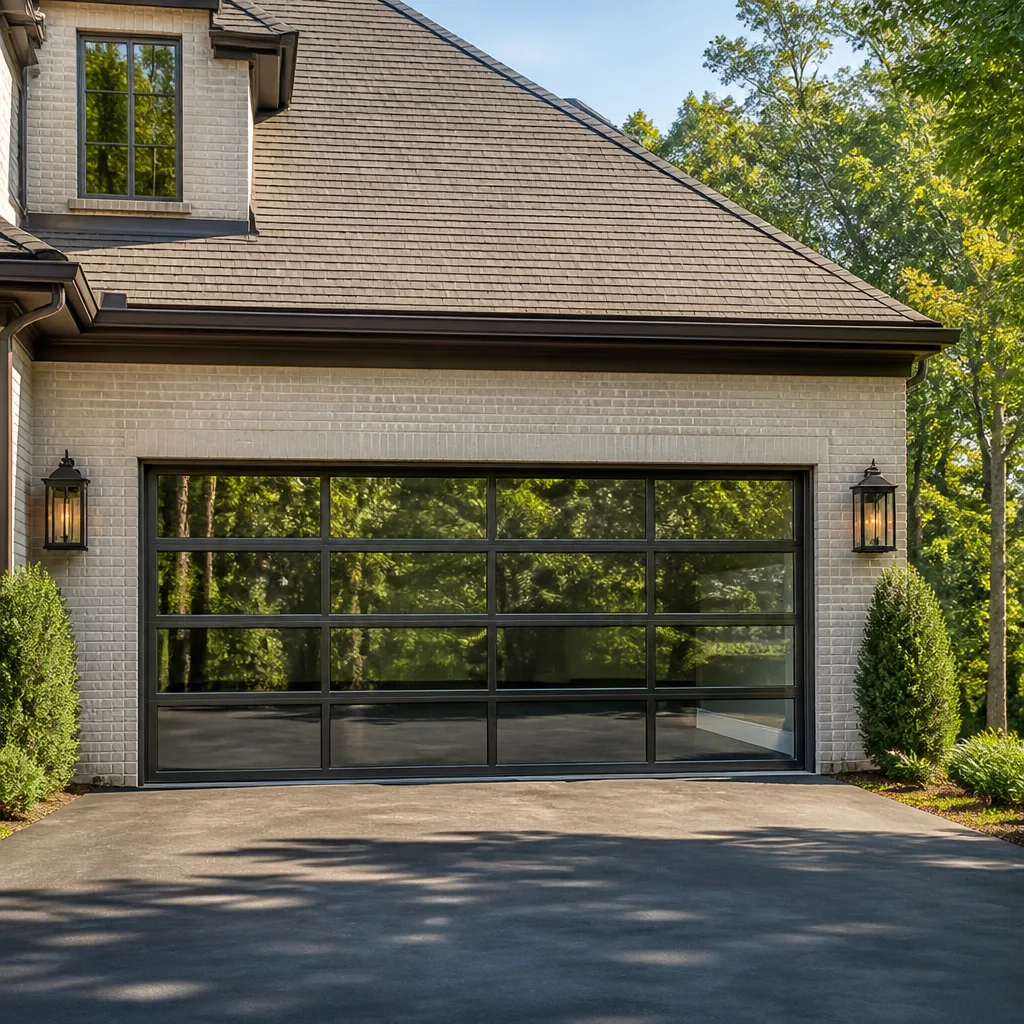 Full-view glass
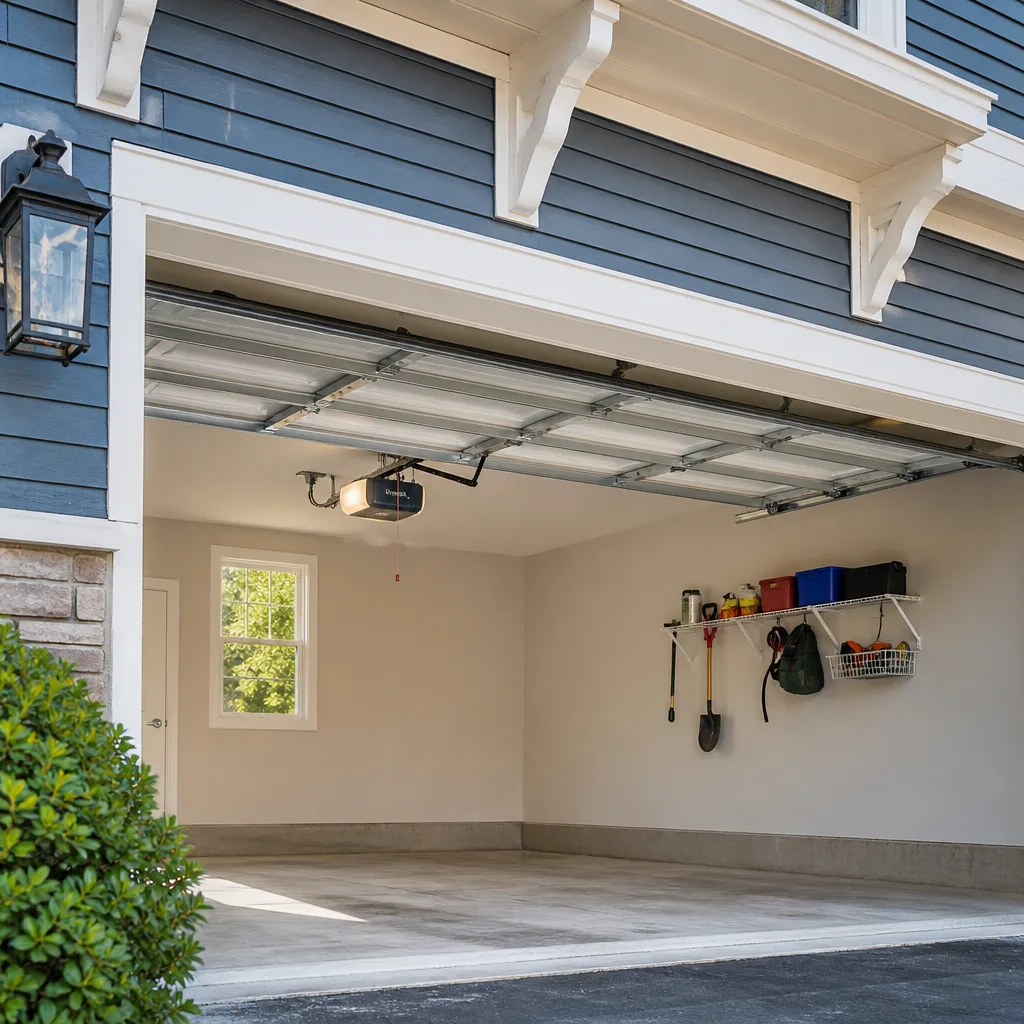 LiftMaster openers
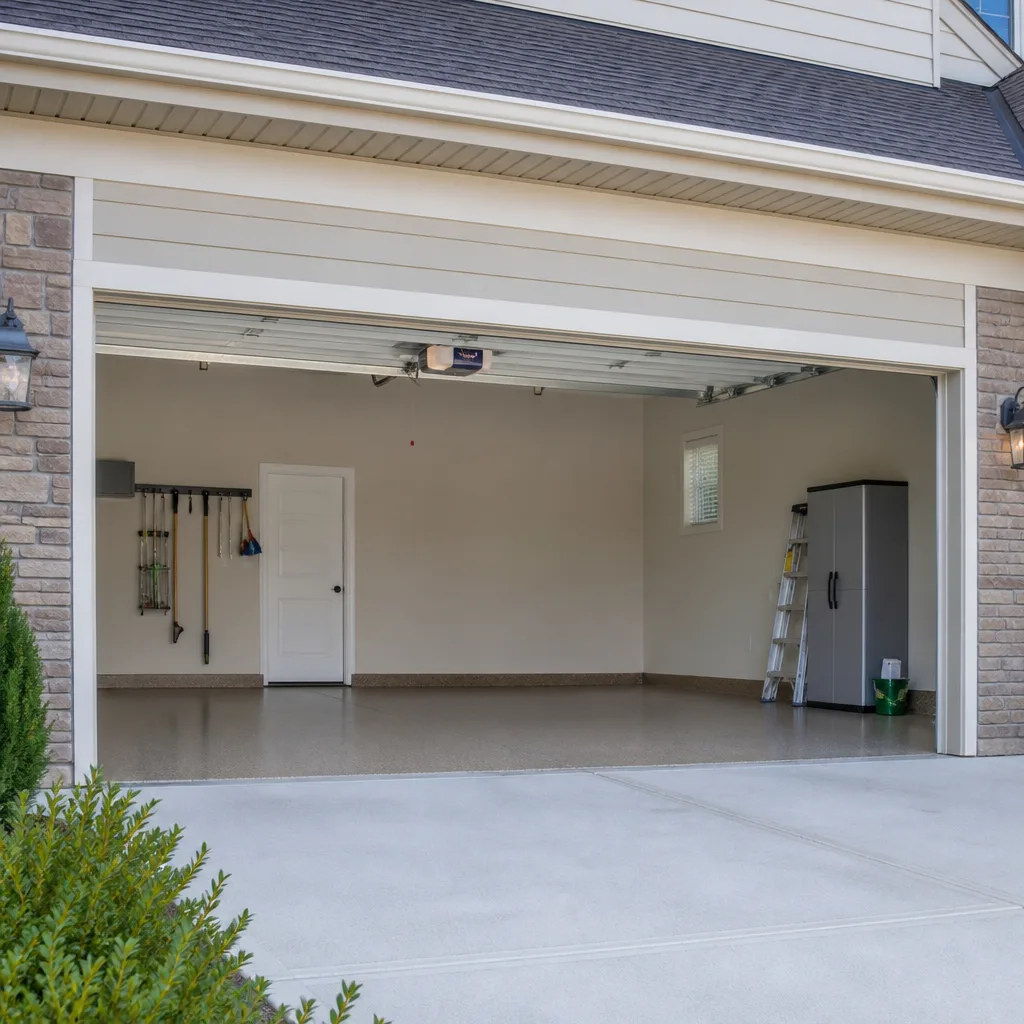 Chamberlain openers
Full 25-point door and opener safety check with every visit - springs, cables, rollers, tracks, and your LiftMaster or Chamberlain opener included
You get a price before we start. It does not change when the truck arrives.
Get your free estimateSeasonal Garage Door Care for Long Beach: Year-Round Homeowner’s Guide
Long Beach homeowners go years without touching their garage door hardware. Not because they’re neglectful, but because nothing dramatic ever seems to go wrong. No frozen springs. No ice-jammed tracks. No snow load on the panels. And yet the marine layer rolls in most mornings, the Santa Anas whip through in September and October, and the summer sun beats down on metal that expands and contracts with every temperature swing. Salt air corrodes what it touches. Moisture works its way into seals and bearings. The damage accumulates slowly, invisibly, until one afternoon the door won’t open or a spring lets go. This guide explains what actually happens to garage doors in Long Beach, California across each stretch of the year, what to check, when to act, and the single annual task that prevents most of what we end up repairing. For more guides & resources, see our blog.
Styles & brands we work with
Quick Answer
Seasonal garage door care in Long Beach comes down to protecting the door from salt air corrosion, moisture damage from the marine layer, and thermal expansion during summer heat spikes. For a deeper dive, see The Complete Guide to Garage Door in Long Beach. The highest-value maintenance window is spring, after the wet season ends, when you can inspect seals, lubricate moving parts, and correct any corrosion that accumulated over winter. One annual task – a full lubrication and seal inspection in March or April – addresses about 80% of the Long Beach-specific wear we see on service calls.
Table of Contents
- Winter in Long Beach: Marine Layer Moisture Damage (Nov – Feb)
- Spring Service Window: The Highest-Value Maintenance in Long Beach (Mar – May)
- Summer Heat Cycles: Thermal Expansion and Balance (Jun – Aug)
- Fall Santa Ana Prep: Wind Season Readiness (Sep – Oct)
- The One Annual Task That Prevents Most Long Beach Repairs
- Common Mistakes to Avoid
- When to Call a Professional
- Frequently Asked Questions
- The Bottom Line
Winter in Long Beach: Marine Layer Moisture Damage (Nov – Feb)
Long Beach winter doesn’t look like winter anywhere else in the country. Daytime temperatures hover in the 60s, rain comes in short bursts, and the marine layer settles in most mornings between November and February. That marine layer is the culprit most homeowners underestimate. It’s not a drizzle. It’s a slow, persistent humidity that sits against your garage door for hours at a stretch, working its way into every seam, seal, and unpainted surface.
What we see in our repair work during Long Beach winters: bottom seals that looked fine in October have cracked or separated by February. Steel tracks near the floor start showing surface rust, especially where the track brackets attach to the concrete. Roller bearings that were quiet in the fall begin to squeak or grind. None of these failures happen overnight. They build over the wet season, and because the door still operates, homeowners file the noise and stiffness away as “normal.” It isn’t.
Here’s what the marine layer does to specific components:
- Bottom seals and weatherstripping: Rubber and vinyl seals absorb moisture, then dry out when the sun returns. After 10 to 12 cycles of this, the material loses flexibility and cracks. Once cracked, the seal no longer blocks water, debris, or insects.
- Unpainted steel tracks: Most garage door tracks are galvanized, which offers some protection. But the cut ends, mounting brackets, and any scratched areas are exposed steel. Salt air accelerates rust there. Long Beach’s proximity to the coast means every home within about three miles of the water gets measurable salt deposition.
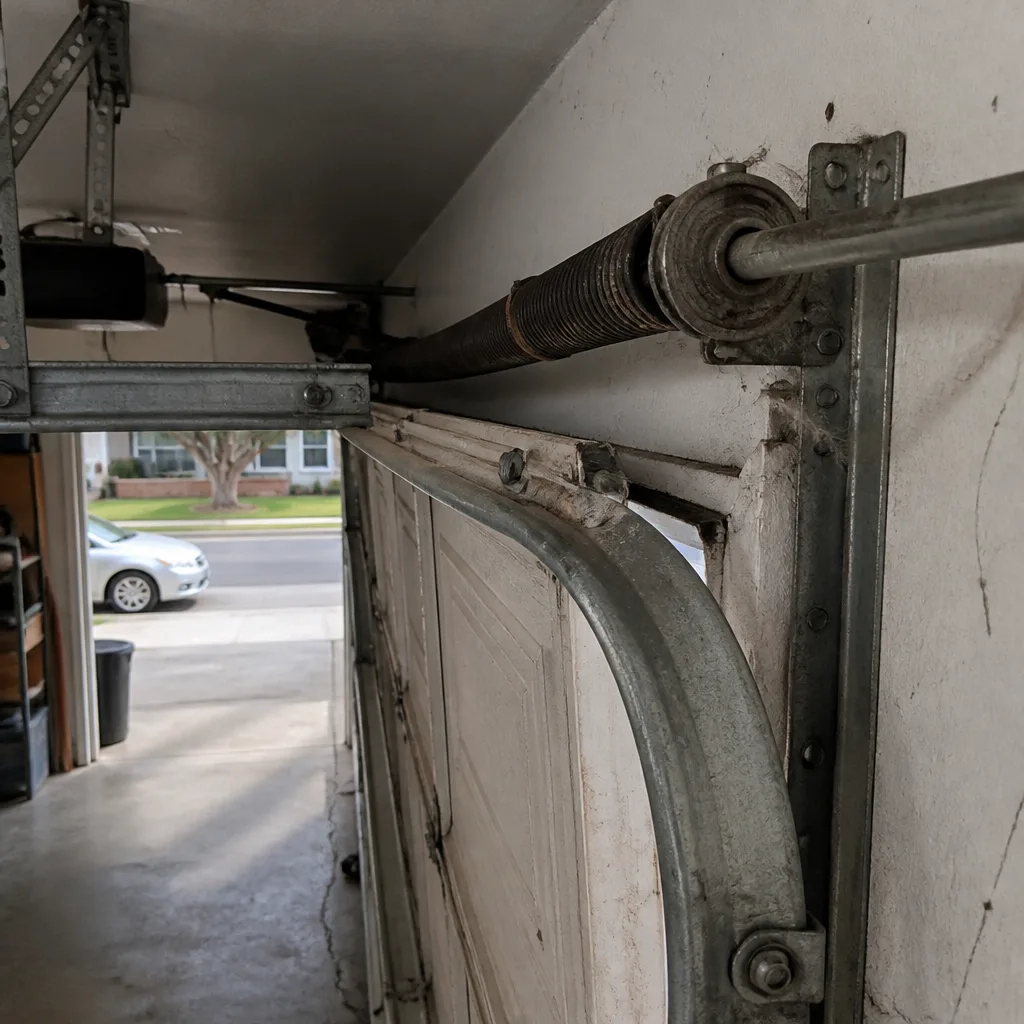
- Springs (torsion and extension): Springs are coated, but the coating wears at contact points. Moisture gets under the coating, and corrosion starts where you can’t see it. A corroded spring eventually snaps. This is a safety concern – torsion springs are under high tension, and replacement should always be handled by a trained professional.
- Opener chain or belt: Chain drives collect moisture and surface rust, which increases friction on the sprocket. Belt drives resist moisture better, but the pulleys and bearings still need attention.
What to do in winter:
- Inspect the bottom seal on both sides of the door and along the floor line. Look for gaps, cracks, or sections that no longer press against the concrete.
- Wipe down accessible track surfaces with a dry cloth after heavy morning fog. This takes two minutes and removes salt residue before it can sit for days.
- Listen to the door operate. A squeak, squeal, or grinding sound means a bearing or roller lacks lubrication or has begun to corrode.
- Check the opener’s force settings indirectly: if the door reverses when closing onto the floor, or struggles to open, the springs may be weakening from corrosion.
If the bottom seal has pulled away or the track shows rust at the floor line, don’t wait until spring. These issues get more expensive the longer they sit. Our garage door repair service in Long Beach handles seal replacement, track cleaning, and spring inspection year-round.
Spring Service Window: The Highest-Value Maintenance in Long Beach (Mar – May)
If you do nothing else on this list, do the spring service. March through May is the single most valuable window for garage door maintenance in Long Beach because the marine layer has just spent four months working against your hardware, and the dry season hasn’t yet begun its thermal cycling. You can assess winter damage before summer heat compounds it.
Think of it this way: a bottom seal that costs $30 to $60 to replace in April becomes a water-damaged door panel that costs several hundred dollars by the following January. A roller bearing that gets lubricated in March runs quietly for another year. The same bearing left dry through summer heat and fall wind will seize, wear flat, and chew into the track by December. The pattern holds across nearly every component we repair.
Spring service checklist for Long Beach homeowners:
- Lubricate everything that moves: Rollers, hinges, springs, and the opener chain or belt. Use a silicone-based or lithium-based garage door lubricant – never WD-40, which displaces moisture but leaves no lasting lubrication film.
- Inspect and replace the bottom seal if needed: If the seal shows any cracks, flattening, or gaps, replace it now. This is a $30 to $60 part and prevents the most expensive damage we see season over season in Long Beach.
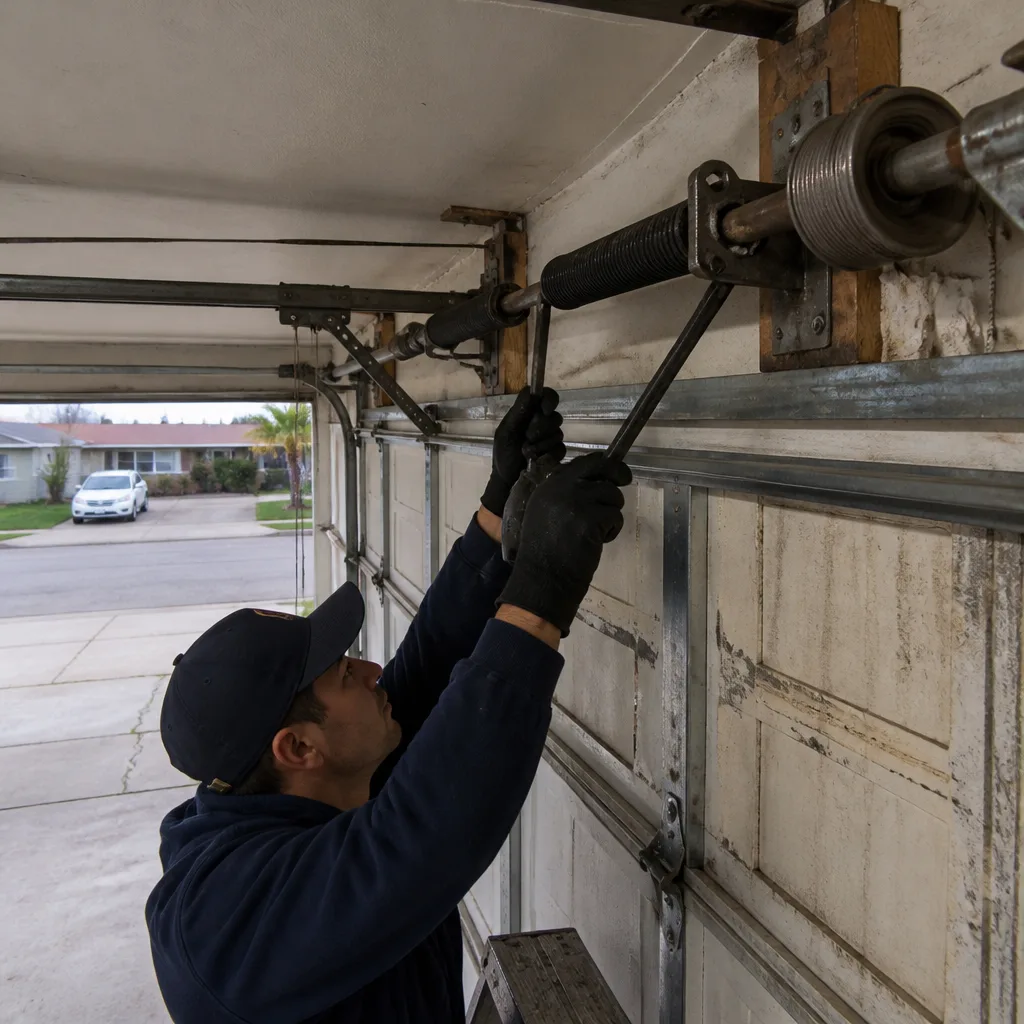
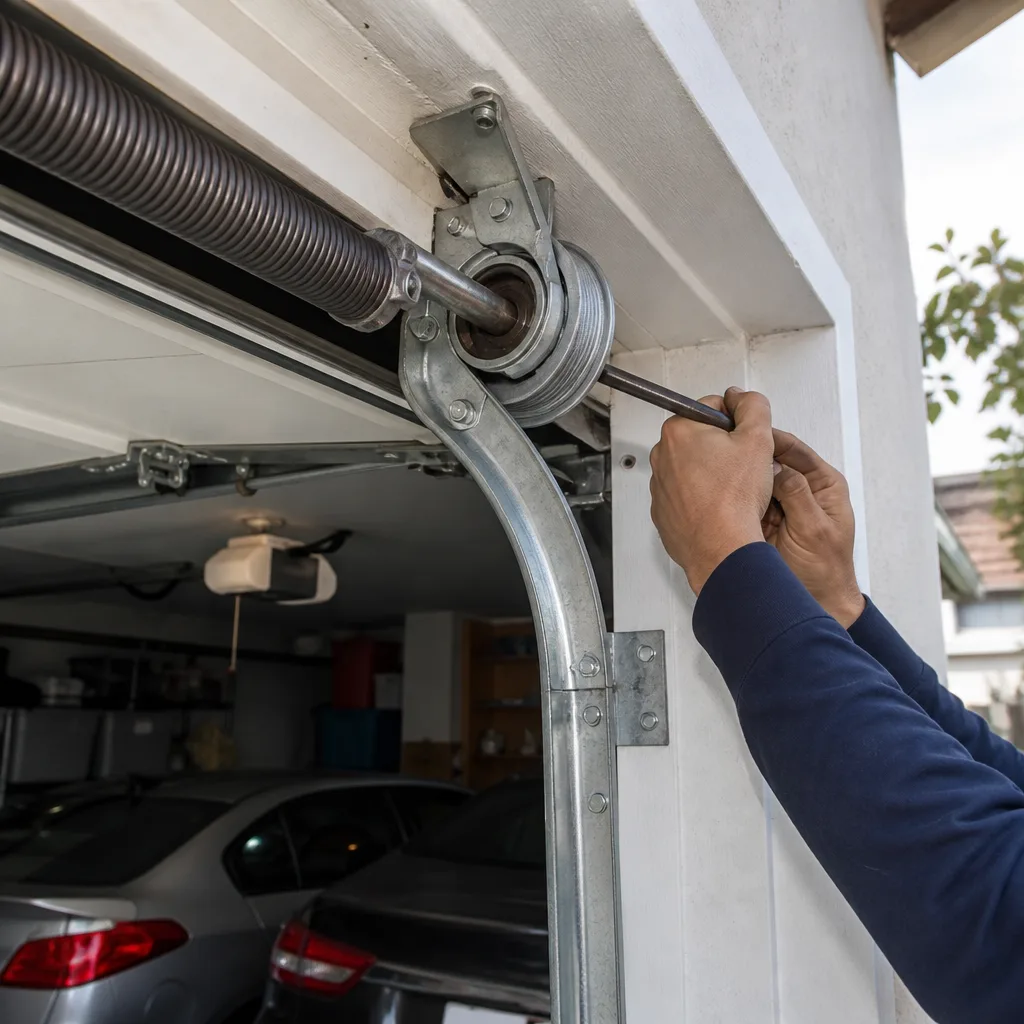
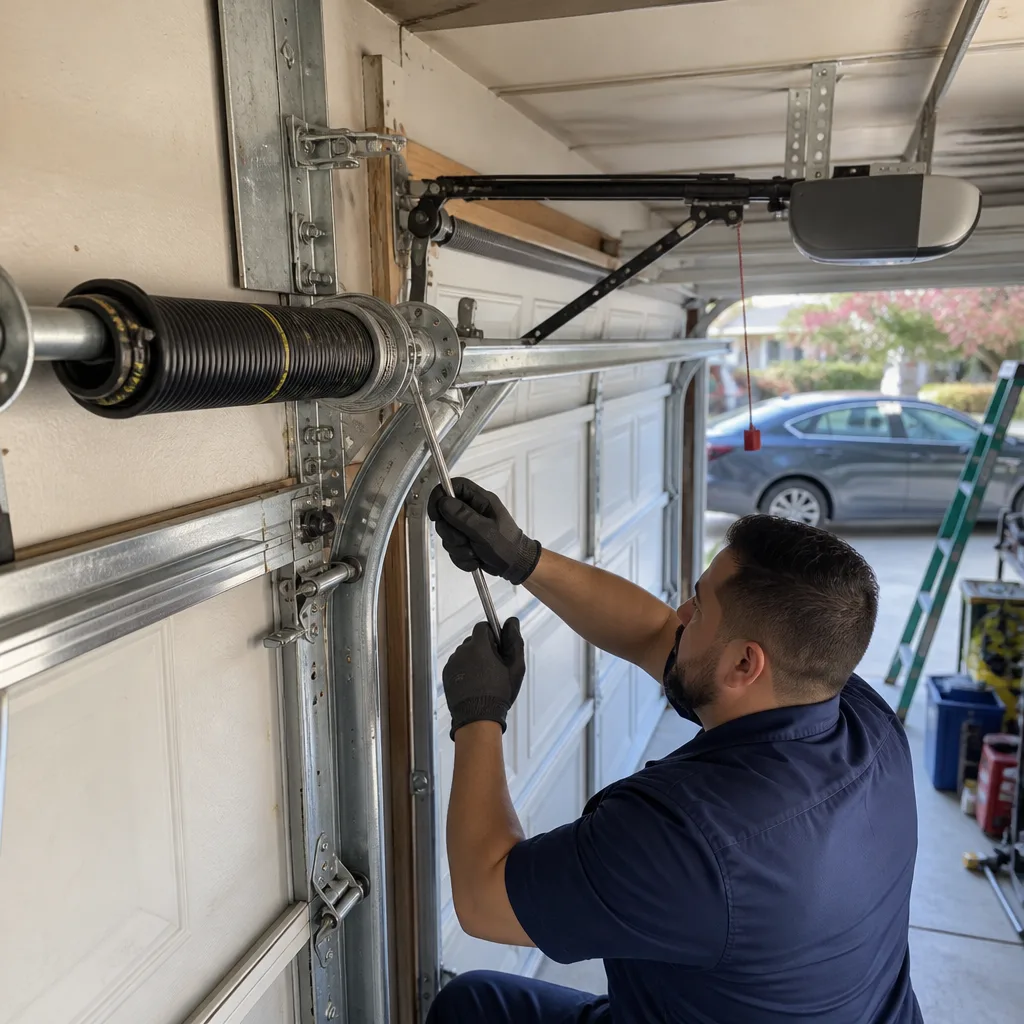
- Check spring condition: With the door closed, look at the torsion spring above the door. Visible gaps in the coil, rust patches, or a door that feels heavy when manually opened indicate spring wear. Springs have a finite lifespan measured in cycles, not years, and a door that opens four or five times daily in Long Beach accumulates roughly 1,500 to 1,800 cycles per year.
- Test the balance: Disconnect the opener (pull the red release handle) and lift the door manually to waist height. It should stay in place without assistance. If it falls, the springs are losing tension and need professional adjustment. Do not attempt spring work yourself – torsion springs store enough energy to cause serious injury.
- Check all bolts, nuts, and fasteners: Vibration from daily operation loosens hardware over time. Tighten everything accessible, including track brackets and hinge plates.
We’ve worked on doors in Naples, Belmont Shore, and Bixby Knolls that are 15 or 20 years old and still operate smoothly because someone maintained them consistently. We’ve also replaced five-year-old doors in the same neighborhoods that were never lubricated once. The maintenance, not the door brand, is the difference. Whether you have a Clopay, an Amarr, or a Wayne Dalton panel, the service needs are the same. For homeowners who want this done correctly the first time, our garage door installation team in Long Beach also provides full system tune-ups when a new door isn’t the right answer.
Summer Heat Cycles: Thermal Expansion and Balance (Jun – Aug)
Long Beach summers are mild by Southern California standards – the marine layer keeps temperatures moderate compared to inland areas – but June through August still brings heat spikes into the 90s, and the daily temperature swing between morning and afternoon can exceed 25 degrees. That swing is what matters for your garage door.
Steel and aluminum expand when heated. Different components expand at different rates because they’re different materials, different thicknesses, and different colors. A dark-colored steel door facing west in Lakewood or East Long Beach absorbs significantly more solar heat than a white door facing north in the same block. The panels expand, the track stays cooler, and the fasteners that connect them experience repeated stress as the assembly grows and shrinks every single day.
Here’s what thermal cycling does over a Long Beach summer:
- Panels warp or bow slightly: Steel panels with dark paint can develop visible waves or ripples along their surface. This is cosmetic at first but can progress to structural if fasteners loosen.
- Balance shifts: As panels expand, the door’s effective weight and center of gravity shift microscopically. A door that was perfectly balanced in April may be slightly off by August. The opener compensates, which increases wear on the opener gears.
- Section joints flex: The hinges connecting panels absorb stress as panels expand at different rates. Hinge screws can back out, and hinge pins can develop play.
- Opener strain increases: If the door is slightly out of balance, the opener motor works harder on every cycle. In summer, motor heat adds to ambient heat, which shortens opener lifespan. This is why opener problems in Long Beach cluster in August and September.
Summer maintenance steps:
- Check the door balance once per month during the hottest stretch. The manual lift test takes 30 seconds.
- Look for visible warping or ripples in the panel surfaces, especially on south-facing and west-facing doors.
- If the door seems to close more slowly than it did in spring, the springs or balance may be shifting. Don’t ignore it – the opener is compensating, and that’s expensive wear.
- For homes with smart or connected openers from Genie or LiftMaster, check that the opener’s app isn’t showing repeated force adjustments or error codes. These indicators often signal that the mechanical system is fighting the opener.
- Check bottom seal integrity: Wind-blown dust and leaves enter through gaps in the seal. More importantly, a door that doesn’t seal tightly against the floor is more prone to wind-induced movement. Replace any seal that’s cracked or flattened.
- Tighten all panel fasteners and track brackets: Walk the door’s perimeter with a socket wrench. Every bolt, every nut, every bracket screw. Wind will find whatever is loose and make it looser.
- Test the opener force settings: A door that reverses too easily on closing will struggle against wind pressure. A door that doesn’t reverse easily enough is a safety hazard. Most modern openers auto-set force, but older units with manual adjustment dials need checking.
- Inspect the weatherstripping around the door frame: Side and top seals keep wind from whistling through the gaps. These are cheap to replace and make a meaningful difference in both energy efficiency and door stability.
- Clear the area around the door track: Santa Ana winds can blow lightweight objects into the track path. A cardboard box or yard debris wedged in the track will cause an opener to reverse or a cable to jump.
- Buy the right lubricant: White lithium grease, silicone spray, or a dedicated garage door lubricant. Avoid WD-40 as a lubricant – it’s a solvent and will strip existing grease.
- Close the door and disconnect the opener (pull the red release handle). You’ll need to operate the door manually during this process.
- Lubricate the rollers: Apply lubricant to each roller’s bearing area, not the track. The track should stay dry so the rollers grip properly.
- Lubricate the hinges: The pivot points where each hinge folds. A few drops at each pin.
- Lubricate the springs: Torsion springs need lubricant along their entire coil length. Extension springs need it at the pulley contact points.
- Lubricate the opener chain or belt if it’s a chain drive. Belts don’t need lubricant.
- Apply the seal treatment: If the bottom seal is intact but stiff, a rubber conditioner extends its life. If it’s cracked, replace it.
- Using WD-40 on rollers and hinges: WD-40 cleans and displaces moisture, but it evaporates quickly and leaves parts dry. Within weeks, your hardware is less lubricated than before. Use lithium grease or silicone spray instead.
- Ignoring a squeak because the door “still works”: A squeak is a bearing or roller running dry. The component will fail eventually – usually at the worst possible moment. The fix is lubrication now, replacement later if you wait.
- Skipping spring inspections because springs “look fine”: Spring wear happens where you can’t see it. A professional inspection checks for coil separation, rust at contact points, and fatigue indicators that aren’t visible from the outside.
- Adjusting opener force settings upward to compensate for a stiff door: If the door is binding or stiff, the mechanical issue needs repair – not a stronger opener. Cranking force settings is a safety hazard, especially with children or pets in the home.
- Oil-lubricating the track: Garage door tracks should stay dry. Oil or grease on the track attracts dirt and debris, which creates a grinding compound that wears rollers faster.
- Waiting until the seal completely fails before replacing it: A bottom seal with minor cracking still keeps out some water, so homeowners delay. But once cracks form, the seal declines rapidly. Replace at the first sign of cracking, not after water has already damaged the panel.
Opener issues deserve special attention because they compound silently. A Genie or LiftMaster opener with a failing capacitor or worn gear may work fine for weeks, then quit entirely on the warmest afternoon of the year. Our garage door opener repair service in Long Beach specializes in diagnosing these issues before complete failure, with no need to refer you elsewhere regardless of which brand is mounted to your ceiling.
Fall Santa Ana Prep: Wind Season Readiness (Sep – Oct)
Santa Ana winds hit Long Beach between September and November, typically peaking in October. These northeast winds sweep down through the passes and can gust 40 to 60 mph in the Long Beach area, with stronger bursts in exposed locations. For a garage door, sustained wind is a different stressor than anything else in the Long Beach climate cycle.
Wind pushes against the door face, creating pressure that tries to push the door inward or pull it outward, depending on wind direction relative to the opening. This stress transfers to the panel fasteners, the track brackets, and the bottom seal. Doors with loose hardware rattle and bang during wind events, which loosens things further. Doors with worn bottom seals let dust and debris blow in – and Santa Ana winds carry plenty of both.
Santa Ana season preparation:
If you’re in an area of Long Beach that catches the full force of the winds – Signal Hill, or higher-elevation streets in the eastern part of the city – pay particular attention to panel fasteners. We’ve seen doors with entire lower panels pulled loose from their hinges because half a dozen screws had backed out over the summer and no one checked.
The One Annual Task That Prevents Most Long Beach Repairs
The single highest-value action for Long Beach homeowners is this: in March or early April, lubricate every moving part and replace the bottom seal if it shows any cracking or flattening. That’s it. One afternoon, roughly two hours, less than $40 in materials if the seal needs replacing.
Why this one task matters so much: lubrication protects against moisture damage from the marine layer, which is Long Beach’s dominant wear factor. The bottom seal replacement protects against water intrusion, pest intrusion, and air leakage, which are the three most common downstream problems we repair. Together, these two actions address roughly 80% of the Long Beach-specific garage door issues we see on service calls.
How to do it:
Do this every spring and you’ll catch most problems before they become repairs. You’ll also extend the lifespan of your opener, reduce noise, and keep the door operating smoothly through every season Long Beach throws at it. If you’d rather have a professional handle it, this is exactly the type of preventive maintenance our team performs on a regular basis – and it takes us about an hour, not an afternoon. Call Blackstone Garage Door Repair at (866) 477-5637 to schedule.
Common Mistakes to Avoid
When to Call a Professional
Some garage door work is safe and reasonable to handle yourself: lubrication, tightening visible fasteners, visual inspections, bottom seal replacement. For everything else, consult The Complete Garage Door Repair Guide for Long Beach Homeowners. Other work is not. Torsion springs are under enough tension to cause severe injury or death if they release unexpectedly. Cables carry the same risk. Track realignment requires specialized tools and experience. Opener replacement involves electrical work and safety programming.
Call a professional if you notice a broken spring, a frayed or snapped cable, a door that’s come off its track, or an opener that makes grinding noises or won’t respond. Also call if your door is heavy to lift manually or falls when released at waist height – both indicate spring failure. Blackstone Garage Door Repair offers free estimates in Long Beach – call (866) 477-5637.
Frequently Asked Questions
Service your garage door once per year in Long Beach, ideally in spring after the marine layer season ends. Lubricate moving parts, inspect the bottom seal, check spring condition, and test door balance. This annual routine prevents the majority of corrosion-related and wear-related failures we see in the Long Beach area. Call (866) 477-5637 if you’d prefer a professional to handle the inspection.
Yes – the marine layer deposits salt and moisture on exposed metal surfaces, accelerating rust on tracks, rollers, springs, and fasteners. Homes within about three miles of the coast experience the most significant salt air exposure, but even inland Long Beach neighborhoods get measurable moisture from morning fog. Wiping down accessible track surfaces and lubricating metal parts in spring addresses this damage before it becomes serious.
A full garage door maintenance service in Long Beach – including lubrication, seal inspection and replacement, hardware tightening, spring and cable inspection, and opener testing – typically runs $95 to $150. A bottom seal replacement alone costs $30 to $60 for the part, plus labor if professionally installed. Prices vary by door type, opener brand, and access difficulty. Call (866) 477-5637 for an exact quote – estimates are free.
Yes – lubricating rollers, hinges, springs, and the opener chain is a safe and straightforward task for most homeowners. Use white lithium grease or silicone spray, never WD-40. Disconnect the opener and operate the door manually while lubricating. If you’re unsure about reaching the torsion spring or uncomfortable on a ladder, Blackstone Garage Door Repair can perform the lubrication as part of a standard maintenance visit.
Morning noise followed by afternoon quiet is typically moisture-related. The marine layer adds humidity overnight, which changes how moving parts interact – expanding rubber seals slightly, adding surface moisture to rollers and bearings. Once the sun burns off the moisture and temperatures rise, the noise subsides. Persistent squeaking or grinding that continues all day indicates dry bearings or rollers that need lubrication or replacement.
Look for visible gaps in the spring coil, rust patches on the spring surface, a door that feels heavy when lifted manually, or a door that falls when released at waist height. Salt air from the Long Beach marine layer accelerates spring corrosion, so springs in coastal neighborhoods often fail before their rated cycle count. Spring replacement is not a DIY job – torsion springs require professional tools and training to replace safely.
The Bottom Line
Long Beach’s climate doesn’t punish garage doors with dramatic seasonal damage. It punishes them with slow, quiet accumulation: salt air corrosion, marine layer moisture, daily thermal cycling, and the occasional battering from Santa Ana winds. Homeowners who understand these four mechanisms and respond proactively – lubricating in spring, checking seals after winter, monitoring balance through summer, tightening hardware before wind season – will get 15 or 20 years from a quality door. Those who don’t will likely replace panels, springs, and openers years sooner than necessary. One hour of annual maintenance, timed to early spring, prevents most of it. Blackstone Garage Door Repair serves homeowners across Long Beach with repair, opener service, and full installation – one call covers it. Reach us at (866) 477-5637 for a free estimate.
Written by the team at Blackstone Garage Door Repair, serving Long Beach since 2012.
See the difference
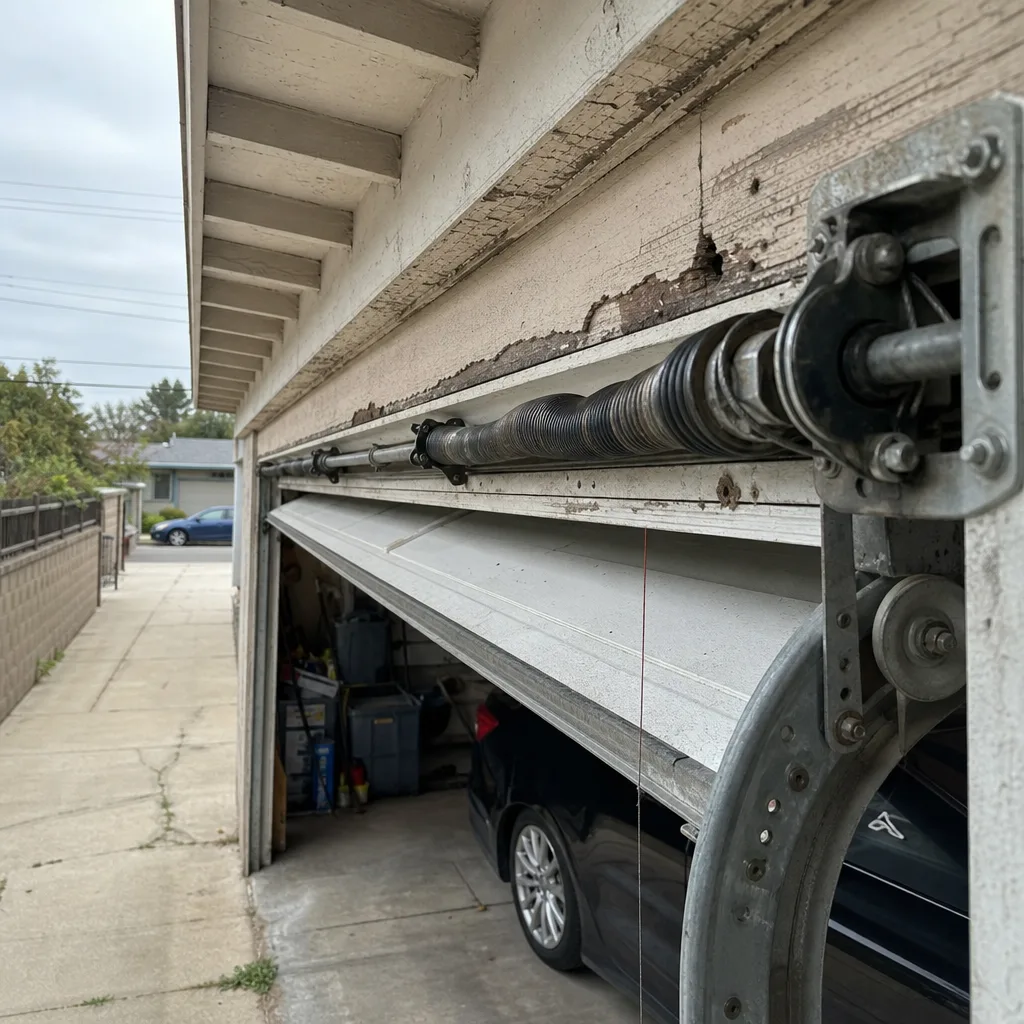 Before
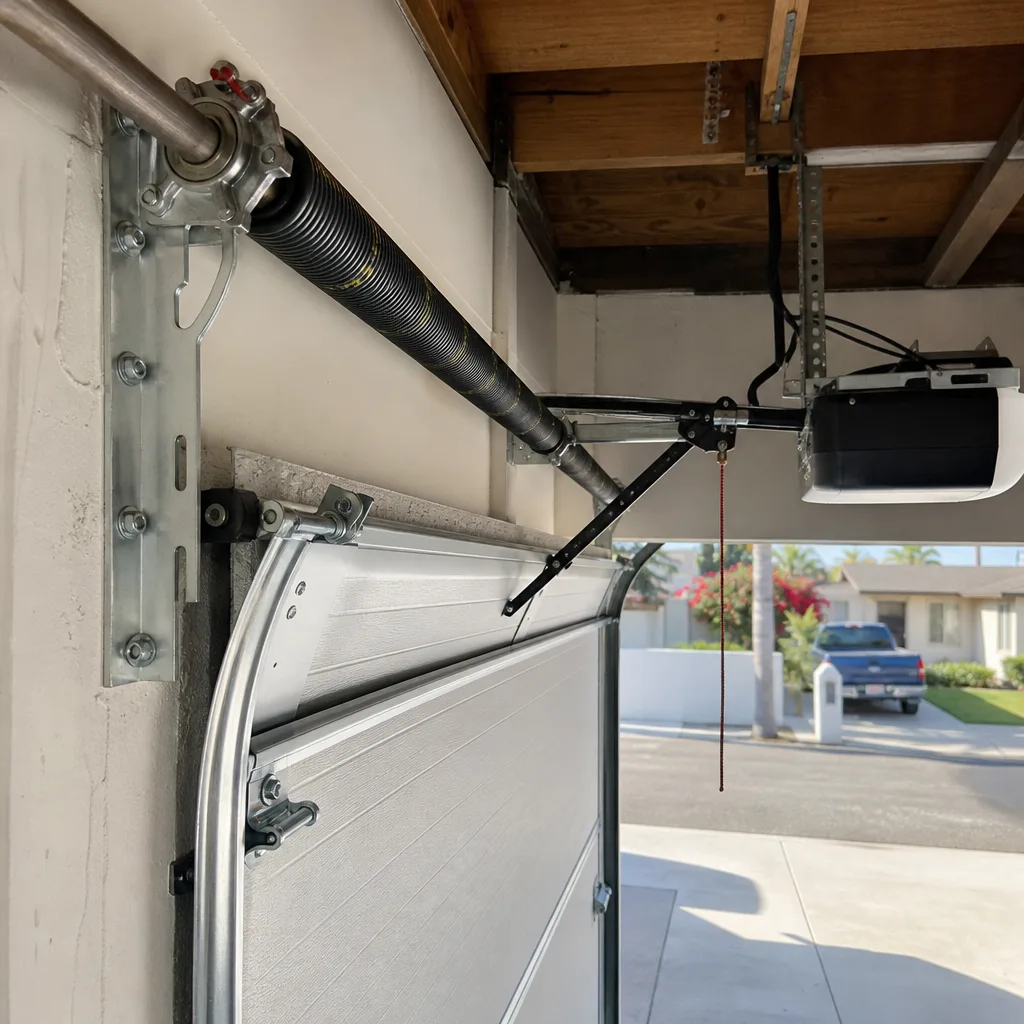 After
 Before
 After
 Before
 After