
Last updated October 30, 2026
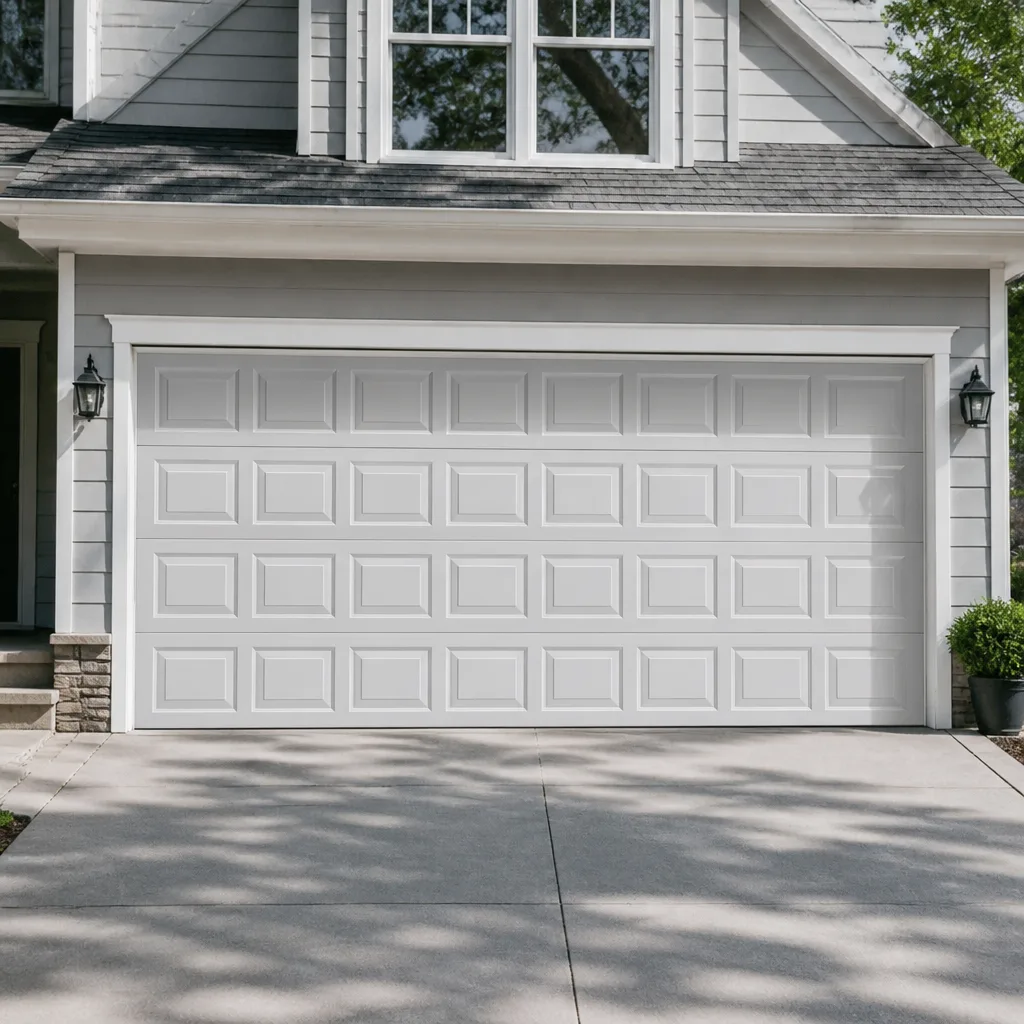 Raised-panel steel
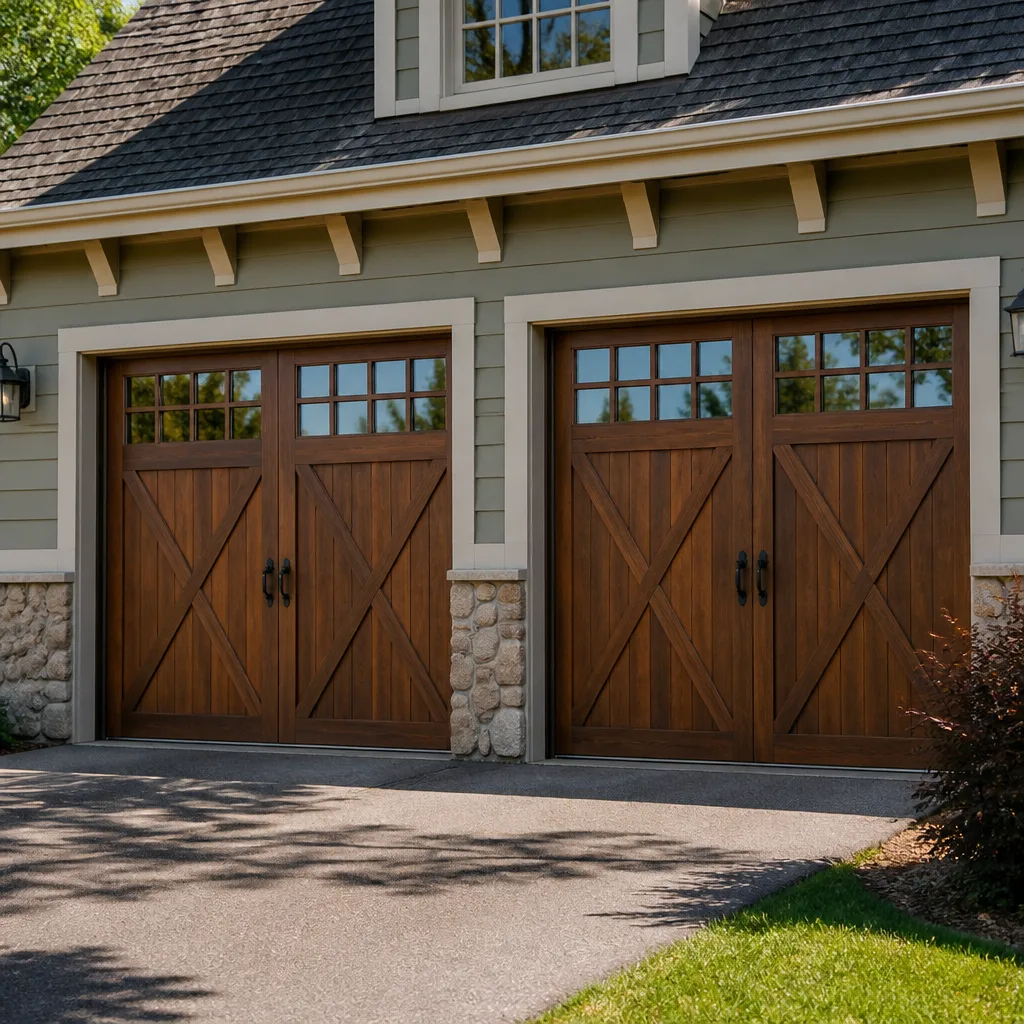 Carriage house
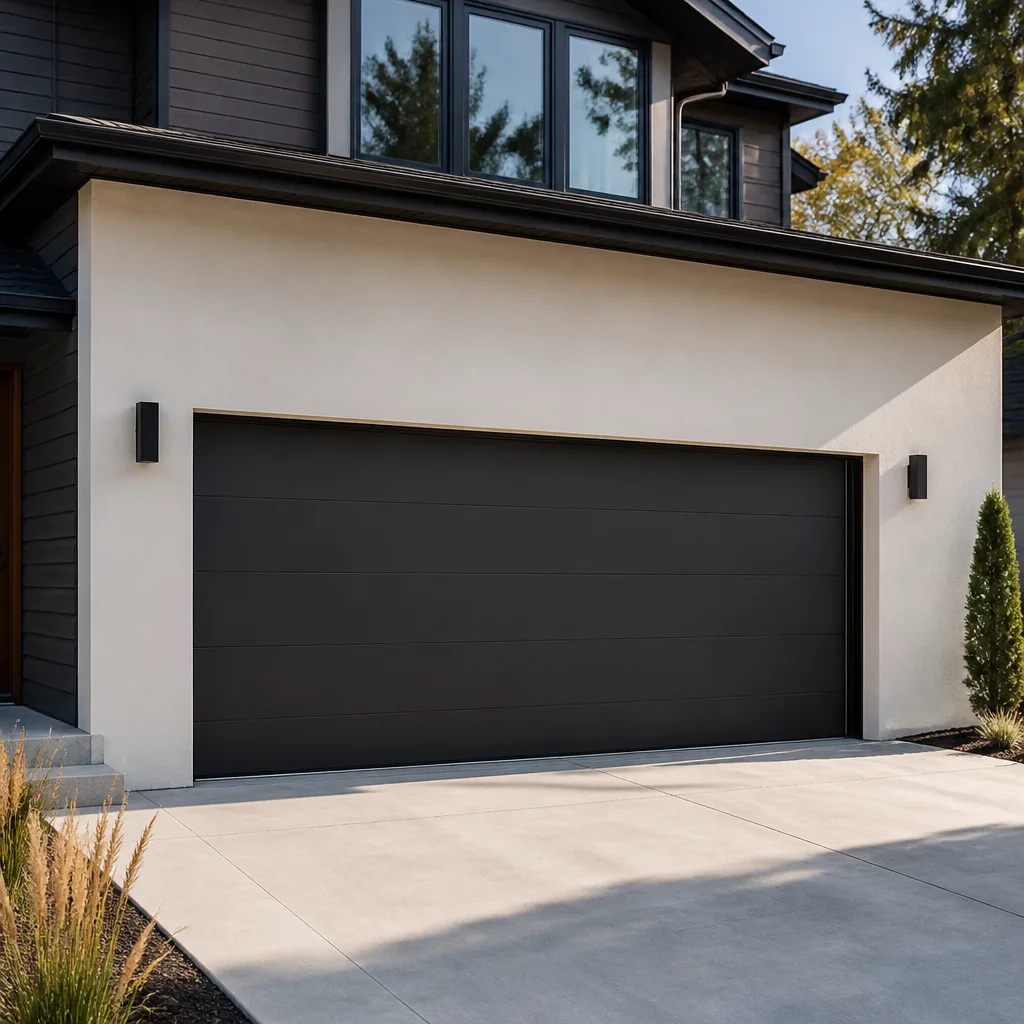 Modern flush
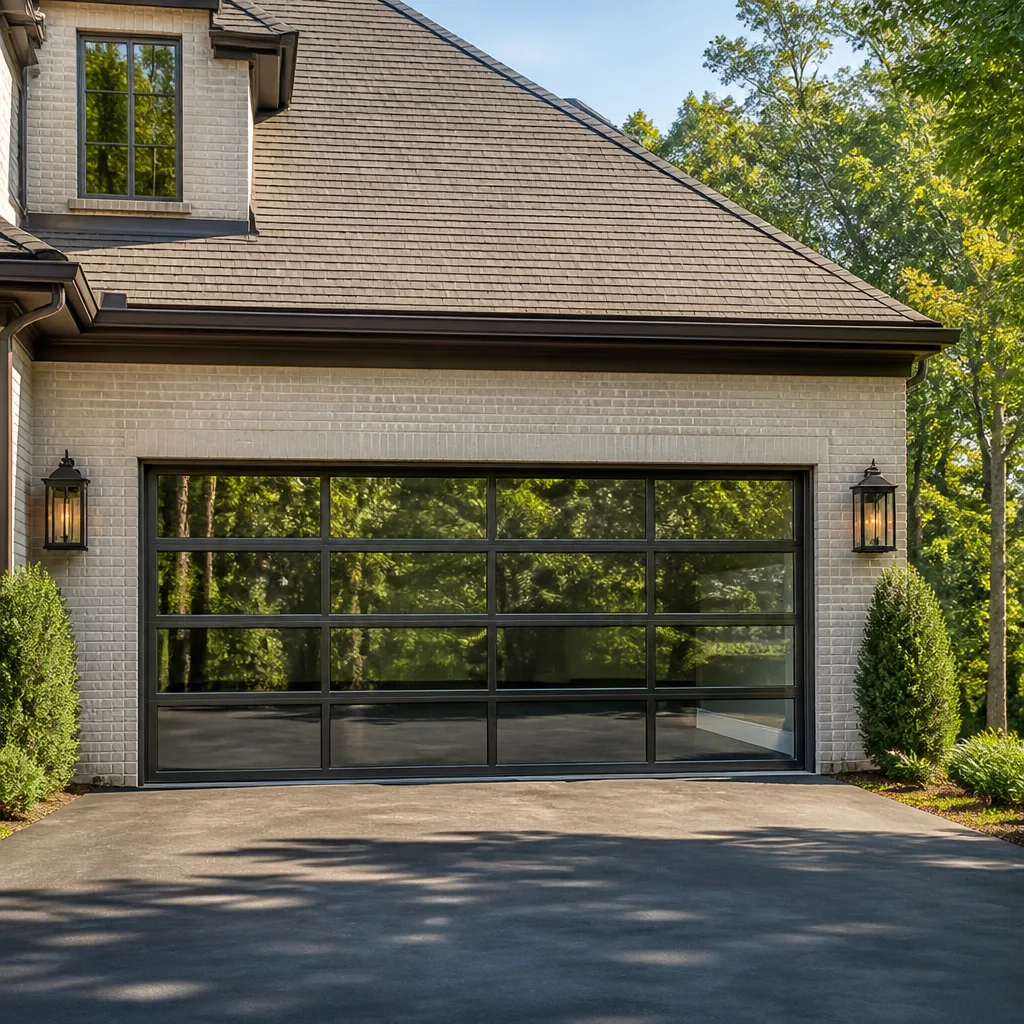 Full-view glass
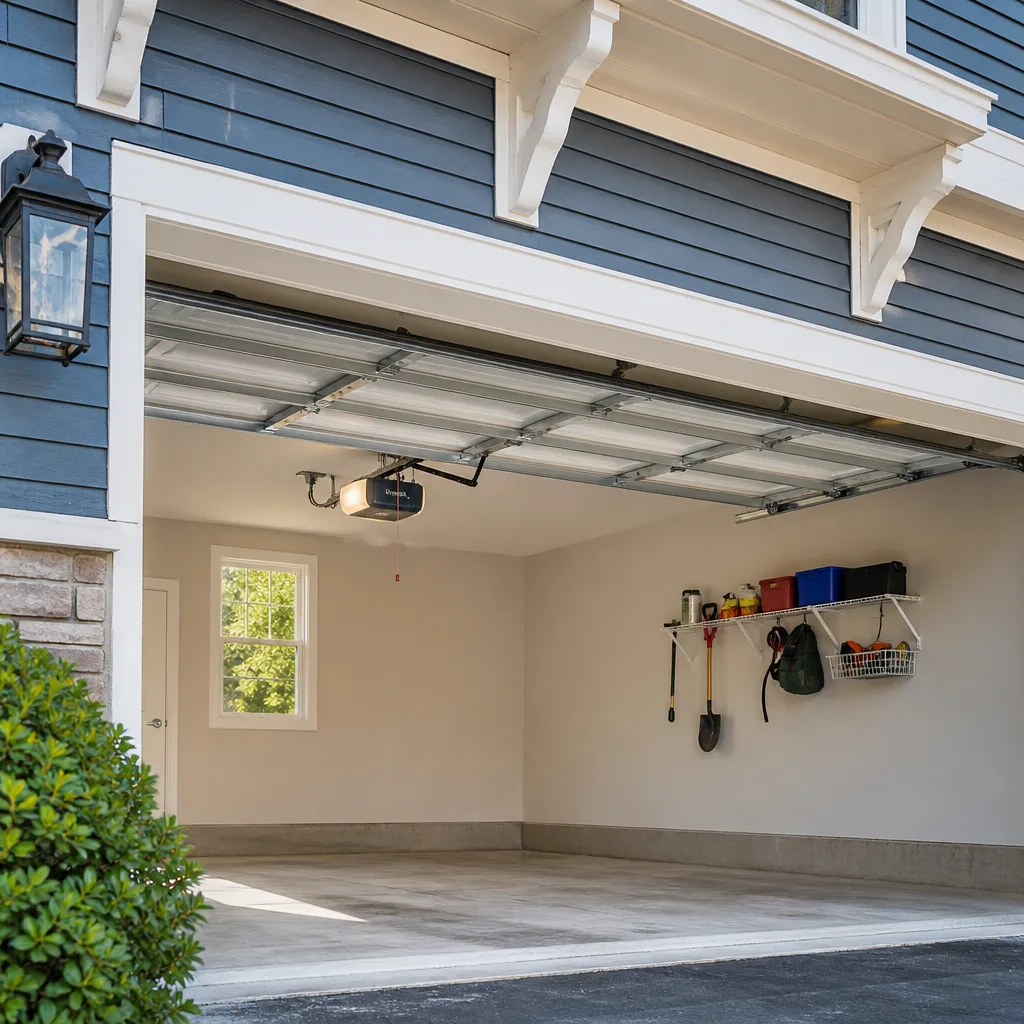 LiftMaster openers
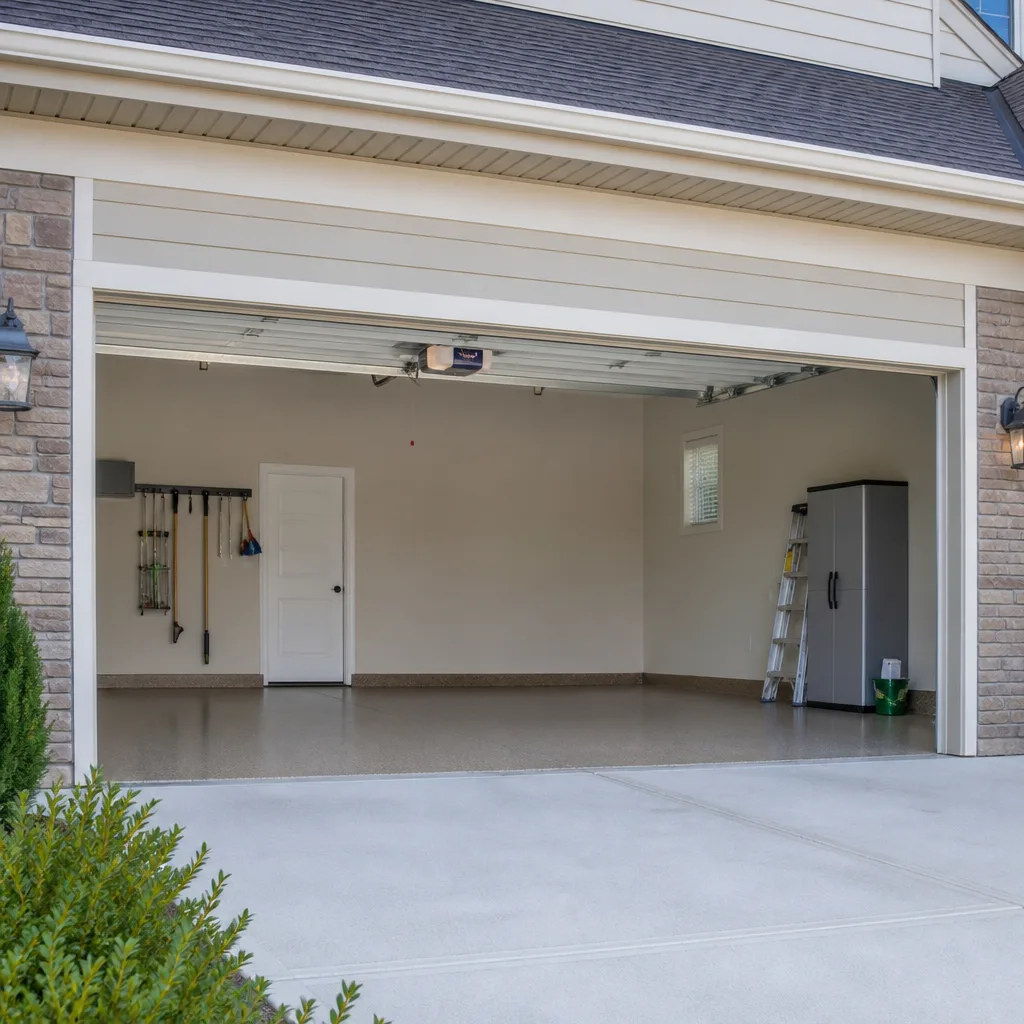 Chamberlain openers
Full 25-point door and opener safety check with every visit - springs, cables, rollers, tracks, and your LiftMaster or Chamberlain opener included
You get a price before we start. It does not change when the truck arrives.
Get your free estimateGarage Door Emergency Preparedness Guide for Long Beach Homes
During the most recent Southland power outage event, thousands of homeowners across Long Beach discovered their garage door opener had no battery backup, and their car was effectively locked inside. The manual release cord was there the whole time. Most people simply didn’t know how to use it. This guide covers the emergency scenarios specific to Long Beach: earthquakes, power outages, and tsunami-zone evacuations. You’ll learn exactly how to operate your garage door when nothing else works, which opener models hold up during extended outages, and what to inspect before touching that opener after a quake.
Quick Answer
Garage door emergency preparedness in Long Beach means knowing three things: how to pull the manual release cord and lift your door by hand during a power outage, how to spot structural damage after an earthquake before attempting any operation, and whether your opener has a reliable battery backup. If your door binds, sags, or makes grinding noises after any seismic event, leave it closed and call a professional at (866) 477-5637 for an inspection before you force it.
Styles & brands we work with
Table of Contents
- How to Operate Your Garage Door Manually During a Power Outage
- Battery Backup Openers: Which Ones Actually Work in Long Beach
- Post-Earthquake Garage Door Inspection: What to Check Before You Touch Anything
- Tsunami Zone Evacuation: Why Your Garage Door Matters More Than You Think
- The One Free Preparation Every Long Beach Homeowner Should Do This Weekend
- Common Mistakes to Avoid
- When to Call a Professional
- Frequently Asked Questions
How to Operate Your Garage Door Manually During a Power Outage
Every automatic garage door opener installed in the last four decades has a manual release mechanism. It’s the red rope or handle hanging from a trolley assembly near the top of the door opening. In a power outage, pulling this cord disconnects the door from the opener, allowing you to lift the door by hand. The procedure sounds simple. In practice, there are several things that can go wrong, especially if you’ve never done it before and you’re attempting it in the dark.
Here’s the step-by-step process for the most common opener types found in Long Beach homes, including Chamberlain and Genie models:
- Verify the door is fully closed. Never pull the release cord when the door is open. A disconnected door in the raised position can slam down with enough force to cause serious injury or damage.
- Locate the manual release cord. It hangs from a trolley on the opener rail, typically red with a plastic handle. On Chamberlain openers, it’s a red rope. On Genie units, it may be a red or yellow pull cord.
- Pull firmly straight down or toward the door. You should hear a click as the trolley disengages from the carriage. The door is now in manual mode.
- Lift the door using the exterior handle or gripping the bottom edge. A properly balanced door should lift with manageable effort and stay open about three to four feet off the ground on its own.
- Raise the door fully and verify it stays in position. If the door feels unusually heavy or drifts down, the torsion springs may be worn or broken. Do not force it.
One detail many homeowners miss: after the power returns, you need to reconnect the door to the opener. Pull the release cord again while the door is down, then press the wall button or remote. The trolley should re-engage on the next cycle. If you hear grinding or the door doesn’t reconnect cleanly, the opener may need adjustment.
In Long Beach neighborhoods like Belmont Heights, Bluff Park, and El Dorado Park, doors face different conditions. Coastal salt air accelerates wear on springs and cables, which can affect manual operation. A door that lifts smoothly in a newer inland tract home may be considerably stiffer in a 1940s Craftsman bungalow near the water. We’ve seen spring failures in Naples homes that had nothing to do with earthquake activity, just years of marine-layer corrosion working on the coils.
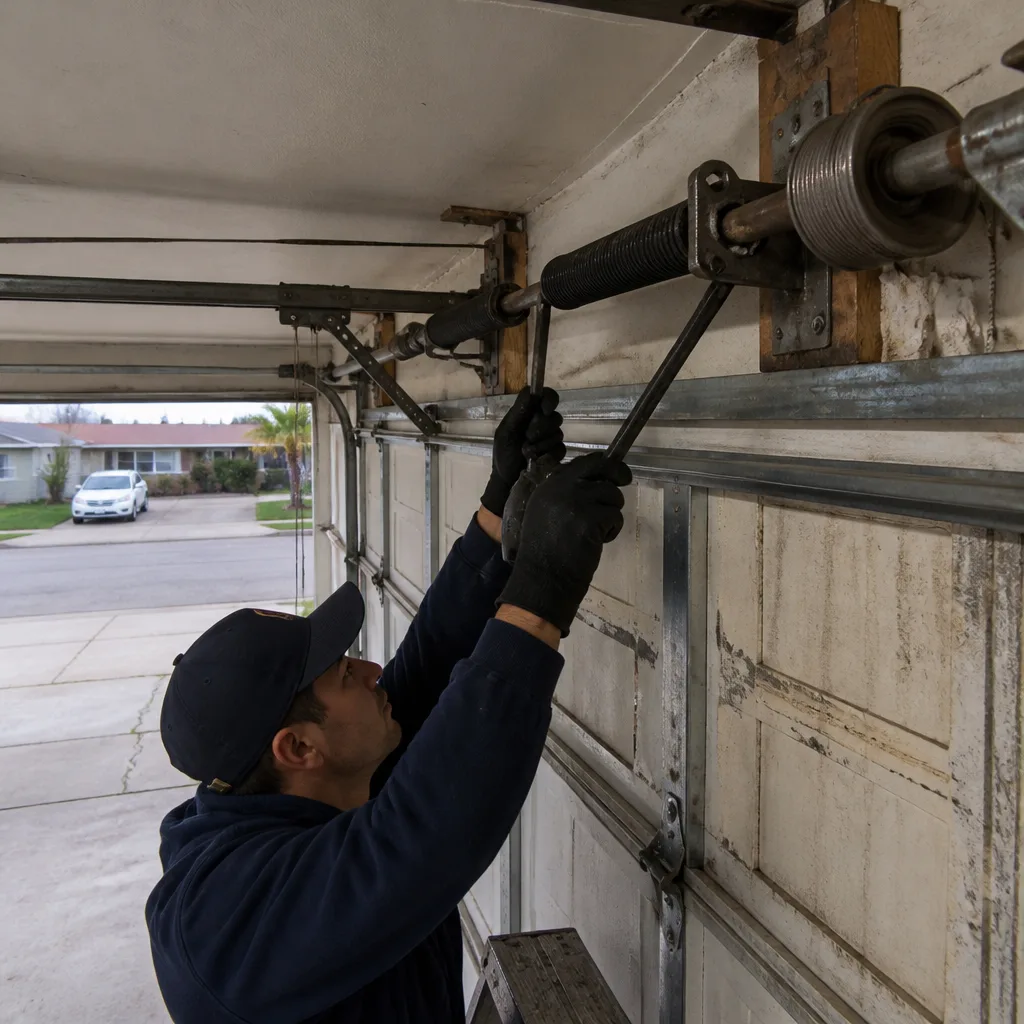
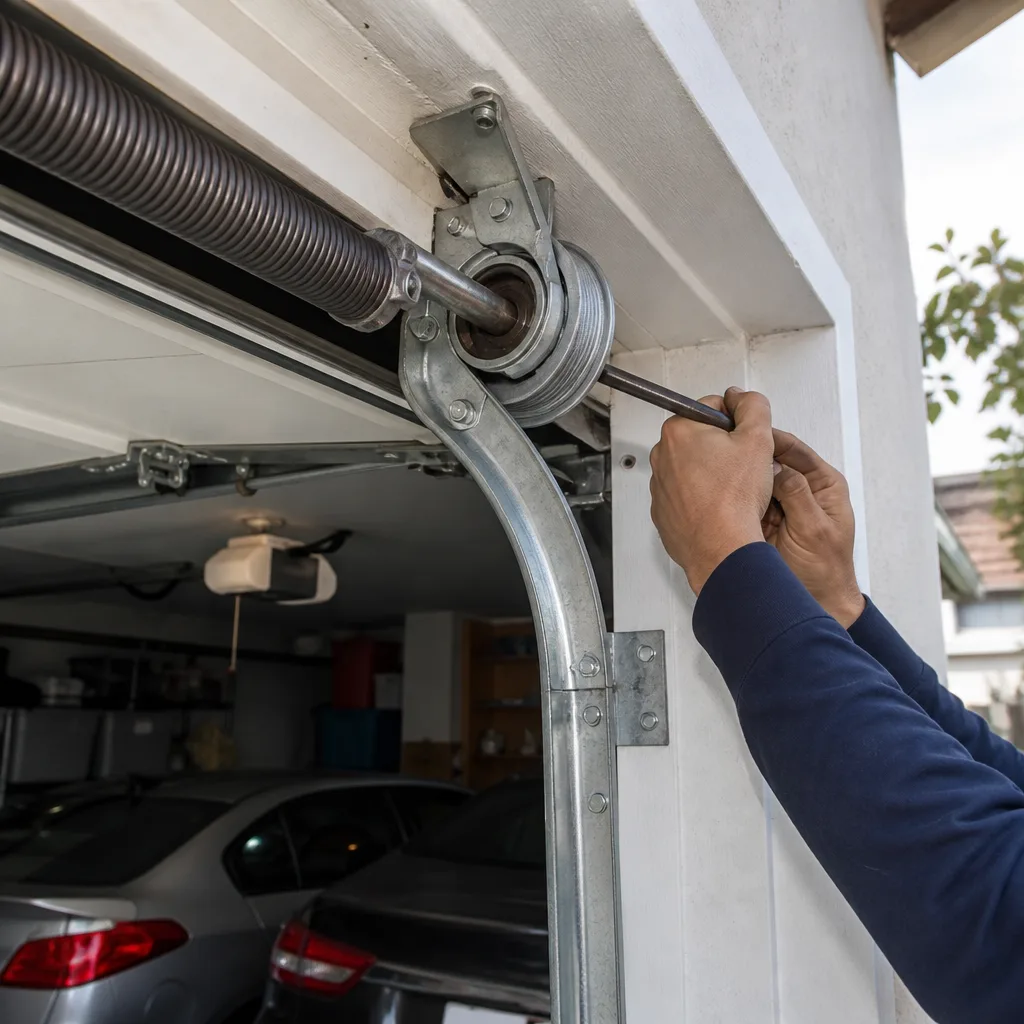
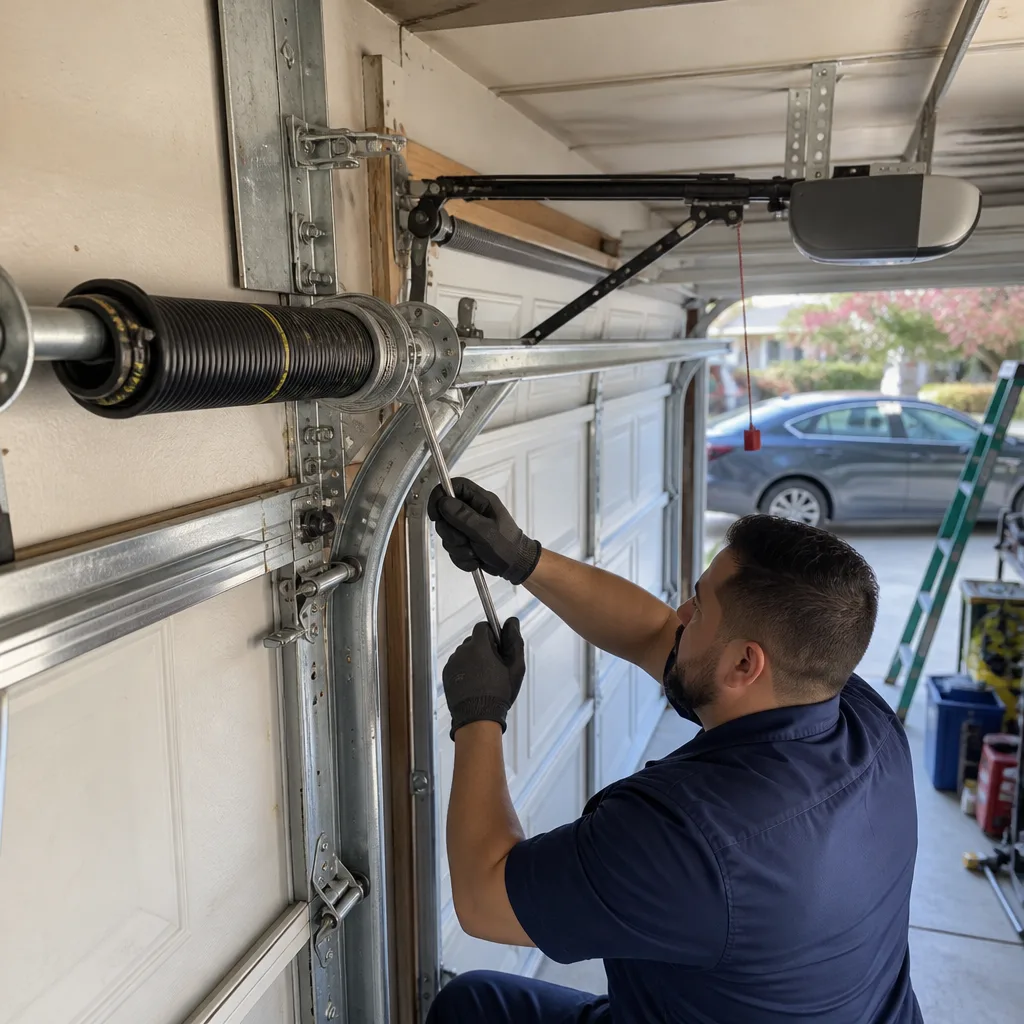
If you pull the cord and the door won’t budge, or it drops hard when released, that’s a spring problem. Do not attempt spring repair yourself. The tension in a torsion spring is enough to cause serious or fatal injury if released improperly. The team at Blackstone Garage Door Repair in Long Beach handles these inspections and replacements with the proper tools and training. For opener-specific issues during an outage, see our Garage Door Opener Repair in Long Beach page for guidance.
Battery Backup Openers: Which Ones Actually Work in Long Beach
Not all battery backup openers perform equally during an extended outage. Some are designed for a handful of cycles. Others can run for 20 to 50 operations on a single charge. In Long Beach, where power outages during extreme heat events can last several hours, sometimes into the next day, the difference matters.
Chamberlain and Genie both manufacture battery backup models. The Chamberlain B970 and similar belt-drive units with built-in backup batteries typically deliver around 20 full open/close cycles on a fully charged battery. Genie’s battery backup openers advertise comparable performance. The key variable is not the brand, it’s the age of the battery and the ambient temperature. Batteries degrade faster in the heat of a Long Beach garage that regularly exceeds 90 degrees in August and September. A five-year-old battery may deliver only a third of its original cycles.
Here’s what we know from working on these systems in Long Beach homes:
- Belt-drive openers with integrated battery backup tend to perform more reliably during outages than screw-drive units retrofitted with external battery packs.
- Wall-mounted openers (like newer Chamberlain models) keep the battery out of the hottest part of the garage ceiling, which extends battery life in Long Beach’s summer heat.
- External battery backup modules degrade faster in coastal humidity. Homes within two miles of the Pacific should check these batteries annually.
- Smart openers with Wi-Fi consume additional power even on battery, reducing the number of cycles available during an outage.
The most reliable approach is to test your battery backup monthly. Unplug the opener and run a full cycle. If the door slows noticeably or the opener beeps a low-battery warning, replace the battery before the next outage. The cost of a replacement battery is trivial compared to being locked out when you need to leave.
Long Beach homes built before the mid-1980s often don’t have battery backup openers at all. If you live in one of the older neighborhoods near downtown, Alamitos Beach, or the Cambodia Town area, and your opener is more than ten years old, a battery backup upgrade is worth considering. The Blackstone Garage Door Repair home page outlines the opener service options we provide for older Long Beach properties.
Post-Earthquake Garage Door Inspection: What to Check Before You Touch Anything
Long Beach sits in an active earthquake zone. The Newport-Inglewood Fault runs northwest from Newport Beach through Signal Hill and into the Los Angeles Basin. A significant quake on this fault would shake the southern half of Long Beach hard, including downtown, the Port area, and neighborhoods east toward Los Alamitos. After any earthquake you can feel, your garage door needs a quick but careful inspection before you press that opener button.
Ground motion affects garage doors in several specific ways. The door tracks can shift laterally. The opener rail can pull away from its ceiling mounts. Sections can separate at the hinges. The torsion spring center bearing plate can crack. Even a door that looks fine from the living room may now be off-plumb and dangerous to operate.
Follow these steps after any seismic event strong enough to rattle dishes:
- Check the door visually from both inside and outside. Look for gaps between sections, bent panels, or a door that no longer sits square in the opening.
- Inspect the tracks. They should be plumb and parallel. If one track has pulled away from the wall or the ceiling, the door is not safe to operate.
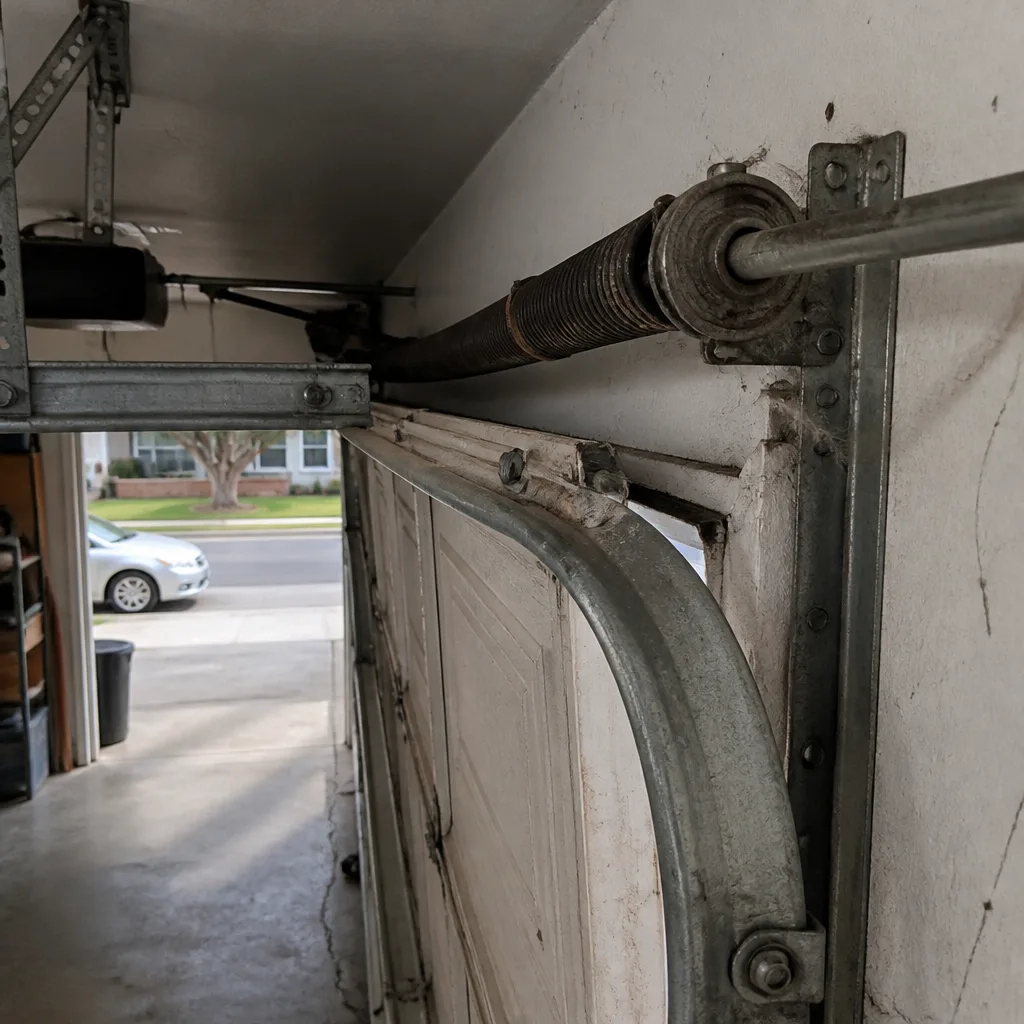
- Check the spring assembly. A broken torsion spring often leaves a visible two to three inch gap in the coil. Do not stand directly under the spring while inspecting.
- Disengage the opener. Pull the manual release and attempt to lift the door by hand a few inches. If it resists, binds, or feels heavier on one side, stop.
- Listen for grinding or popping. These sounds indicate structural stress in the panels or hardware that was not there before the quake.
If any of these checks fail, leave the door closed and call for an inspection before using it. Operating a compromised door can cause the cables to snap, the door to leave the track, or a section to fall. The repair work then becomes significantly more expensive than if you had stopped at the first sign of trouble.
Long Beach homes with detached garages in the back of the property face an additional risk. Detached structures on older foundations, especially in neighborhoods like Wrigley, Bixby Knolls, and North Long Beach, may shift during a quake even if the main house settles back into place. A door that worked fine when you first checked could jam after an aftershock. Re-inspect before each use during the aftershock period. If the door continues to misalign, a Garage Door Installation in Long Beach service may include track realignment and structural corrections that a simple repair can’t address.
Tsunami Zone Evacuation: Why Your Garage Door Matters More Than You Think
Coastal Long Beach neighborhoods including Belmont Shore, Naples, the Peninsula, and parts of downtown fall within the state-designated tsunami inundation zone. In a tsunami advisory or warning, evacuation may need to happen within minutes. Your garage door is often the fastest exit from the house when you’re loading children, pets, and supplies into a vehicle.
A garage door that opens slowly, sticks halfway, or requires three attempts with the remote is a real liability in an evacuation. The same goes for a door that you don’t know how to operate manually if the power drops at the same time. In the worst-case scenario, a major earthquake offshore triggers both a power outage and a tsunami warning. You now need to open the garage door manually, possibly in the dark, while every minute counts. This is why the manual release procedure in the section above is not optional knowledge for anyone living in the 90803 or 90814 ZIP codes.
There’s a second tsunami-specific consideration: the weight and configuration of the door itself. Older solid-wood doors on Naples Island homes, many of which are original to 1920s and 1930s construction, are extremely heavy. Disconnecting them from the opener during a blackout and lifting by hand is a physical challenge even for two adults. A modern, insulated steel door like those offered by Clopay or Amarr weighs far less and operates much more easily in manual mode. If your coastal Long Beach home still has its original heavy door, replacing it with a lighter model is both a safety improvement and a practical preparedness upgrade.
The One Free Preparation Every Long Beach Homeowner Should Do This Weekend
Most emergency preparedness guides tell you to buy things. Batteries, generators, kits. This one item costs nothing and requires no tools. It is simply this: practice the manual release procedure once, in daylight, with no emergency occurring.
If the first time you ever pull that red cord is during a power outage at night while a child is crying in the back seat and you’re trying to get to a parent’s house in Lakewood, you will fumble. You’ll pull the wrong direction. You won’t know how the door feels when it’s properly disconnected. And if the door is unbalanced or the springs are worn, you may not be able to lift it at all, which is information you need now, not during an emergency.
Here’s the five-minute practice sequence:
- Stand inside the garage with the door closed.
- Pull the manual release cord firmly toward the door. You should hear and feel the trolley disengage.
- Lift the door using the handle. Note how much effort it takes. A well-maintained door should lift with one hand on the handle.
- Raise the door fully and confirm it stays in place.
- Close the door by hand, pull the release cord again, and run one full automatic cycle to re-engage the opener.
If the door feels heavy, drops when you let go, or makes grinding sounds while lifting by hand, call us at (866) 477-5637 to schedule a spring and balance inspection. This specific type of evaluation is part of the standard Garage Door Repair in Long Beach service we perform. The five minutes you spend this weekend will tell you definitively whether your door would cooperate in an emergency, and that knowledge is a genuine preparedness asset.
Common Mistakes to Avoid
- Never pulling the manual release before an emergency happens. The release mechanism can seize over time, especially in coastal Long Beach humidity. Learning this during an outage is a bad time to discover a stuck cord or a broken release arm.
- Pulling the release cord with the door open. This is the most dangerous mistake on the list. A door disconnected while raised can come down hard and fast. Always disengage with the door fully closed.
- Assuming battery backup means unlimited operation. Backup batteries deliver a finite number of cycles. Treat battery power as a resource to conserve, not an unlimited substitute for grid power.
- Testing an opener after an earthquake without inspecting the tracks first. Powering an opener on a door that has shifted off its tracks turns a repair job into a replacement job, and sometimes a cable snaps in the process.
- Ignoring a door that’s unusually heavy after a quake or after years of use. A heavy door is always a spring issue. Springs don’t heal themselves. Continuing to open and close a heavy door strains the opener motor and the cables until something fails.
- Assuming a newer home means a properly prepared garage door. Many Long Beach tract homes built in the 2000s and 2010s came with openers that have no battery backup at all. Newer doesn’t automatically mean prepared.
When to Call a Professional
Some garage door situations are genuinely dangerous to handle yourself. If you’ve pulled the manual release and the door won’t lift, or it feels heavier on one side, leave it alone. A broken spring under tension is a serious hazard. If you see visible damage to the tracks, panels, or the spring assembly after an earthquake, do not operate the door. If your opener fails to re-engage after a power outage and cycles repeatedly without moving the door, there’s likely a trolley alignment or logic board issue that requires diagnosis. If your battery backup opener still won’t operate on a fresh battery, the problem may be in the opener’s charging circuit. Blackstone Garage Door Repair offers free estimates in Long Beach – call (866) 477-5637 and we’ll inspect the door, the springs, and the opener as one integrated system, the way they actually work together.
Frequently Asked Questions
Pull the manual release cord hanging from the opener rail with the door fully closed, then lift the door by hand using the exterior handle or bottom edge. A properly balanced door should lift with moderate one-arm effort. If it won’t move or feels extremely heavy, the springs may need attention before you can operate it manually.
Some openers accept external battery backup modules, but not all models support retrofitting. Genie and Chamberlain both offer compatible battery backup options for certain lines. If your opener predates battery backup compatibility, a full opener replacement is the cleanest solution. Call (866) 477-5637 and we can tell you whether your specific model can be retrofitted.
Check that the door sits square in the opening, the tracks remain plumb and attached, the spring assembly shows no gap or separation, and the door lifts smoothly by hand with the opener disengaged. Any binding, grinding, or visible misalignment means the door should stay closed until a professional inspects it.
There’s no special code requirement for garage doors in tsunami inundation areas, but the practical requirement is that your door opens reliably and quickly when you need to leave. That means a maintained spring system, a functioning opener with tested battery backup, and a door you can lift manually if necessary.
Test it quarterly. A seasonal test catches seized mechanisms, worn springs, and opener disconnect issues before an emergency exposes them. The test takes less than five minutes and the only cost is the time it takes to run one full manual cycle with the door closed.
After a manual-release cycle, the trolley sometimes fails to re-engage cleanly if the door is even slightly out of alignment or if the limit settings drifted. Running one automatic cycle with the release cord pulled a second time usually resets the connection. If it still won’t engage, the problem is likely mechanical, not electrical, and worth a service call to (866) 477-5637.
The Bottom Line
Garage door emergency preparedness in Long Beach comes down to three fundamentals. Know the manual release procedure for your specific opener and practice it before you need it. Know whether your opener has battery backup, and if it does, verify the battery actually holds a charge. And know what a post-earthquake inspection looks like so you don’t operate a compromised door. This is not a scenario where you can improvise in the moment. The preparation is simple, costs nothing, and takes less than an hour. For anything you’re not sure about, call Blackstone Garage Door Repair at (866) 477-5637. We’ll walk you through it.
Written by the team at Blackstone Garage Door Repair, serving Long Beach since 2012.
See the difference
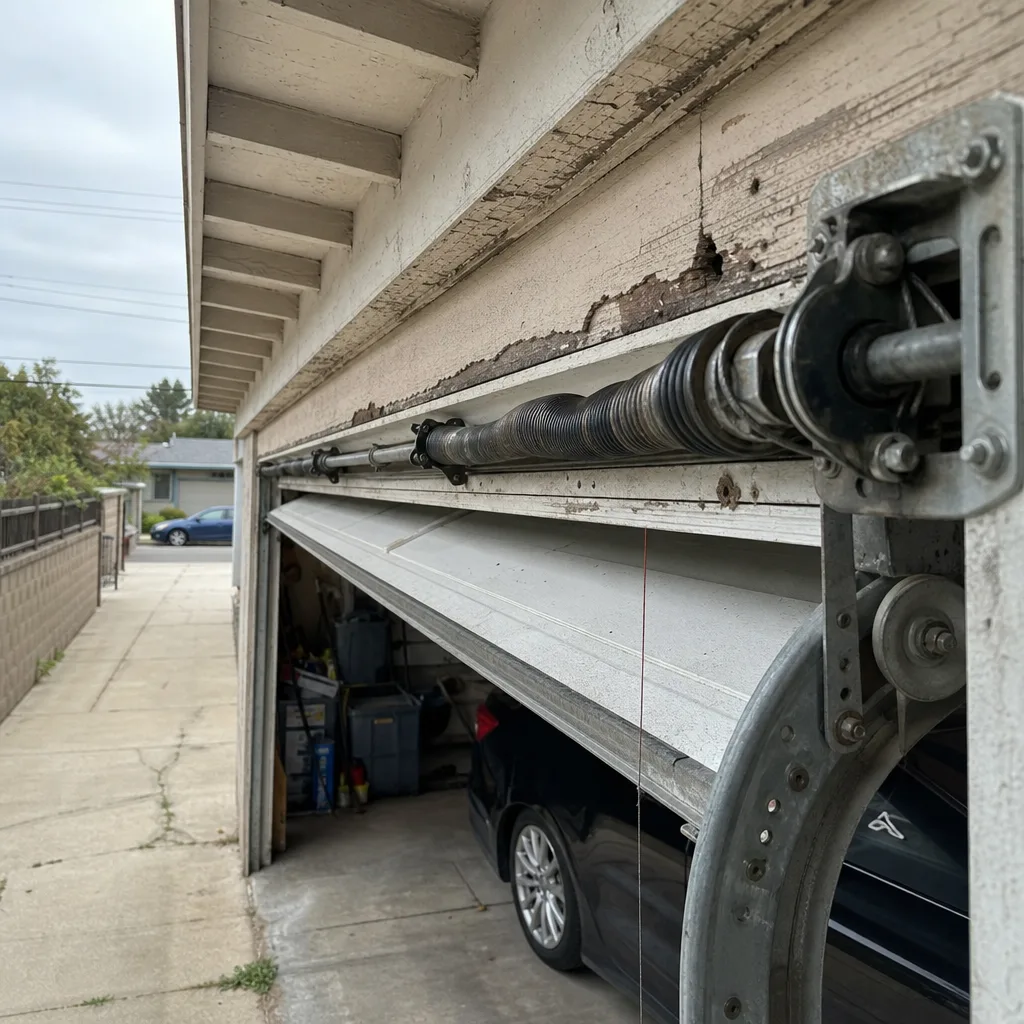 Before
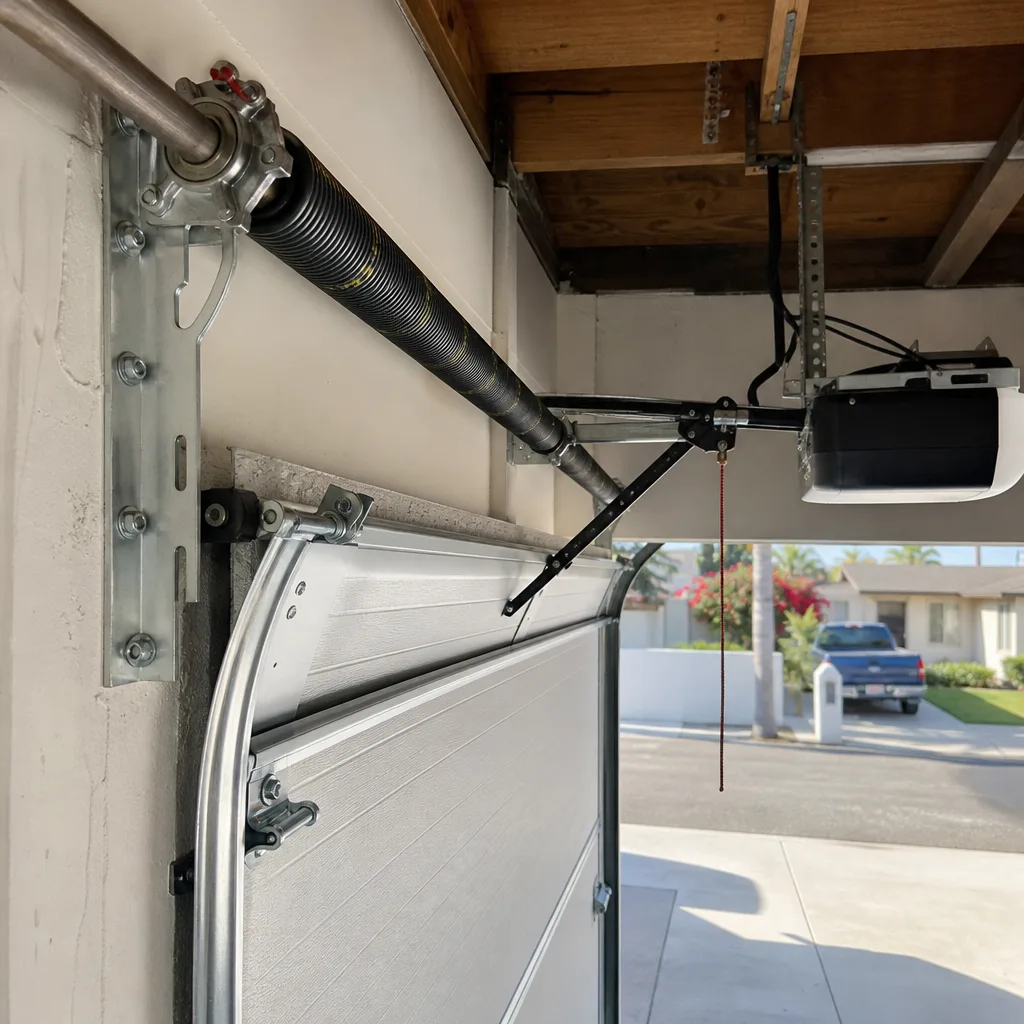 After
 Before
 After
 Before
 After