
Last updated October 30, 2026
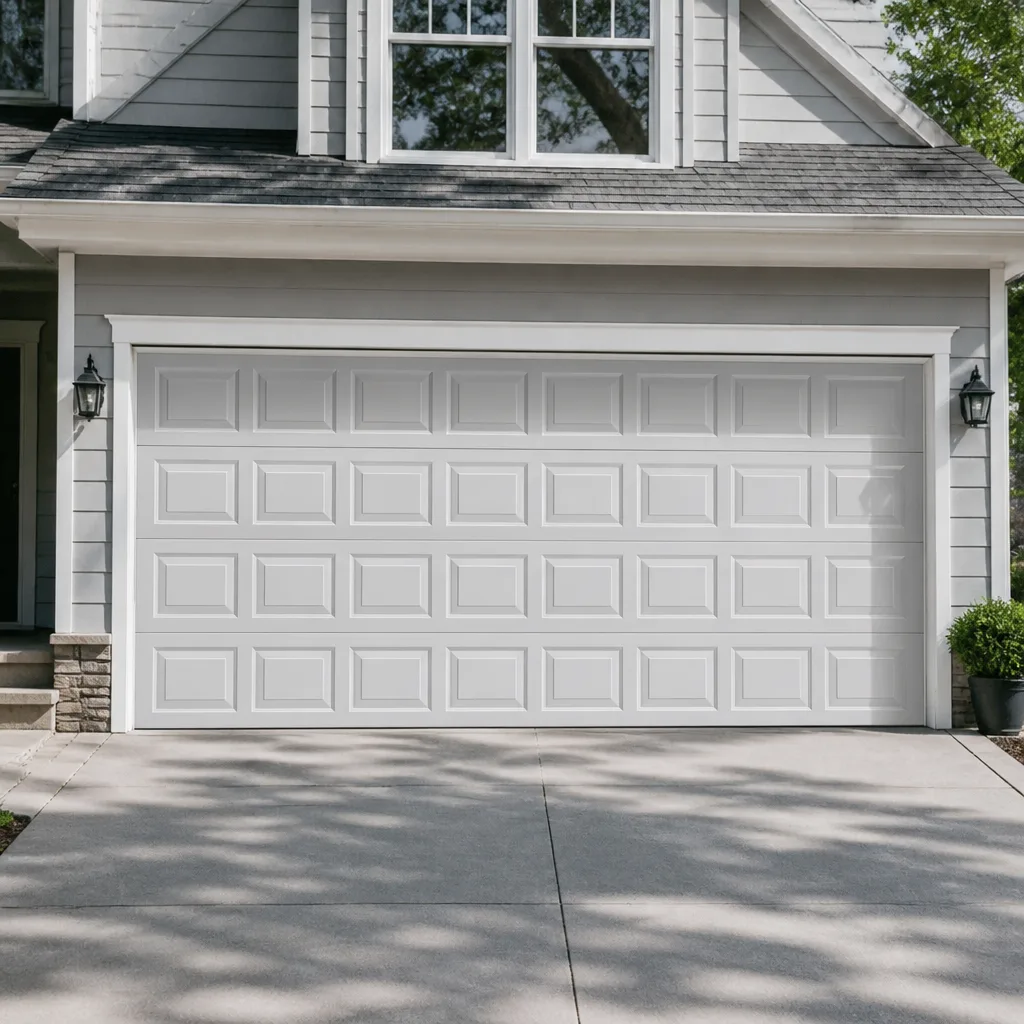 Raised-panel steel
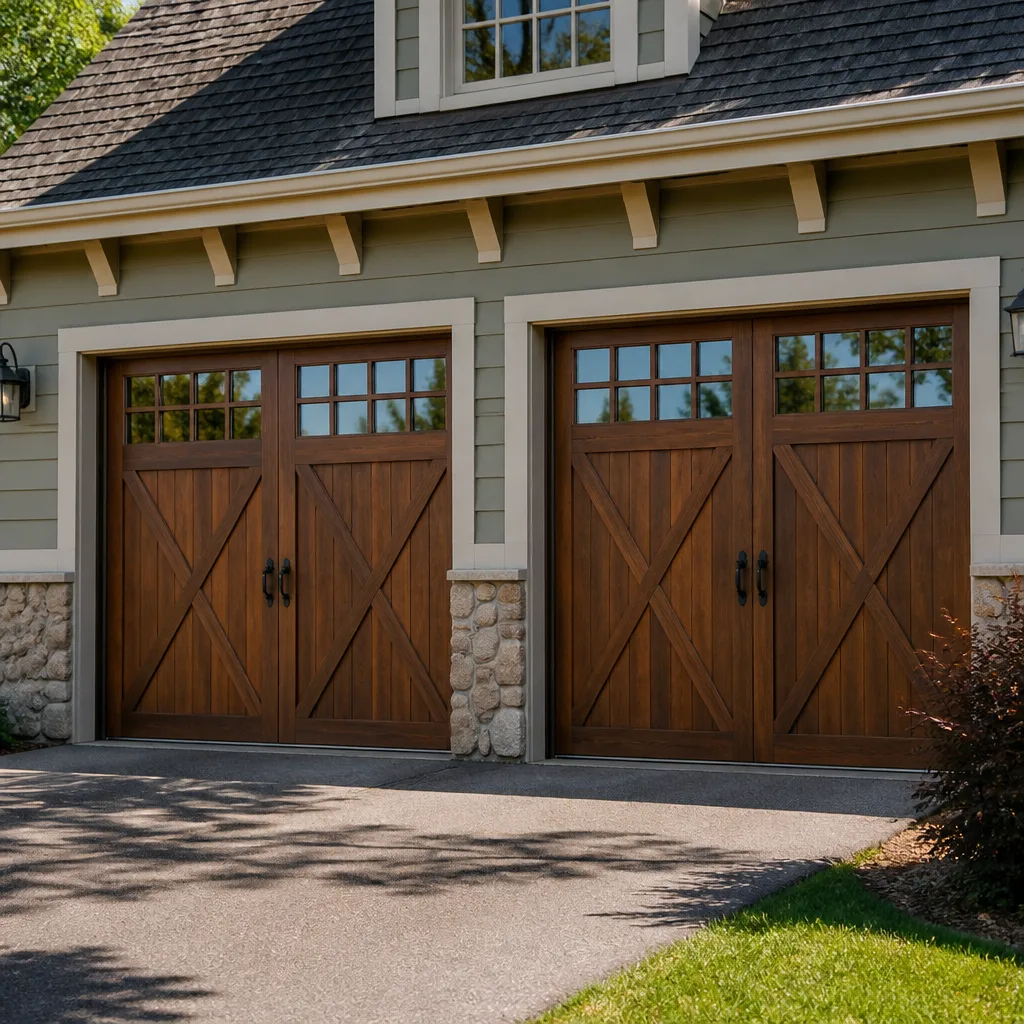 Carriage house
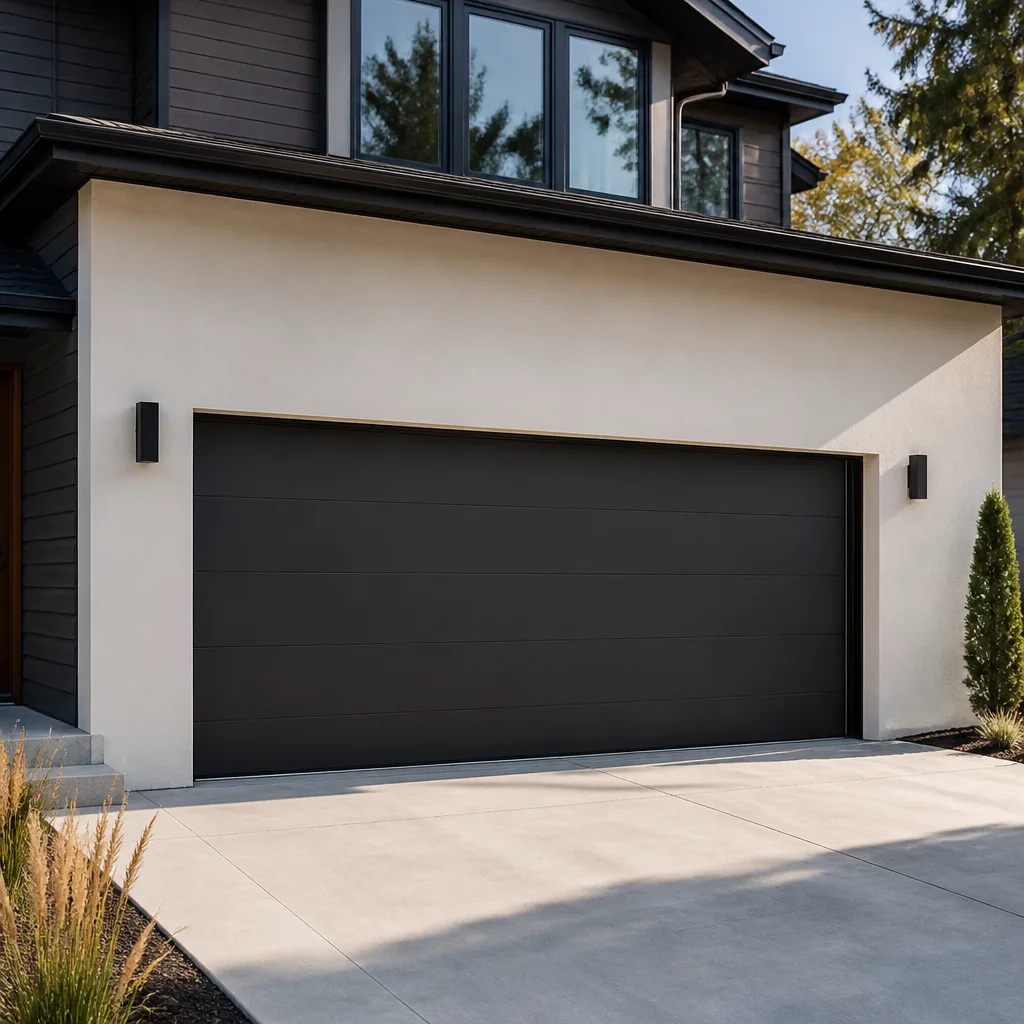 Modern flush
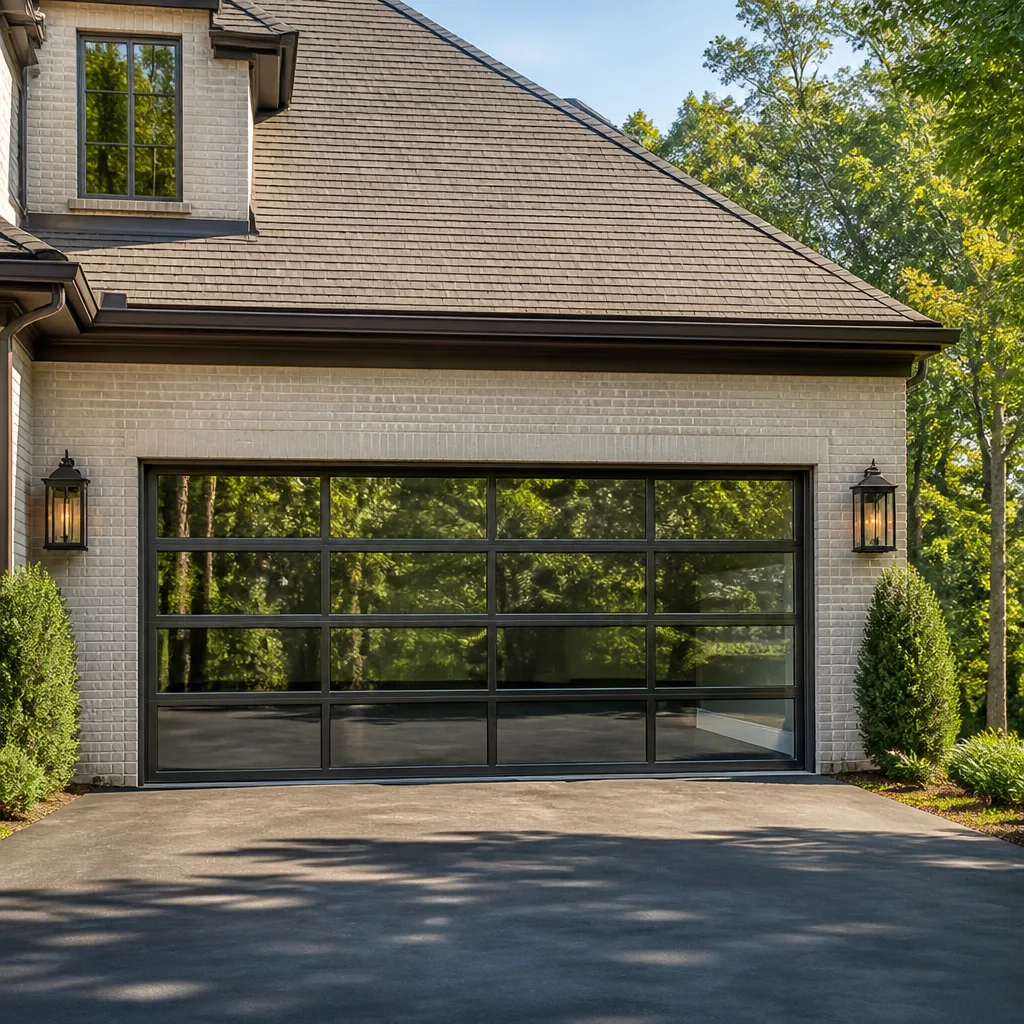 Full-view glass
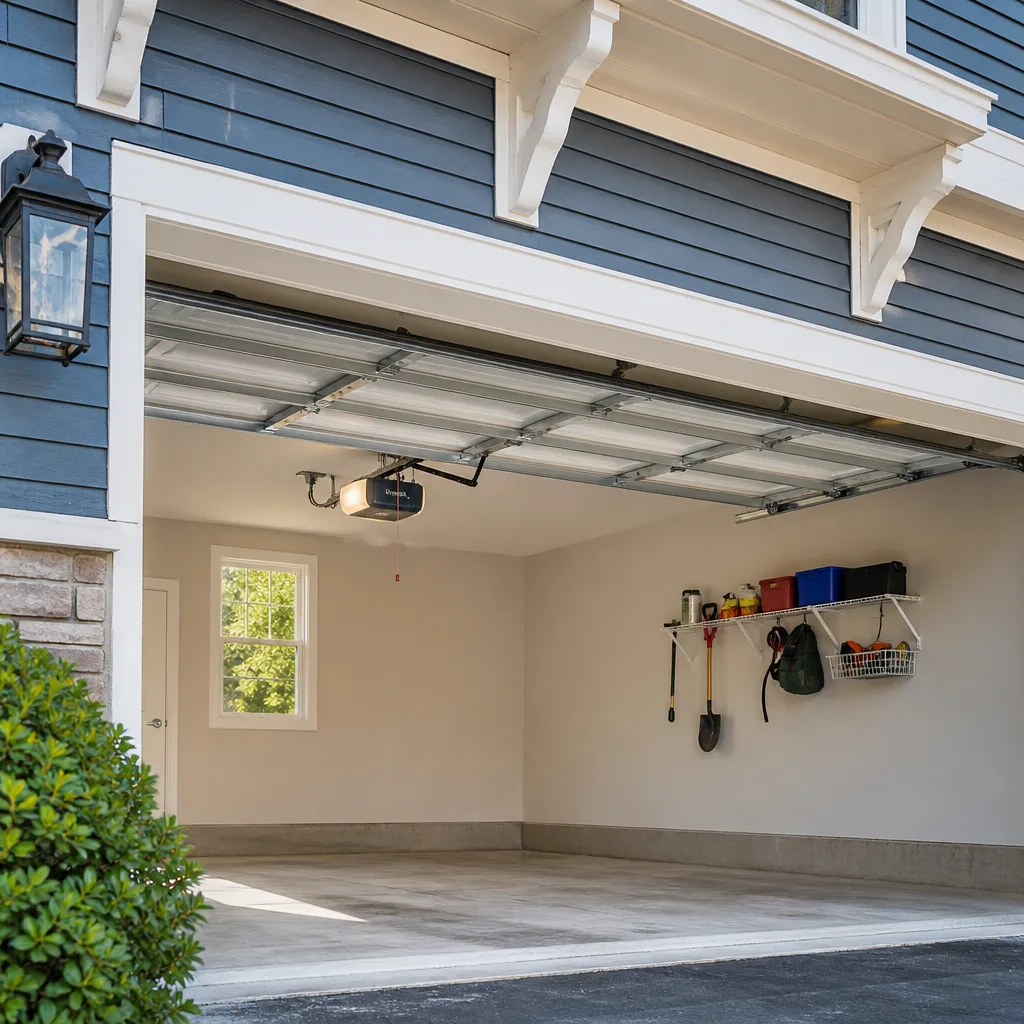 LiftMaster openers
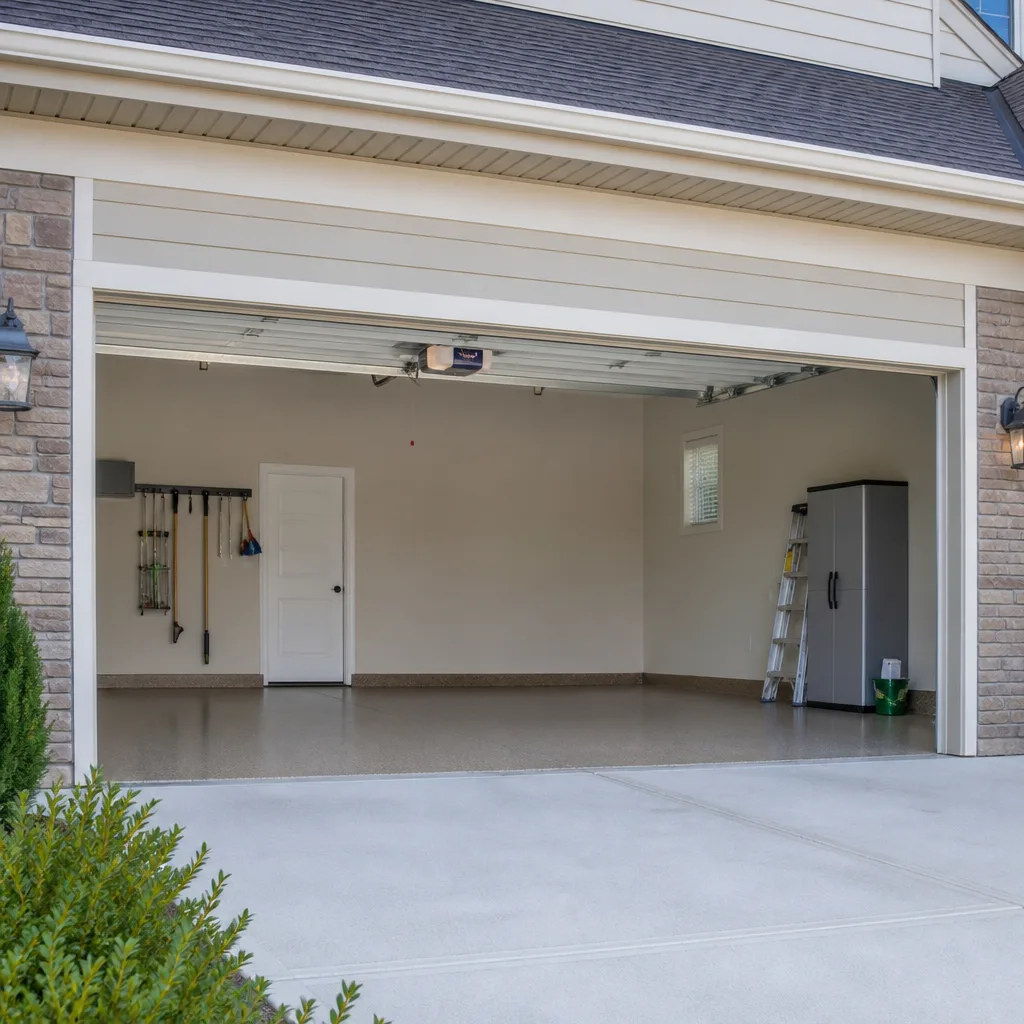 Chamberlain openers
Full 25-point door and opener safety check with every visit - springs, cables, rollers, tracks, and your LiftMaster or Chamberlain opener included
You get a price before we start. It does not change when the truck arrives.
Get your free estimateGarage Door Permits, Codes & Inspections in CA: What You Need to Know
If you replace a garage door and it triggers a Title 24 energy compliance review – which can happen with certain panel-type changes – you may be required to upgrade insulation before the city signs off. Almost no one tells buyers this before installation day. Most Long Beach homeowners assume swapping a garage door is like replacing a faucet: no permit, no inspection, no problem. That assumption is wrong roughly a third of the time, and the consequences range from a few hundred dollars in retroactive fees to a stalled home sale. This guide walks you through exactly when California and Long Beach codes require a permit, when they only require an inspection, and what it costs to fix a job that was done without either. For more guides & resources, visit our blog.
Styles & brands we work with
Quick Answer
In California, a straightforward garage door replacement on an existing opening typically does not require a building permit, but it does trigger Title 24 energy compliance requirements in many cities, including Long Beach. Work that changes the door opening size, adds a new opening, or alters structural framing always requires a permit. Electrical work on a garage door opener may require a separate electrical permit depending on whether you are extending circuits or simply replacing a plug-in unit. When in doubt, call Long Beach Development Services at (866) 477-5637 before any work begins.
Table of Contents
- When a Garage Door Permit Is Required in California
- Long Beach Municipal Code: The Specific Thresholds
- Title 24 and Garage Door Insulation: What Actually Applies
- Permit vs. Inspection: They’re Not the Same Thing
- Garage Door Opener Electrical Permits: What’s Covered
- What a Failed Inspection Looks Like
- Unpermitted Garage Door Work and Your Home Sale
- Common Mistakes to Avoid
- When to Call a Professional
- Frequently Asked Questions
- The Bottom Line
When a Garage Door Permit Is Required in California
California building codes are set at the state level through the California Building Standards Code (Title 24 of the California Code of Regulations), but enforcement happens city by city. Long Beach, as a charter city, adopts the state code with local amendments. That means a door replacement that sails through in one city can hit a compliance wall in another.
Here is the clearest way to think about it: the permit question is almost never about the door itself. It is about what the door attaches to. A garage door is classified as a wall covering, not a structural element. Replacing a wall covering on an existing opening is generally exempt from permit requirements under Section 105.2 of the California Building Code. The opening, the framing around it, the header above it, and the foundation below it are what matter.
You need a permit in California when any of the following are true:
- The rough opening dimensions change. Widening a garage door opening from 8 feet to 9 feet, or converting a single door to a double door, requires structural work on the header and possibly the foundation. This is a structural alteration, not a replacement.
- A new opening is cut into an existing wall. Adding a garage door where there has never been one means framing a new header, reinforcing the wall, and possibly running new electrical. This always requires a permit.
- A load-bearing wall is modified. Any alteration to walls that support roof or floor loads above the garage triggers plan review and a permit.
- You are converting a carport to a garage. This is a change of use, not a door installation. It requires a building permit, possibly a zoning review, and electrical approval.
- The door installation includes new hardwired electrical circuits. We cover this more below, but new circuits feeding an opener, lights, or outlets in the garage require an electrical permit.
What does not require a permit: removing an existing door and installing a new one in the same opening, using the same attachment points, with no structural changes. That is a maintenance replacement in the eyes of the code. Most residential garage door replacement jobs in Long Beach fall into this category. But the permit piece is only half the story, because Title 24 energy requirements apply to replacements even when no permit is triggered.
Long Beach Municipal Code: The Specific Thresholds
Long Beach Municipal Code Chapter 18.02 adopts the California Building Code with local amendments that tighten certain requirements in coastal and flood zones. Two things are different in Long Beach compared to a city like Bakersfield or Fresno.
First, Long Beach sits in a coastal climate zone (Climate Zone 6 per California Energy Commission mapping), which affects insulation requirements under Title 24. We will get to those numbers shortly. Second, Long Beach requires plan check for most structural work on residential properties built before 1980, because those structures predate current seismic retrofit standards. If your home was built before 1980 and the door work involves altering the opening, the plan checker will verify that the existing header and shear wall details meet current seismic standards.
The practical threshold in Long Beach is this: if the work involves any of the following, you are in permit territory:
- Cutting or extending wall framing members
- Installing a new header or reinforcing an existing one
- Pouring or modifying any concrete supporting the door tracks or jambs
- Changing the door opening height (which alters the header location)
- Installing a door on a garage that did not previously have one
If the work is a same-size replacement, you are generally exempt from the building permit. But Long Beach enforcement of Title 24 compliance has become more consistent since 2023, and that is where homeowners get surprised. A door swap that should be a two-hour job can turn into a two-week back-and-forth if the replacement door’s insulation rating does not meet the current energy code. See our Garage Door Repair Maintenance Checklist for Long Beach Homeowners to stay ahead of compliance issues.
Title 24 and Garage Door Insulation: What Actually Applies
Title 24, Part 6 of the California Code of Regulations, governs energy efficiency. It treats attached garages differently from detached garages, and it treats new construction differently from replacements. Most of the confusion comes from people reading new construction requirements and assuming they apply to a retrofit.
Here is what actually applies to a garage door replacement in an existing conditioned or semi-conditioned home in Long Beach, which is in Climate Zone 6:
Attached garages: If the garage is attached to the home, the wall between the garage and living space is a conditioned envelope boundary. The garage door itself, however, is generally not considered part of the conditioned envelope unless the garage is heated or cooled as living space. For most Long Beach homes, an attached garage is an unconditioned buffer space. That means a replacement garage door is not required to meet a specific R-value under Title 24 for the door itself.
The trigger you need to know about: Title 24 compliance review under the California Energy Commission’s residential alteration rules applies when the replacement door is part of a larger project that already requires a permit. For example, if you are adding a room above the garage and that project triggers energy compliance, the garage door gets swept into the review. At that point, the energy consultant modeling the home may specify a garage door with additional insulation to hit the overall compliance target. Many Long Beach homeowners doing an ADU conversion or a second-story addition discover this mid-project.
What insulation ratings mean on a garage door: Most steel garage doors are sold with an R-value rating that measures thermal resistance. The range typically runs from R-0 (non-insulated steel) to R-18 (double-layer steel with polyurethane core). For reference, Clopay, Amarr, and Wayne Dalton all manufacture doors in the R-6 to R-18 range. A door with an R-6 rating uses polystyrene insulation. A door with R-12 or higher uses polyurethane injection, which also stiffens the panel and reduces noise. In Long Beach’s mild coastal climate, the thermal difference between an R-6 and an R-12 door is modest. The compliance difference can be significant depending on the project scope.
New construction vs. replacement: New homes built in Long Beach must include garage doors that meet the prescriptive energy requirements for Climate Zone 6 if the garage is conditioned space. If the garage is not conditioned, there is no minimum R-value for the door under the prescriptive approach, but the wall between garage and living space still must be insulated to R-13. Replacement doors in unconditioned garages are not subject to a minimum R-value.
The takeaway: Title 24 rarely forces you to upgrade insulation on a simple same-size garage door replacement in Long Beach. It becomes a factor when the door work is part of a larger permitted project, at which point the city’s energy review may push you toward a higher-R door. If you are planning an addition or an ADU conversion, ask your designer about garage door energy compliance before finalizing the project scope. Watch for Garage Door Warning Signs: A Long Beach Homeowner’s Reference Guide to catch problems early.
Permit vs. Inspection: They’re Not the Same Thing
One of the most common points of confusion we encounter is the relationship between permits and inspections. They are separate regulatory acts, and a homeowner can need one without the other.
A permit is authorization from the city to perform work. It is issued before work begins and it is tied to a plan review process. The city reviews the scope of work, checks compliance with building codes, and charges a fee based on the valuation of the project. In Long Beach, a garage door permit for structural work typically runs between $200 and $600 depending on project valuation, and plan check may add another $200 to $400 if drawings are required.
An inspection is verification that work was performed according to code. Inspections happen during and after construction. For garage door work, the typical inspections are:
- Framing inspection: After the opening is framed or modified but before any finish material covers the work. The inspector checks header size, king studs, jack studs, and shear wall nailing.
- Electrical inspection: If new circuits or wiring were run for an opener, the inspector checks the rough-in before insulation and the final connection after devices are installed.
- Final inspection: After the door is installed and operational. The inspector checks the door’s balance, the auto-reverse safety mechanism, the photo-eye sensors, and the overall installation.
Here is the part that surprises homeowners: a same-size garage door replacement in Long Beach generally requires no permit.
But it still involves work that the manufacturer requires to be installed per their instructions, and a homeowner can request a third-party inspection or have the work verified by a qualified contractor without any city involvement. In other words, the absence of a permit does not mean the absence of standards. The door installation still must meet the California Building Code requirements for anchoring, wind load, and safety devices even when no one from the city is coming out to look at it.
The reverse is also true: you can have a permit and still fail the inspection. We see this routinely. A homeowner pulls a permit for an opening modification, the contractor does the structural work correctly, but the door installation itself fails the final inspection because the photo-eye sensors are mounted higher than six inches above the floor or the auto-reverse pressure setting is too high. The permit was valid. The inspection failed anyway.
Garage Door Opener Electrical Permits: What’s Covered
Garage door openers are electrical appliances. Whether electrical work requires a permit in Long Beach depends on what kind of electrical work is being done.
Plug-in opener replacement: If you are replacing an existing opener with a new unit that plugs into an existing ceiling receptacle, no electrical permit is required. This is the most common scenario in Long Beach homes built after 1960. The receptacle is already there, the circuit is already approved, and the opener is a plug-in appliance like a washing machine or a dryer on a 120-volt circuit.
New receptacle installation: If your garage does not have a ceiling receptacle in the location where the new opener will go, running a new circuit or extending an existing circuit requires an electrical permit. This work involves new wiring, possibly a new breaker, and an inspection.
Hardwired opener installation: Some openers, particularly commercial models and certain direct-drive residential units, are designed to be hardwired rather than plugged in. If the installation involves a hardwired connection to a junction box, that is electrical work and it requires a permit and inspection.
Smart opener hub wiring: Wi-Fi-connected openers from Chamberlain, LiftMaster, and Genie communicate via existing home networking, not new electrical circuits. No permit is required for the smart features. If you are adding an outlet near the opener for a security camera or other accessory, that outlet requires the same electrical permit as any other new receptacle.
The practical rule of thumb for Long Beach: look up at the ceiling where the new opener will go. If a grounded ceiling receptacle already exists within reach of the opener’s power cord, you are fine without a permit. If you are running Romex across the garage ceiling, pulling wire through an unfinished attic, or adding a breaker to the panel, call the city and pull an electrical permit. An experienced garage door technician can tell you which situation you are in within seconds of looking at your garage.
What a Failed Inspection Looks Like
Failed inspections on garage door work fall into predictable patterns. We have walked homeowners through remediating dozens of them across Long Beach, and the same issues come up repeatedly.
The most common failure points on a garage door final inspection:
- Photo-eye sensors mounted above six inches. UL 325 and the California Building Code require the reversing sensors to be mounted no higher than six inches above the garage floor. An installer who mounts them at knee height because it looks cleaner has failed the inspection before the inspector finishes walking up the driveway.
- Auto-reverse force set too high. The opener’s downward force must be adjusted so that the door reverses when it contacts a two-inch block on the ground. This is tested with a pressure gauge or a physical obstruction. A door that closes on a two-by-four and keeps pressing is an automatic fail.
- Missing or damaged weather stripping on the bottom seal. Inspectors in coastal Long Beach look at bottom seals because they affect water intrusion and pest entry. A torn or missing seal can be flagged.
- Improper track anchoring. The vertical and horizontal track assembly must be anchored to the wall and ceiling with the fasteners specified by the manufacturer. Low-grade drywall screws are a fail. The inspector will check bolt sizes and spacing.
- Missing garage door tension cable safety cables. Extension spring systems require a safety cable running through each spring to contain the spring if it breaks. Missing safety cables are a code violation and a genuine safety hazard.
A failed inspection in Long Beach is not a catastrophe, but it is an inconvenience with a real cost. The city charges a re-inspection fee, typically $80 to $150 depending on the trade and the number of re-inspections. The bigger cost is the delay. Reinspections are scheduled on the city’s timeline, not yours, and a one-week delay is common. If the failure requires opening walls to redo framing or electrical work, the remediation cost runs from $500 to $2,500 and the timeline stretches to weeks.
The cheapest way to avoid a failed garage door inspection is to have the installation done by someone who knows the code requirements for your specific door and opener combination. Most inspection failures we see in Long Beach trace back to installations done by general handymen or DIY attempts where the opener safety settings were never calibrated to spec.
Unpermitted Garage Door Work and Your Home Sale
Long Beach is a competitive real estate market where buyers’ agents routinely pull permit histories before writing an offer. If you are selling a home, the question is not whether unpermitted work can be discovered. It is whether the discovery matters, and how much it costs you in the escrow process.
California Civil Code Section 1102 requires sellers to disclose known material facts about the property. Unpermitted work is a material fact if it affects the value, desirability, or safety of the property. Structural work on a garage door opening without a permit is a textbook example. A same-size door replacement without a permit is generally less significant, but sellers who are aware the work was done without a permit should disclose it anyway.
What actually happens in Long Beach transactions when unpermitted structural garage work is discovered:
- The buyer’s inspector flags it during the physical inspection. A knowledgeable inspector notices the header looks newer than the surrounding framing, or the stucco patch around the opening does not match the original texture. The inspection report notes possible unpermitted work.
- The buyer’s agent pulls the city permit history. Long Beach makes permit records searchable online, and the absence of a permit for a visibly modified opening is easy to spot.
- The buyer requests retroactive permitting. The seller is asked to pull the permit after the fact, bring the work up to current code, and pass inspection before close. The cost of retroactive permitting is typically 1.5 to 2 times the original permit fee, and the seller absorbs the remediation cost if the work does not pass.
- Or the buyer asks for a price concession. In a competitive market, a buyer may accept the risk and ask for a credit at closing. The concession usually ranges from 1 to 3 percent of the purchase price in Long Beach, which on a $900,000 home is $9,000 to $27,000.
The cleanest path if you have unpermitted garage door structural work and want to sell your Long Beach home: pull the permit retroactively before listing. You will spend a few hundred dollars on the permit and inspection, and you will remove a negotiation point that could cost you thousands in escrow.
If you are buying a Long Beach home with a garage door opening that looks recently modified and you cannot find the permit in the city’s online records, ask for the permits before you close. This is a routine request. Do not let anyone tell you it is not.
Common Mistakes to Avoid
- Assuming every garage door install is permit-free. Same-size replacements usually are. Modifying the opening, adding a new door, or converting a carport never is. If you are not sure which category you are in, call the city before the work starts. The phone call is free. The retroactive permit is not.
- Ignoring Title 24 on a larger project. If you are planning an addition or ADU conversion in Long Beach and the garage door is part of the scope, your energy compliance model may require a higher-R door. Find out before you buy the door, not after the plan checker rejects the energy report.
- Mounting photo-eye sensors above six inches. This is the single most common reason a final inspection fails. The six-inch requirement is not negotiable. Mount them low and be done with it.
- Using drywall screws for track anchoring. Garage door tracks carry meaningful weight and cycle thousands of times per year. The manufacturer specifies lag bolts for a reason. Drywall screws fail and they fail the inspection.
- Skipping the permit on an opener circuit extension. Running a new ceiling outlet without a permit is one of the easiest things to catch in an inspection, and it also creates an insurance risk if there is ever an electrical fire traced to that circuit. Not worth saving $150.
- Thinking a failed inspection means starting over. A failed inspection is a correction list, not a death sentence. Most failures in Long Beach are fixed in under an hour. The frustration is the re-inspection delay and fee, not the fix itself.
- Hiding unpermitted work when selling. Failing to disclose known unpermitted structural work is a legal liability in California. The disclosure requirement does not disappear because the buyer did not ask. Disclose it, price it in, and move on.
When to Call a Professional
Struggling with whether to manage the permit process yourself or bring in a pro is common. The answer depends on the scope. A same-size replacement with no structural changes and no electrical work is a job a competent homeowner can oversee, though the installation itself still benefits from an experienced hand. The moment the scope includes cutting framing, modifying the opening, running electrical, or navigating a Title 24 compliance review, the risk-reward calculus shifts. An experienced garage door contractor who has pulled permits in Long Beach knows what the plan checker will ask for before they ask it. That saves you a rejected application cycle, which means a saved week and a saved re-submission fee. Garage Door Installation in Long Beach involves navigating exactly these questions daily. Blackstone Garage Door Repair offers free estimates in Long Beach. Call (866) 477-5637 and we will tell you honestly whether your project needs a permit, an inspection, both, or neither.
Frequently Asked Questions
A same-size garage door replacement on an existing opening does not require a building permit in California. The work is classified as a maintenance replacement, not a structural alteration. If the opening size changes, the header is modified, or a new door is cut into an existing wall, a permit is required. Call (866) 477-5637 if you are not sure which category your project falls into, and we will tell you based on the specifics of your home.
A garage door permit for structural work in Long Beach typically costs between $200 and $600 depending on the valuation of the project. Plan check fees, when drawings are required, add another $200 to $400. A simple same-size replacement involves no permit fees at all. For an exact current fee, contact Long Beach Development Services directly or ask your contractor to handle the permit application as part of the job.
Replacing a plug-in garage door opener using an existing ceiling receptacle does not require a permit in California. Installing a new receptacle or running new wiring for a hardwired opener requires an electrical permit and inspection. If you are swapping an opener and the outlet already exists, you are clear. Garage Door Opener Repair in Long Beach work almost never requires a permit because repairs and replacements use the existing circuit.
For a same-size replacement where no permit was required, there is nothing for the city to find. For a job where a permit was required and skipped, discovery is most likely to happen during a home sale. Buyer’s inspectors and agents in Long Beach routinely pull permit histories, and visible structural work with no matching permit becomes a negotiation point. The safest approach is to be honest about the permit status of any work done on your home.
A failed garage door inspection in Long Beach results in a correction list from the inspector. Common failures include photo-eye sensors mounted above six inches, auto-reverse force set too high, and improper track anchoring. After corrections are made, the city charges a re-inspection fee of $80 to $150 and schedules a follow-up. Most failures are fixable in under an hour, but the re-inspection delay adds a week or more to the timeline.
Title 24 does not require a minimum R-value for garage doors in unconditioned garages in Long Beach, which covers most existing homes. The requirement applies when the garage is conditioned space or when the door is part of a larger permitted project that triggers energy compliance review. New construction follows different rules. If an energy compliance model specifies an insulated door for your project, doors from Clopay, Amarr, and Wayne Dalton are available in R-values from R-6 through R-18.
An unpermitted same-size door replacement rarely affects a sale in Long Beach. Unpermitted structural modifications to the opening are a different story: buyers typically request retroactive permitting or a price concession of 1 to 3 percent of the home’s value. Pulling the retroactive permit before listing is the cheaper path. If you are buying, ask for the permit history before you close. If you are selling, disclose what you know.
The Bottom Line
Most garage door replacements in Long Beach do not require a building permit. The dividing line is structural: if the opening size, header, or framing changes, you are in permit territory. If it is a same-size swap, you are usually clear. Title 24 energy requirements become relevant when the door is part of a larger project, and opener electrical work has its own permit rules. The expensive mistakes happen when homeowners discover these distinctions after the work is done. If you are planning garage door work in Long Beach and want a straight answer on the permit requirements for your specific situation, call Blackstone Garage Door Repair home at (866) 477-5637. Estimates are free. Garage Door Repair in Long Beach is our home turf, and we would rather spend ten minutes on the phone telling you the truth than watch you navigate a failed inspection alone.
Written by the team at Blackstone Garage Door Repair, serving Long Beach since 2012.
See the difference
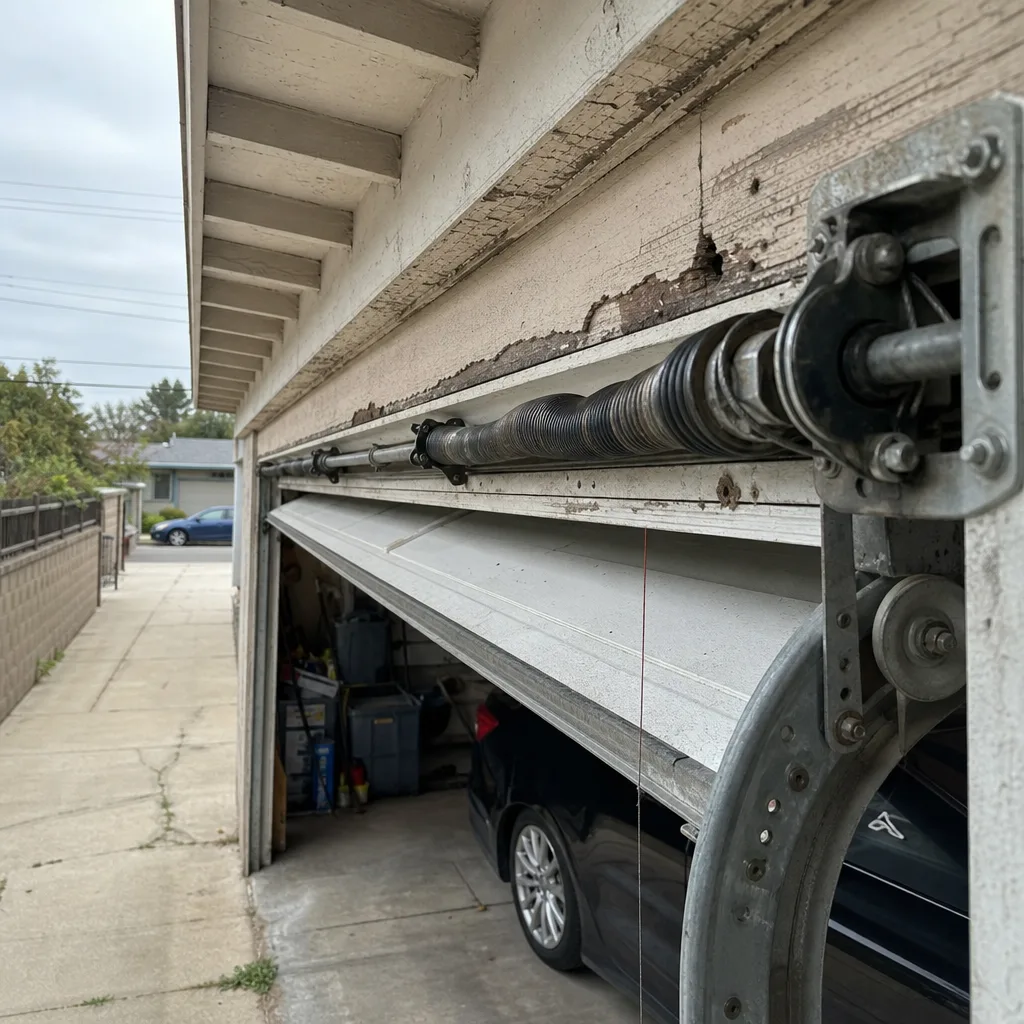 Before
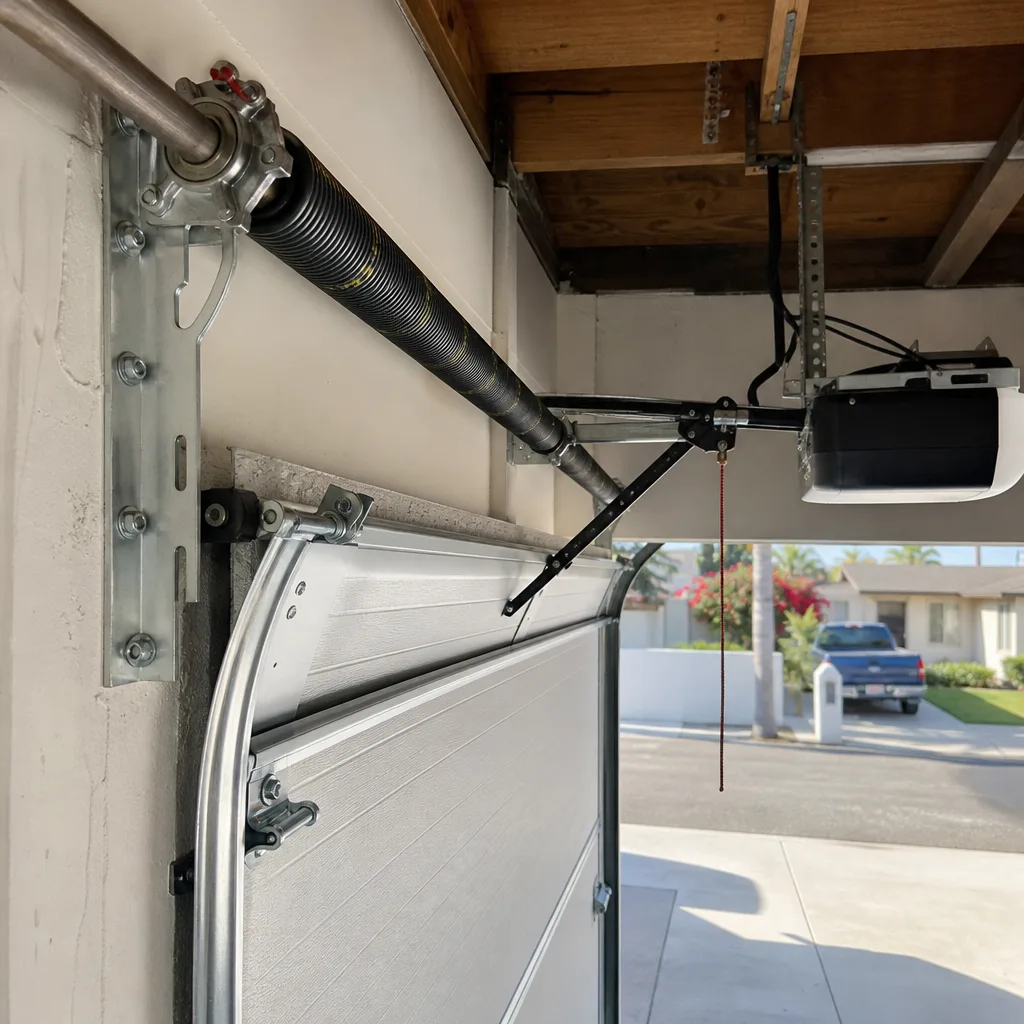 After
 Before
 After
 Before
 After